From Kitchen Scraps to Chronic: The Complete Guide to Composting for Cannabis
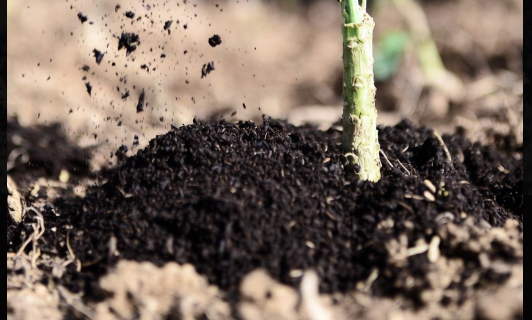
Walk into any serious grow room and you'll hear the same thing from the old heads and the new school cultivators alike: fire in, fire out. But what if I told you that some of the best "fire in" starts with banana peels, coffee grounds, and dead leaves you'd normally throw in the trash?
Composting for cannabis isn't some crunchy granola hippie shit. It's straight-up alchemy. You're taking waste and transforming it into living, breathing soil that will make your plants explode with growth and dump resin like never before.
Let's break down exactly how to make this work for your grow.
Why Compost Beats Bottled Nutes Every Time
Look, I get it. Those fancy bottles with the colorful labels look scientific. They promise exact measurements and quick results. But here's what they don't tell you about synthetic nutrients.
When you pour synthetic nutes into your soil, you're force-feeding your plants. It's like mainlining sugar water to an athlete. They'll grow, sure. But they won't be healthy. They won't be resilient. And they sure as hell won't express their full genetic potential.
Compost works different. Compost works smarter.
Compost is packed with everything your plants actually need. Nitrogen, phosphorus, potassium, calcium, magnesium, and every micronutrient on the periodic table. But here's the kicker. They're not available all at once. They're locked inside organic matter, waiting for soil life to unlock them.
This slow release means your plants get fed when they're hungry, not when you decide to water. No more nutrient burn. No more deficiencies. Just steady, consistent growth from seed to harvest.
But nutrients are only half the story. Compost transforms your soil structure. It acts like a sponge, holding moisture during dry spells while creating air pockets that roots absolutely fucking love. Your root zone becomes this massive, sprawling network instead of a tight little ball stuck in a pot.
Then there's the microbial magic. One teaspoon of good compost contains more living organisms than there are people on Earth. Bacteria, fungi, protozoa, nematodes. They're all in there working for you 24/7.
These microbes form partnerships with your roots. The roots exude sugars to feed the microbes, and the microbes return the favor by mining nutrients from the soil and delivering them directly to the plant. Some species even produce antibiotics that protect your plants from root rot and other diseases.
And here's the part that matters most for smokers. Studies have shown that cannabis grown in living soil with quality compost produces higher levels of cannabinoids and terpenes than plants fed synthetic nutrients. More THC. More CBD. More flavor. More smell. All from stuff you were throwing away.
The Three Ways to Make Gold from Garbage
You've got options when it comes to composting. Each method has its place depending on your space, your timeline, and how deep you want to go.
Standard Composting: The Traditional Way
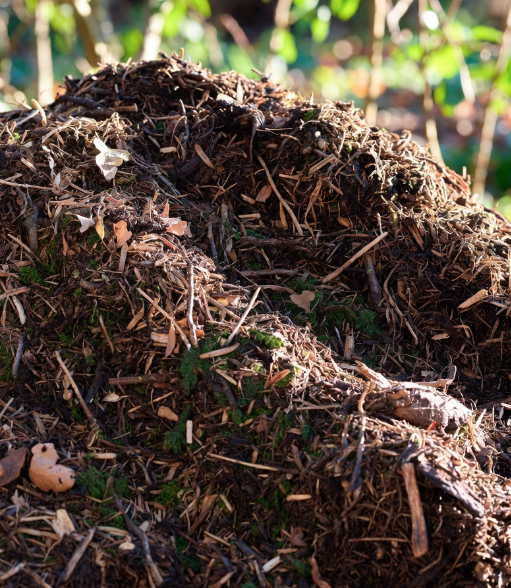
This is what most people picture when they think of compost. You build a pile, you turn it occasionally, and eventually you get dirt. Simple enough.
The science behind it is elegant. You need two types of materials. Greens and browns.
Greens are your nitrogen sources. Kitchen scraps, vegetable peelings, coffee grounds, fresh grass clippings. They're wet and they break down fast.
Browns are your carbon sources. Dried leaves, cardboard, paper, straw, wood chips. They're dry and they provide structure.
The magic happens when you mix them together. The ratio matters. Aim for about three parts browns to one part greens by volume. Too many greens and your pile turns into a stinking, slimy mess. Too many browns and nothing happens because there's not enough nitrogen to feed the decomposers.
You keep the pile moist like a wrung-out sponge and you turn it every week or two to add oxygen. The microbes go to work, the pile heats up, and within a few months you've got dark, crumbly compost that smells like a forest floor after rain.
This method works great if you've got outdoor space and you're producing compost in bulk. You can amend entire raised beds or mix it into large pots. It's low-tech and it's free.
Vermicomposting: Let the Worms Do the Work
Now we're talking about some next-level shit. Vermicomposting uses specific species of worms, usually red wigglers, to process your organic waste. These little guys are eating machines. They consume their body weight in food every single day.
What comes out the other end is worm castings. And worm castings are absolutely insane for cannabis.
Castings contain more nutrients than regular compost. They're coated in mucus that helps nutrients stick to soil particles instead of washing away. They're packed with plant growth hormones. And they're loaded with beneficial bacteria that passed through the worm's gut and came out the other side even more potent.
You can set up a worm bin anywhere. A plastic tote under your kitchen sink. A dedicated bin in your garage. A fancy stacked system on your porch. Feed them your vegetable scraps, coffee grounds, crushed eggshells, and shredded paper. Keep the bedding moist but not wet. And within a few months you'll have more castings than you know what to do with.
For cannabis specifically, worm castings are worth their weight in gold. Mix them into your seedling soil for a gentle nutrient boost. Top-dress your flowering plants to fatten up buds. Brew them into tea for a microbial explosion. However you use them, your plants will thank you.
Compost Tea: Liquid Gold
Speaking of tea. This is where things get really interesting.
Compost tea isn't actually tea. It's more like a microbial smoothie. You take high-quality compost or worm castings, put them in a mesh bag, and steep them in water with some kind of microbial food. Molasses works perfect. A tablespoon per gallon will feed the bacteria and fungi while they multiply.
Here's the pro move. Add an aquarium pump with an air stone. Bubbling air into the water keeps oxygen levels high, which favors the good microbes over the anaerobic ones that cause rot and disease. Let it brew for 24 to 48 hours and you'll have a liquid teaming with billions of beneficial organisms.
You can use this tea two ways. As a soil drench, it delivers a massive dose of microbes directly to the root zone. They'll colonize the soil and immediately start working for your plants. As a foliar spray, it coats the leaves with beneficial bacteria that outcompete pathogens and may even help with nutrient uptake through the leaf surface.
Just remember to use your tea quickly. Those microbes are alive and they need oxygen. If you let it sit around, it goes anaerobic and starts smelling like sewage. Fresh tea within a few hours of brewing is what you want.
Putting Compost to Work in Your Grow
Knowing how to make compost is one thing. Knowing how to use it effectively is another level entirely.
Before You Plant
This is where you set yourself up for success. Before you drop those seeds or clones into their final containers, mix compost directly into your growing medium.
For soil grows, aim for about 20 to 30 percent compost by volume. That means if you're filling a five-gallon pot, one to one and a half gallons should be high-quality compost or worm castings. The rest can be a base soil or soilless mix.
This pre-plant amendment creates a rich, living foundation. Your seedlings will have immediate access to nutrients without any risk of burning. The microbes will begin colonizing the root zone from day one. And the improved soil structure means better water retention and drainage right out the gate.
During the Grow
Plants get hungry as they grow. Especially during flowering when they're putting on weight and dumping resin. Top-dressing is how you feed them without disturbing the roots.
Every few weeks, scrape back the top inch of soil and add a fresh layer of compost or worm castings. Water it in gently and let the nutrients slowly filter down to the roots. This mimics what happens in nature. Organic matter falls on the soil surface, worms and microbes pull it down, and plants access the nutrients as they become available.
For heavy feeders or long-flowering strains, you might top-dress two or three times during the grow. Start light during vegetative growth and increase as the plants enter flower. They'll tell you what they need.
Regular Tea Applications
Make compost tea part of your watering schedule. Once a week during veg, twice a week during flower. Use it as a soil drench to keep microbial populations high and nutrients cycling.
For extra insurance against pests and diseases, spray the leaves with diluted tea once a week during early growth. The beneficial microbes coat the leaf surface and make it harder for powdery mildew and other pathogens to establish. Just stop spraying once buds start forming. Wet buds invite mold and nobody wants that.
Taking It Further
Once you've mastered the basics, you can level up your game with complementary techniques.
Cover crops planted in between cannabis cycles will fix nitrogen, prevent erosion, and provide habitat for beneficial insects. Clover is a classic choice. Buckwheat works great too. Chop them down before they go to seed and let them decompose right in the soil.
Mulch applied to the soil surface will retain moisture, moderate temperature, and feed soil life as it breaks down. Straw works great. Dried leaves work great. Even cardboard can work in a pinch. Just keep that soil covered and the microbes will thrive.
Crop rotation might sound like farm shit, but it applies to containers too. Don't grow cannabis in the same soil cycle after cycle without a break. Plant something different occasionally. Let the soil rest. The pathogens that target cannabis will die off without their host and your next run will be healthier.
What the Science Says
You don't have to take my word for this shit. Researchers have been studying compost in cannabis production and the results are impressive.
One study looked at different compost blends and found that plants grown with compost from specific sources actually matched the performance of synthetic fertilizers. The best blends produced plants with outstanding growth and higher levels of beneficial compounds. That's right. Compost alone can keep up with bottled nutrients when it comes to yield and potency.
Another study focused on root development. Plants grown with a mix of vermicompost, mushroom substrate, and manure showed significantly better root systems than plants grown in plain soil. Bigger roots mean bigger plants. It's that simple.
For growers who aren't ready to go fully organic, research supports a hybrid approach. Replacing half of your synthetic nitrogen with high-quality compost produced yields and potency just as good as full synthetic regimens. You get the benefits of organic soil building without completely abandoning the methods you're used to.
The takeaway is clear. Compost works. It works in any system, at any scale, with any strain. The science backs up what experienced growers have known for generations.
Final Thoughts
Composting for cannabis isn't complicated. It's not expensive. And it's not some mystical art that takes decades to master. It's just basic biology applied to growing the best possible product.
You take waste. You add air and moisture. You let life do its thing. And what comes out the other end is the foundation for the best weed you'll ever grow.
Your plants will be healthier. Your yields will be heavier. Your buds will smell stronger and taste better. And you'll have the satisfaction of knowing you built your soil from scratch using stuff that would have ended up in a landfill.
Start small if you need to. A worm bin under the sink. A pile in the corner of the yard. A five-gallon bucket with some holes drilled in it. However you start, just start. Your future harvests will thank you.
The best part about composting is that it keeps giving. Every cycle builds on the last. Your soil gets better. Your plants get better. Your final product gets better. And it all starts with banana peels and coffee grounds and stuff you were throwing away anyway.
That's the kind of closed loop that makes sense. That's how you grow fire while respecting the earth. That's the way.

