How Feminized Seeds Are Made
-

The Science of Feminized Seeds: A Comprehensive Guide to How Female-Only Cannabis Seeds Are Made
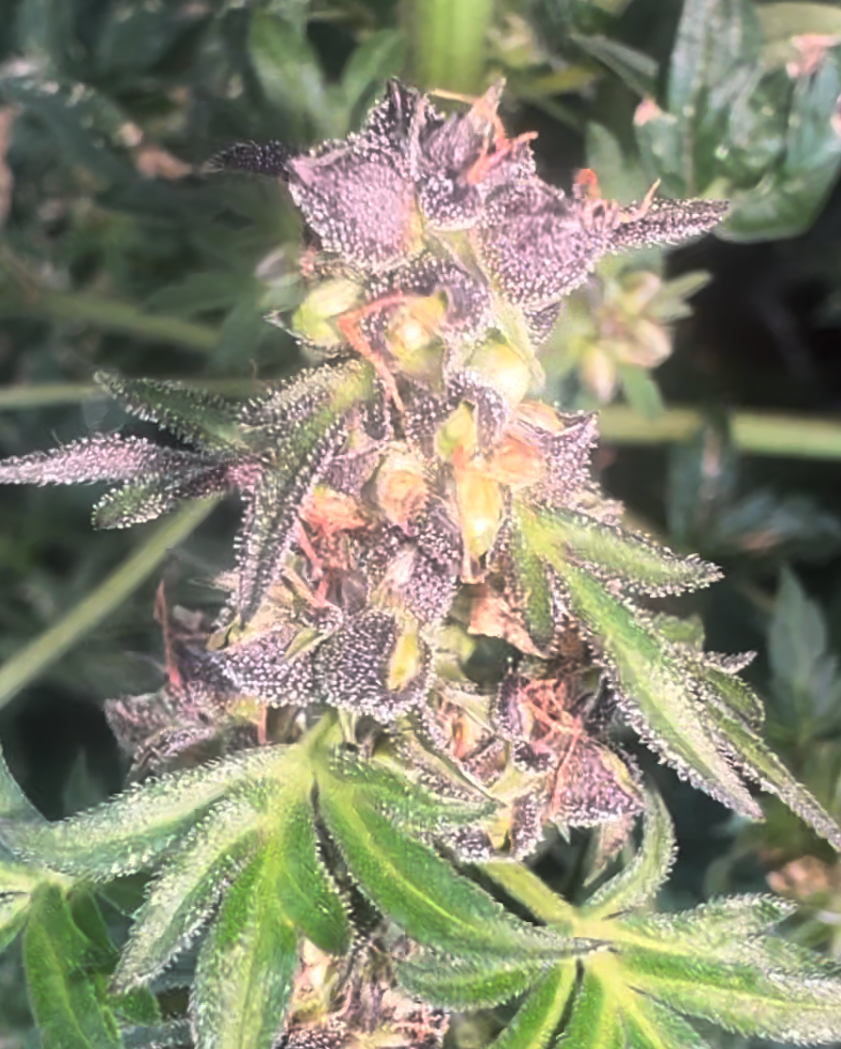
(Pictured: A reversed ABC Mutant Female producing both seeds and Feminized Pollen on One Bud)
For decades, cannabis cultivators faced a fundamental problem: approximately half of any given crop would be male plants, which produce no consumable buds and can pollinate females, ruining the harvest. Today, feminized seeds have revolutionized cultivation by eliminating this uncertainty, allowing growers to produce nearly 100% female plants . But how exactly are these specialized seeds created?
The process is fascinating—a blend of plant physiology, chemistry, and careful breeding techniques that essentially "trick" female plants into producing male pollen, which then creates female-only offspring.
Understanding the Basics: Why Feminized Seeds Matter
Before diving into production methods, it's important to understand why feminized seeds are so valuable. Cannabis is a dioecious plant, meaning individual plants are either male or female . Female plants produce the resinous flowers (buds) containing cannabinoids like THC and CBD, while male plants produce pollen sacs for reproduction.
For commercial growers and home cultivators alike, male plants are undesirable—they don't produce harvestable buds and, if left unchecked, will pollinate females. When pollination occurs, female plants divert energy from flower production to seed production, dramatically reducing quality and yield .
Feminized seeds solve this problem by guaranteeing—with over 99% reliability—that every seed will grow into a bud-producing female plant .
The Core Principle: Creating "Female Pollen"
The fundamental breakthrough behind feminized seeds is elegantly simple: pollen from a female plant contains only female (X) chromosomes.
Here's why this matters. In cannabis:
-
Female plants have XX sex chromosomes
-
Male plants have XY sex chromosomes
-
Regular seeds result from male pollen (X or Y) fertilizing female eggs (X), producing roughly 50% male (XY) and 50% female (XX)
If breeders can induce a female plant to produce pollen, that pollen will carry only X chromosomes. When used to fertilize another female plant, the resulting seeds will be exclusively female (XX) .
The challenge? Female plants don't naturally produce pollen. Breeders must chemically or environmentally "trick" them into doing so.
Method 1: Silver Thiosulfate (STS) - The Gold Standard
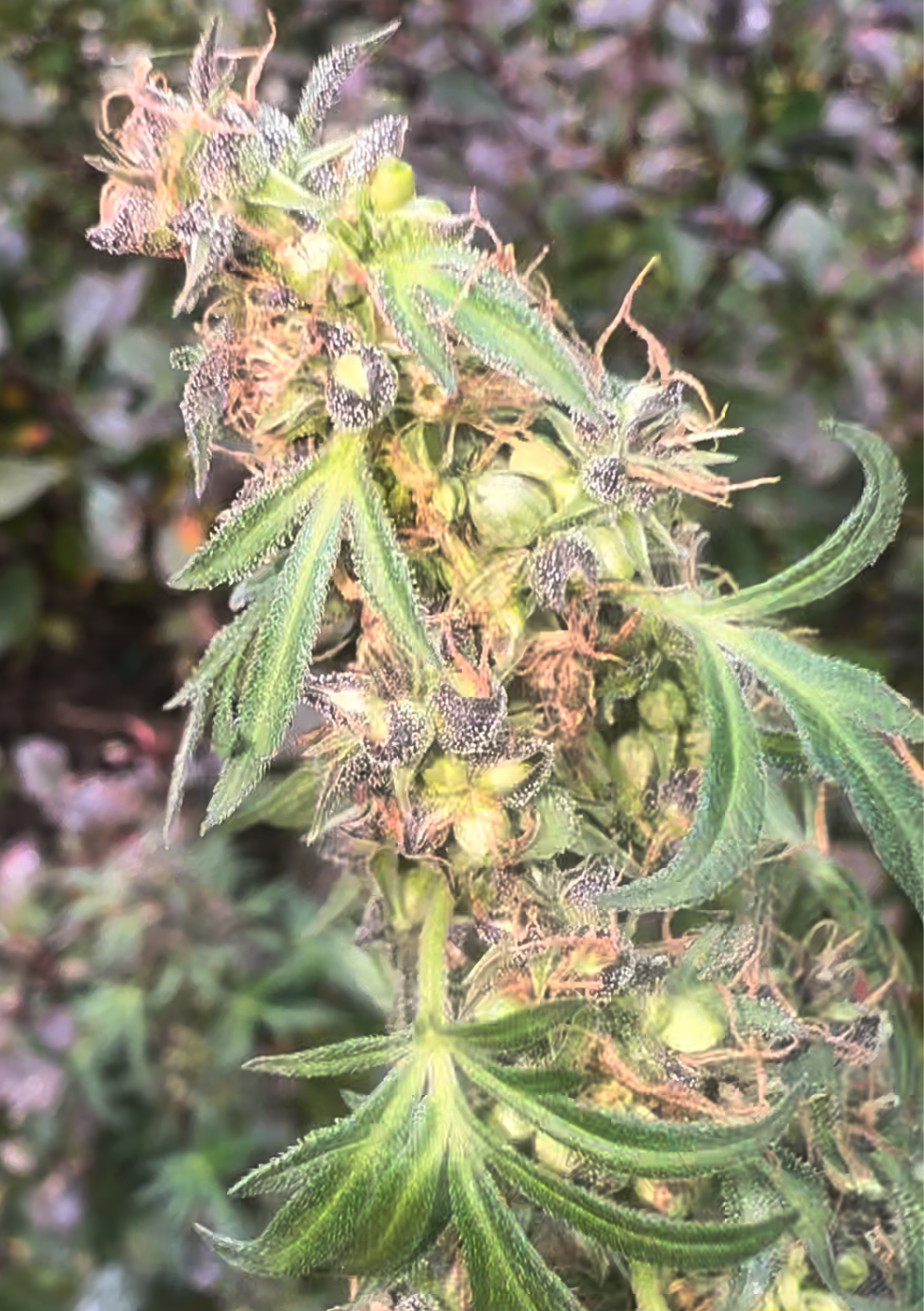
(Pictured: A Female ABC Mutant plant Treated with STS To produce seeds and feminized pollen)
Among professional breeders and researchers, silver thiosulfate (STS) is considered the most effective and reliable method for producing feminized seeds .
How STS Works
Silver thiosulfate is an ethylene inhibitor. Ethylene is a plant hormone that regulates flowering and fruit ripening—and crucially, it suppresses male flower development in female cannabis plants .
When STS is applied to a female plant, it blocks ethylene production. Without this hormonal suppression, the plant's genetic programming shifts, causing it to develop male pollen sacs (often called "nanners" due to their banana-like appearance) instead of female flowers .
The STS Application Protocol
According to optimized guidelines published in 2024, the most effective protocol involves:
-
Selecting a healthy female donor plant with desirable genetics
-
Applying a 3 mM STS solution during the vegetative growth stage, before flowering begins
-
Spraying the entire plant until solution runs off the leaves
-
Repeating the application once more approximately 5-7 days later
-
Switching the light cycle to 12 hours of light/12 hours of darkness to induce flowering
Research shows that spraying whole plants once is significantly more efficient than applying STS only to shoot tips .
Collecting and Using STS-Induced Pollen
Approximately 2-4 weeks after treatment, the treated female plant will develop male pollen sacs. When these sacs open, they release pollen that is genetically female (carrying only X chromosomes).
Breeders carefully collect this pollen and apply it to the flowers of a separate female plant (the "seed mother"). This second plant is never treated with STS—it remains fully female and will produce seeds as it would after normal pollination .
The resulting seeds are feminized, with a predicted female rate approaching 100%.
Method 2: Colloidal Silver - The Accessible Alternative
Colloidal silver offers a more accessible option for home growers, though research suggests it may be slightly less efficient than STS .
How It Compares
A 2021 scientific study published in Frontiers in Plant Science tested colloidal silver on high-CBD cannabis populations. The results showed that colloidal silver could produce up to 379 male flowers per plant—impressive numbers that confirm its effectiveness .
However, the same study found STS to be more efficient overall, requiring fewer applications and producing more consistent results.
Application Method
The colloidal silver process mirrors STS:
-
Purchase or prepare a colloidal silver solution (30-50 ppm is typical)
-
Spray selected female plants daily during the early flowering stage
-
Continue applications until male pollen sacs develop
-
Collect pollen and use it to pollinate untreated female plants
Commercially available products like Tiresias Mist use similar principles, providing ready-to-use feminization sprays for home growers .
Method 3: Rodelization - The Natural Approach
Rodelization (named after "Rodel," the grower who popularized it) takes advantage of female cannabis plants' survival instinct. Unlike chemical methods, this technique uses no sprays or treatments .
How Rodelization Works
When a female cannabis plant isn't pollinated late in its life cycle, it may develop male flowers as a last-ditch effort to reproduce. This stress response, triggered by extending the flowering period well beyond normal harvest time, produces female pollen .
The Process
-
Allow a female plant to flower 2-4 weeks longer than normal
-
Watch for "nanners" (male pollen sacs) emerging from female flowers
-
Collect the pollen or allow natural pollination
-
Harvest the resulting seeds
Limitations of Rodelization
While chemically simple, rodelization has significant drawbacks:
-
Lower yield of male flowers compared to STS or colloidal silver
-
Higher risk of hermaphroditism in offspring
-
Less control over timing and pollination
-
Stress to the mother plant that may affect seed quality
Most commercial breeders avoid rodelization in favor of chemical methods, though some small-scale growers appreciate its "natural" approach.
Method 4: Gibberellic Acid (GA3) - The Hormone Alternative
Gibberellic acid is a plant growth hormone that can also induce male flower production. However, research suggests it is less effective than silver-based methods .
A 2021 study found that spraying cannabis plants with 0.01% gibberellic acid, combined with intensive cutting, was "ineffective in stimulating the production of male flowers" . For this reason, GA3 is rarely used in professional feminized seed production.
The Complete Feminized Seed Production Workflow
Professional breeders follow a systematic process to ensure high-quality feminized seeds:
Step 1: Genetic Selection
Breeders select elite female plants with desirable traits: potency, yield, disease resistance, terpene profile, and growth characteristics. The chosen plants must be genetically stable with no hermaphrodite tendencies .
Step 2: Creating the Pollen Donor
One or more selected females receive STS treatment (or occasionally colloidal silver) to induce male flower development. These plants are isolated to prevent accidental pollen spread .
Step 3: Preparing Seed Mothers
A separate group of untreated female plants is prepared for seed production. These plants should have complementary genetics to the pollen donor, creating hybrid vigor in the offspring.
Step 4: Pollination
When the donor plant's pollen sacs mature, breeders collect the pollen (often using collection bags or careful brushing) and apply it to the seed mothers' flowers. Timing is critical—pollination must occur when female flowers are most receptive.
Step 5: Seed Development
After pollination, seed mothers continue flowering for 4-6 weeks as seeds mature. During this time, the plants redirect energy from resin production to seed development .
Step 6: Harvest and Testing
Mature seeds are harvested, dried, and tested for:
-
Germination rate (viability)
-
Female ratio (typically 99%+)
-
Genetic stability (lack of hermaphrodite traits)
Step 7: Quality Control
Progeny plants should be assessed and compared with parent plants to monitor for inbreeding depression or declining performance .
Scientific Validation: Proof That It Works
The effectiveness of these methods isn't just anecdotal—rigorous scientific research confirms it. The 2021 Frontiers in Plant Science study validated STS and colloidal silver methods using multiple tests:
-
FDA staining to confirm pollen grain viability
-
In vitro and in vivo germination tests of induced pollen
-
Seed counting after controlled crosses
The study also demonstrated practical breeding applications: feminized seeds produced progeny with more uniform and higher CBD-to-THC ratios (averaging 21.33:1) compared to the original parent population (averaging 7.83:1) .
Potential Risks and Ethical Considerations
While feminized seeds offer tremendous benefits, responsible breeders acknowledge their limitations:
Genetic Diversity Concerns
Repeated use of feminized seeds from limited genetics can reduce genetic diversity within cannabis populations, potentially making crops more vulnerable to pests or diseases .
Hermaphrodite Risk
Some feminized lines may retain tendencies toward hermaphroditism, especially if produced from genetically unstable parents or using stress-based methods like rodelization .
Environmental Considerations
The silver compounds used in STS and colloidal silver production have environmental implications if not handled properly. Responsible breeders use these chemicals sparingly and dispose of waste appropriately.
Conclusion: A Technology That Transformed Cultivation
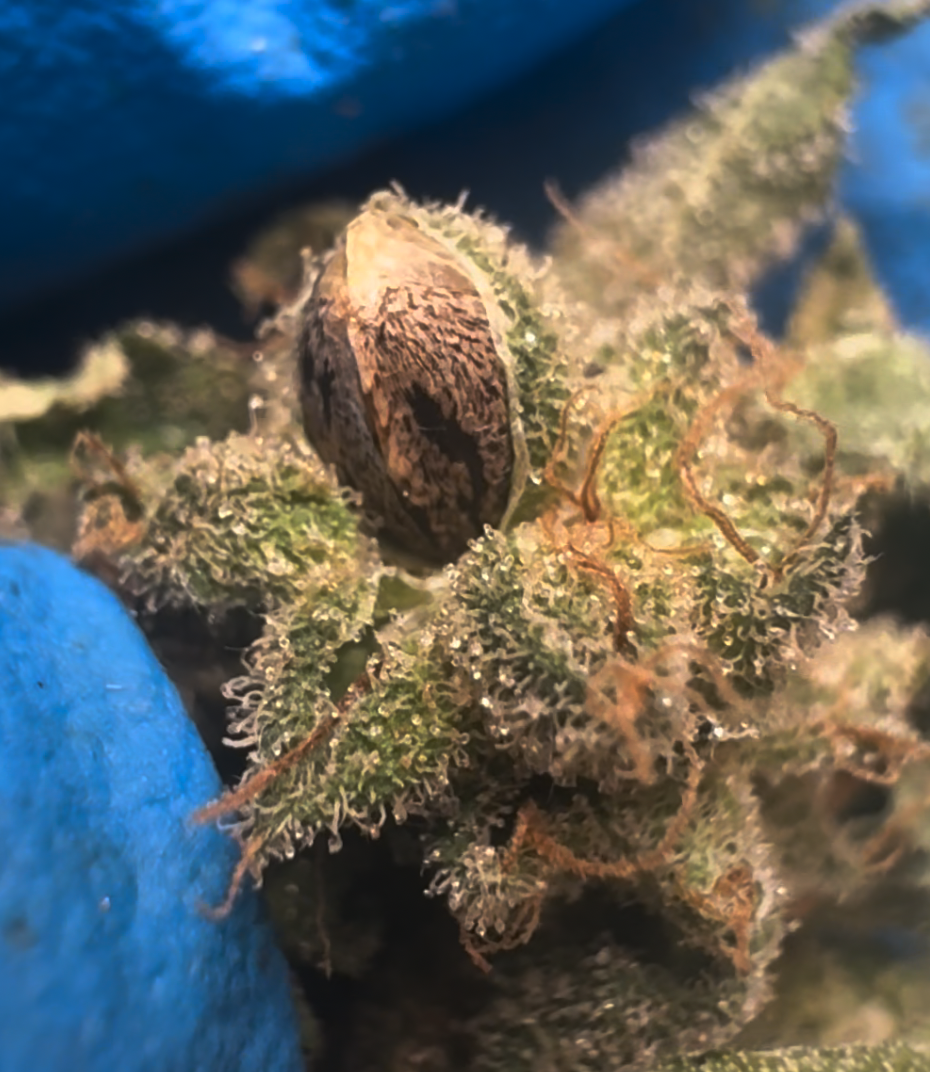
(Pictured: A Fem Seed Produced with Feminized Pollen cross of two female plants)
The ability to produce feminized seeds represents one of the most significant advances in cannabis cultivation history. By understanding plant sex determination and manipulating hormone pathways with silver thiosulfate or colloidal silver, breeders can reliably produce seeds that grow into nearly 100% female plants.
For growers, this means predictable harvests, simplified cultivation, and the ability to focus resources on producing quality buds rather than identifying and removing male plants . As research continues, protocols will likely become even more efficient and accessible, further revolutionizing cannabis agriculture.
Whether you're a commercial breeder producing thousands of seeds or a home grower experimenting with colloidal silver on a single branch, the underlying science remains the same: female pollen makes female seeds, and modern techniques make that possible with remarkable reliability.
◆ Mentioned in this thread
Matched from the thread text -
