How Native American Tribes Are Building Their Own Cannabis Markets
In 2015, the Flandreau Santee Sioux Tribe in South Dakota broke ground on what it hoped would become the first cannabis resort on tribal land, complete with a lounge, live music, and a dispensary — years before neighboring states had even legalized recreational sales. The project stalled almost as fast as it started, but it put a question on the table that tribes across the country are still working through: what does it actually mean to run a cannabis business under tribal sovereignty rather than state law?
Since then, dozens of federally recognized tribes have moved into cultivation, processing, and retail, some cautiously and some aggressively, using their unique legal status to build supply chains that look nothing like a typical state-licensed operation. It's not a uniform movement. Each tribe is making its own calculation about federal risk, state relations, and what cannabis means for a community's economy and its land.
The Legal Gray Zone Tribes Are Operating In
Photo by Kindel Media via Pexels.
Federally recognized tribes occupy a strange middle position in American law. They're sovereign nations with their own governments and courts, but their land sits inside states that may have entirely different cannabis rules, and cannabis remains a Schedule I substance under the federal Controlled Substances Act regardless of what a tribe or state decides. The 2013 Cole Memo, and a related 2014 Department of Justice guidance letter aimed specifically at Indian country, signaled that federal prosecutors would generally not prioritize enforcement against tribal cannabis operations that respected certain priorities, like keeping cannabis away from minors and organized crime. That guidance was rescinded in 2018 under Attorney General Jeff Sessions, but in practice, federal enforcement against tribal cannabis programs has stayed limited.
The upshot is that a tribe can legalize cannabis on its own reservation through tribal ordinance even if the surrounding state hasn't, as the Flandreau Santee Sioux tried to do in South Dakota. But tribes still can't ship product across state lines or sell to non-tribal retailers outside their jurisdiction without running into federal interstate commerce law. So most tribal cannabis economies are built to serve tribal members and, where allowed, the general public visiting reservation land — not to become interstate exporters.
Building Licensing Systems From Scratch
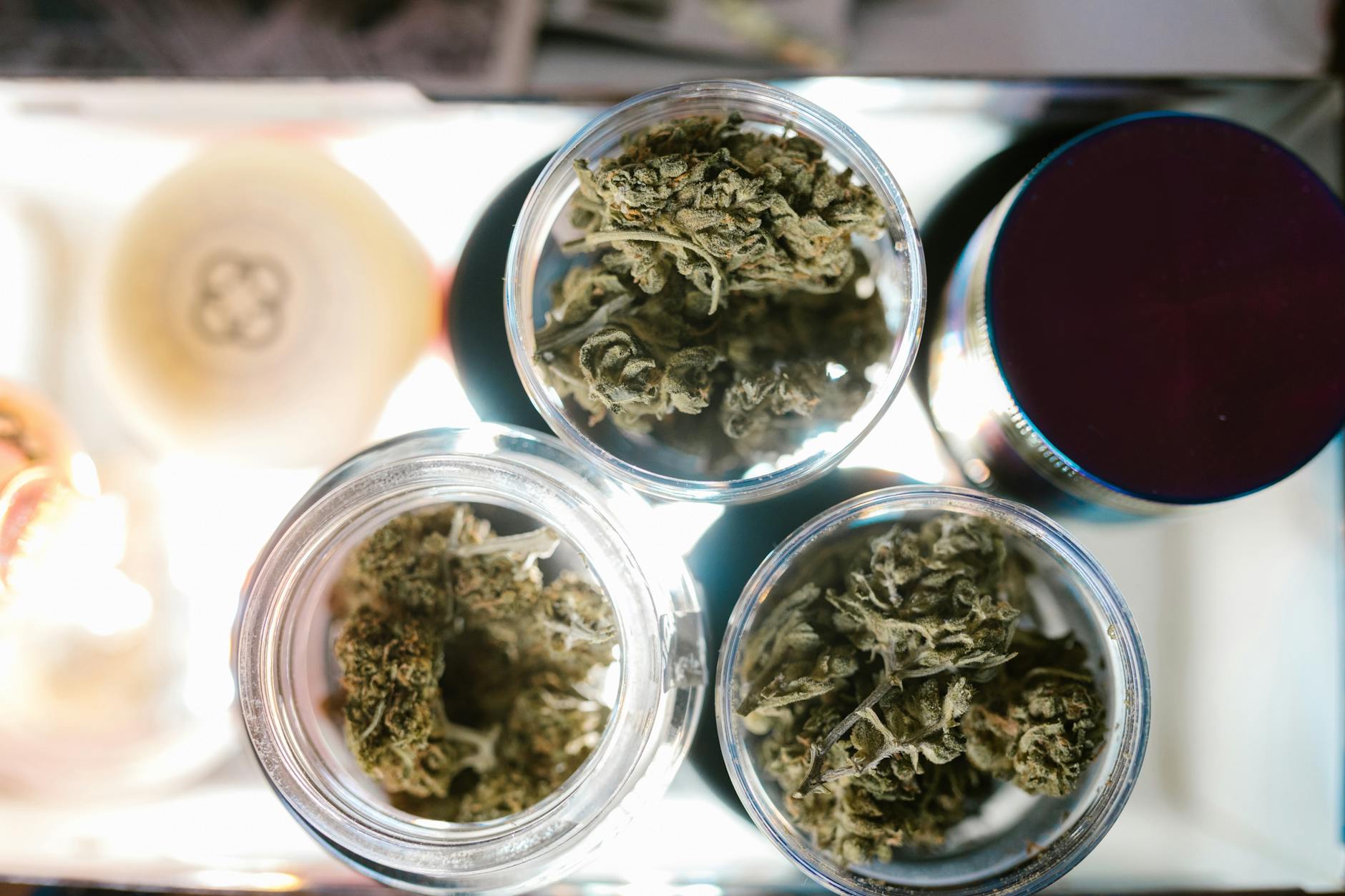
Photo by RDNE Stock project via Pexels.
Unlike a state cannabis regulator adapting existing alcohol or pharmacy licensing frameworks, many tribes have had to write cannabis law from zero. The Suquamish Tribe in Washington state took a different route: it negotiated a formal compact with the Washington State Liquor and Cannabis Board in 2015, becoming the first tribe in the country to strike such a deal. Under that compact, the tribe operates Agate Dreams, a retail dispensary near Poulsbo on the Port Madison Indian Reservation, following a regulatory structure that mirrors state rules on testing and packaging while keeping tax revenue and licensing authority with the tribe.
Other tribes have gone the fully independent route, writing tribal cannabis codes that set their own cultivation limits, testing standards, and business licensing procedures without a state compact at all. The Pinoleville Pomo Nation in Mendocino County, California, and the Santee Sioux in Nebraska have each experimented with tribal-only regulatory models at different points, with mixed commercial results. Building a functioning seed-to-sale tracking system, lab-testing infrastructure, and enforcement staff from scratch is expensive, and smaller tribes without large gaming revenues to draw on have sometimes found the startup costs harder to absorb than expected.
Cannabis as Economic Diversification Beyond Gaming
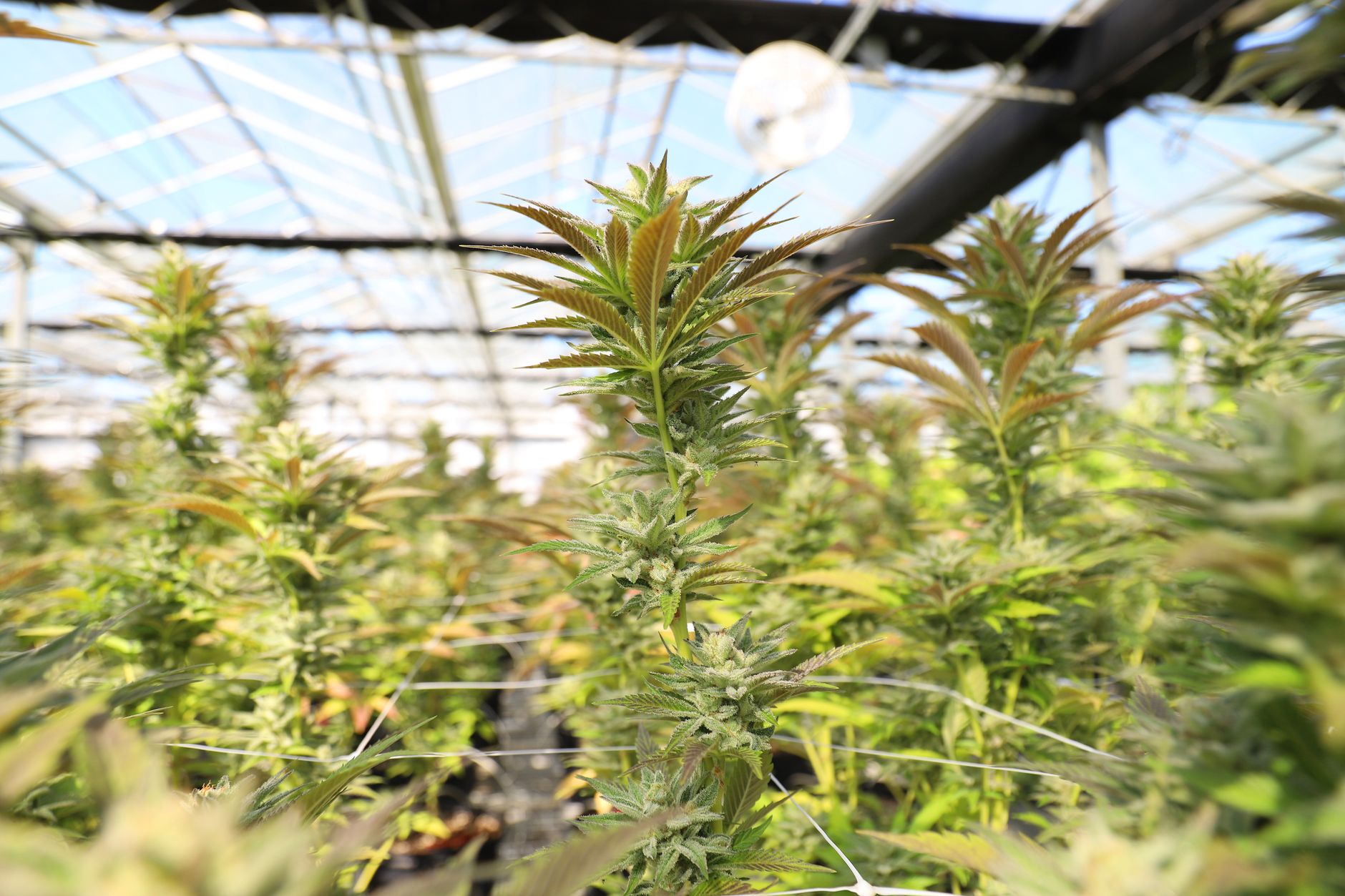
Photo by Cannafornia via Pexels.
For tribes that built economies around casinos after the Indian Gaming Regulatory Act of 1988, cannabis represents something gaming increasingly isn't: a growth market. Tribal gaming revenue nationally has plateaued in many regions as state-run and commercial casinos multiply and compete for the same customers. Cannabis, by contrast, is still expanding into new state markets every year, and tribes with existing retail infrastructure, security systems, and hospitality experience from casino operations are often well positioned to pivot.
The Yurok Tribe in Northern California, the St. Regis Mohawk Tribe in New York, and several Oklahoma tribes have all explored cannabis cultivation or retail as a way to diversify beyond both gaming and, in some cases, resource extraction or agriculture that federal policy has made harder to sustain. For tribes located near state borders where cannabis remains illegal on one side, a reservation dispensary can capture demand that would otherwise drive hours to the nearest legal state, similar to how some tribes have used their sovereign status to sell tobacco or fireworks tax-free for decades.
Not Every Tribe Is on Board

Photo by Stephane LEGRAND via Pexels.
Sovereignty cuts both ways — it also means a tribe can flatly reject cannabis, and many have. The Navajo Nation, spanning parts of Arizona, New Mexico, and Utah, has kept cannabis illegal under tribal law even as all three surrounding states have legalized medical or recreational use, and tribal police have made enforcement actions against unauthorized grows on Navajo land, including large unlicensed hemp and cannabis operations tied to outside investors that drew law enforcement attention in the late 2010s. Tribal councils on reservations from the Great Plains to the Southwest have voted down cannabis proposals over concerns ranging from substance abuse in communities already dealing with addiction crises to disagreements over whether commercial cannabis fits with tribal cultural values.
That divide often runs along generational and religious lines within a single tribe, the same way it plays out in non-Native communities. There's no single Native American position on cannabis any more than there's a single American one — each tribal government answers to its own citizens, and plenty of them have looked at neighboring tribes' cannabis ventures and decided it isn't worth the internal friction.
Hemp, Not Just High-THC Cannabis
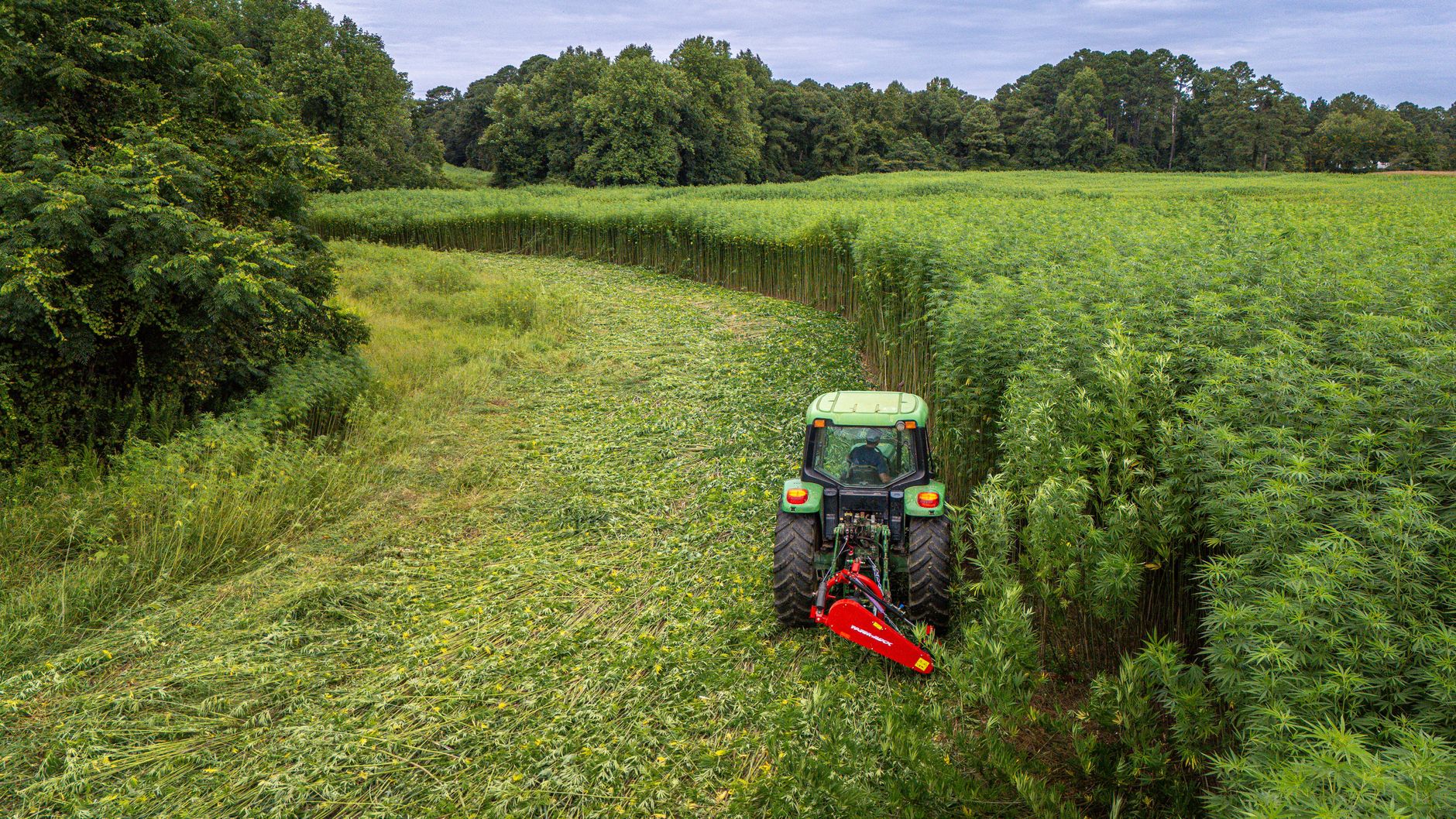
Photo by Mark Stebnicki via Pexels.
The 2018 Farm Bill's federal legalization of hemp opened a parallel track that's drawn in tribes wary of the legal murkiness around THC. The Pinoleville Pomo Nation and the Oglala Sioux on the Pine Ridge Reservation in South Dakota have both worked on hemp cultivation programs, treating it as an agricultural crop rather than a controlled substance, with USDA hemp production plans that tribes can submit directly to the federal government rather than going through a state agency. That direct-to-USDA pathway is one of the clearer, less contested lanes tribes have for federal engagement on cannabis-adjacent crops.
Hemp fiber and seed also connect to older agricultural practices for some Plains and Southwestern tribes, though it's worth being precise here: hemp is not a traditional or ceremonial plant for Native nations the way tobacco or sage is, and tribes pursuing hemp programs are generally doing so as a modern economic decision rather than a revival of ancestral practice. The interest is practical — a rotation crop, a manufacturing input, a hedge against volatile cannabis flower prices — not a cultural claim.
What's emerging isn't a single "tribal cannabis industry" so much as dozens of separate experiments running in parallel, each shaped by a specific tribe's land base, gaming history, relationship with its surrounding state, and internal politics. Some, like the Suquamish, found a workable compact model. Others, like Flandreau, learned the hard way how fast federal ambiguity can sink a project. Still others have simply said no and meant it.
The through-line is sovereignty itself — the fact that a tribal government gets to make this call independently, for better or worse, rather than waiting on a state legislature or a federal rescheduling decision that may or may not ever come. Laws around tribal cannabis compacts and federal enforcement priorities shift with each administration, so anyone looking at a specific reservation's rules should check directly with that tribe's government rather than assume a neighboring state's laws apply.
Photo by Erik Mclean via Pexels.