Jamaica's Ganja Lodges: Legal Cannabis Tourism, With Limits
A tourist stepping off a resort shuttle in Westmoreland or Negril might reasonably assume that Jamaica, birthplace of Bob Marley and reggae's ganja-soaked mythology, is a place where cannabis is simply legal. It isn't, not in the way that assumption suggests. What Jamaica has built instead is a narrower, more bureaucratic thing: a system of licensed "ganja lodges" and cannabis tourism operators where visitors can legally consume cannabis on approved premises, while carrying a joint down the street or lighting up on a public beach remains a chargeable offense.
The gap between the island's cannabis reputation and its cannabis law is exactly where the licensing system lives, and understanding that gap matters for anyone planning a trip based on stereotype rather than statute.
What the 2015 Law Actually Changed

Photo by MART PRODUCTION via Pexels.
Jamaica's Dangerous Drugs Act was amended in 2015, decriminalizing possession of up to two ounces of cannabis for personal use. That amendment made possession a ticketable, non-arrestable offense rather than a criminal one, and it created a licit medical and therapeutic cannabis sector overseen by the Cannabis Licensing Authority (CLA), established that same year. It also carved out a specific religious exemption for Rastafari practitioners, recognizing sacramental use tied to the faith's decades-long relationship with the plant.
Crucially, none of this created a recreational retail market. There's no Jamaican equivalent of a Colorado dispensary where a tourist walks in and buys pre-rolls off a shelf for pleasure alone. Cannabis remains, on paper, tightly regulated -- cultivation, processing, and sale all require CLA licensing, and the categories of licenses are specific: cultivator, processor, retailer, transporter, and a distinct tourism-oriented category that eventually produced the ganja lodge concept.
The Ganja Lodge Concept
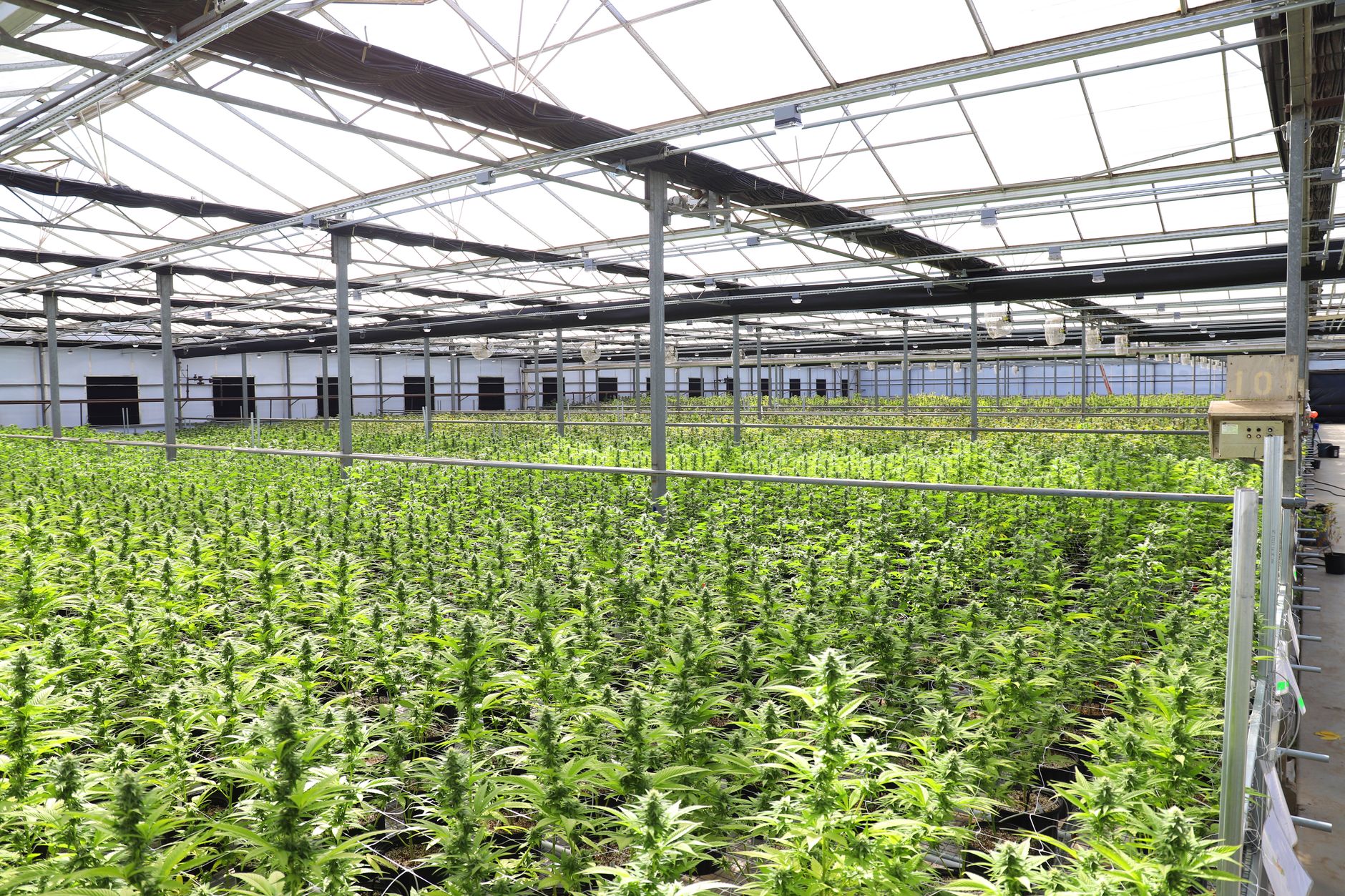
Photo by Cannafornia via Pexels.
A ganja lodge, under Jamaica's regulatory framework, is licensed accommodation or hospitality space -- a guesthouse, a farm-stay cottage, a designated tour venue -- where cannabis use and sometimes small-scale sale to registered visitors is permitted on-site. The CLA introduced provisions allowing tourists to register at points of entry, such as airports, obtaining something like a temporary authorization that lets them purchase limited quantities of cannabis for personal use during their stay and consume it at licensed premises.
In practice, the lodge model looks less like a nightclub and more like an agritourism operation: a handful of licensed farms in parishes like St. Ann and Westmoreland offer tours, cannabis-infused meals, and consumption lounges where guests can smoke or vape without risk of the ticketing that applies elsewhere. Some operators pair this with wellness branding -- yoga sessions, herbal treatments -- leaning into the medical and therapeutic framing that gives the whole system its legal cover, rather than marketing straightforwardly as a recreational free-for-all.
Where the Limits Bite
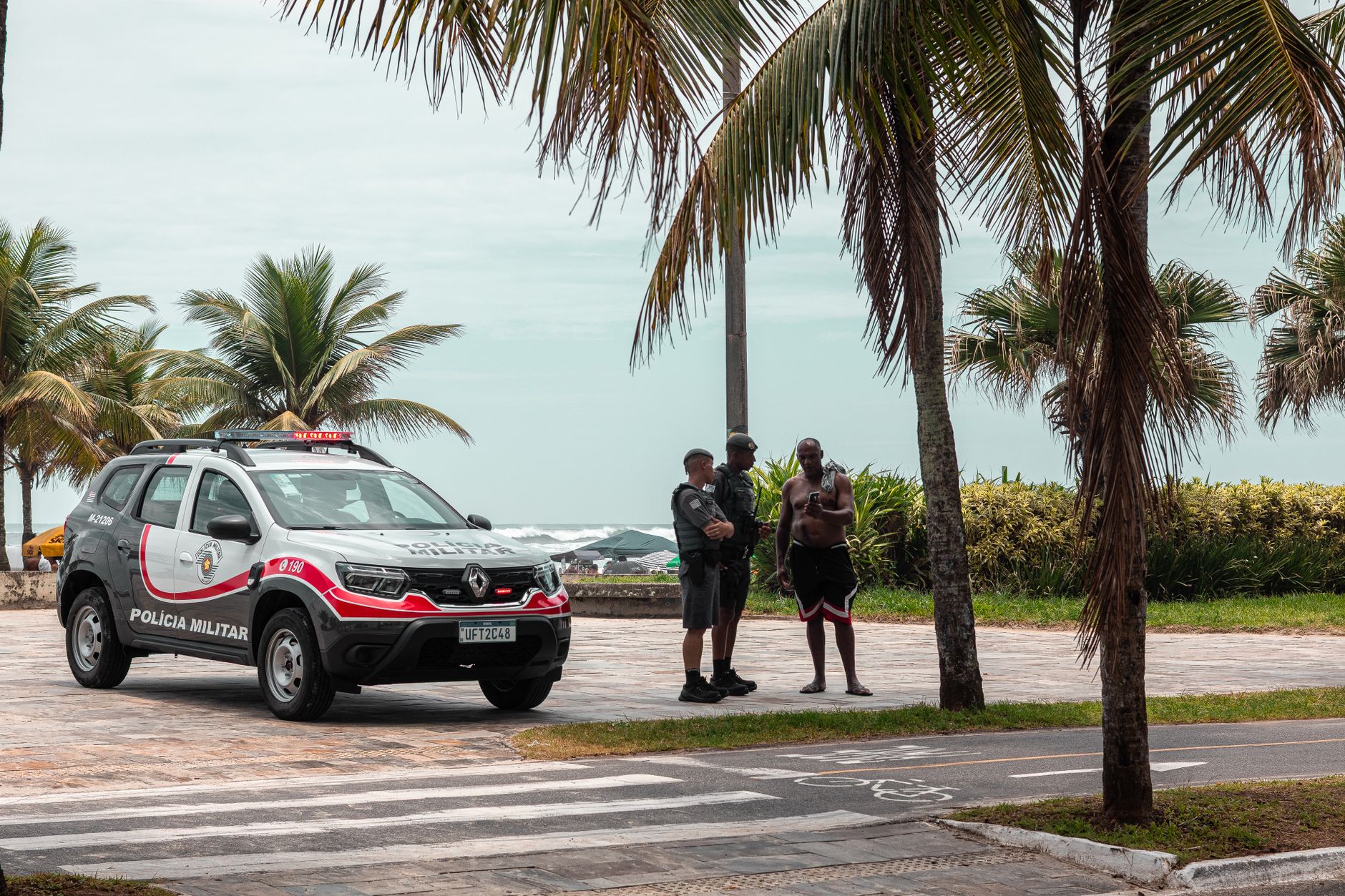
Photo by Juan Pablo Daniel via Pexels.
The friction shows up the moment a tourist leaves the licensed venue. Public consumption -- on a beach, in a resort courtyard, walking through Montego Bay -- is still an offense that police can and do ticket, and in some circumstances arrest for, particularly if the amount exceeds the two-ounce decriminalized threshold or if there's aggravating conduct involved. Airport security and customs treat cannabis exiting the country as a serious matter; taking Jamaican cannabis home, even a small personal amount, risks a drug trafficking charge under Jamaican law and potential prosecution in the destination country.
There's also a licensing bottleneck on the supply side. The CLA has issued a comparatively small number of active cultivator and retail licenses relative to demand, and the approval process -- background checks, security plans, facility inspections -- takes months. That means the ganja lodge sector, while legally sound, is small and geographically scattered rather than a ubiquitous tourist amenity. A visitor expecting cannabis cafes on every corner of Kingston or Ocho Rios will be disappointed; the legal lodges that do exist are often boutique operations requiring advance booking.
Rastafari, Sacrament, and the Roots of the Rules
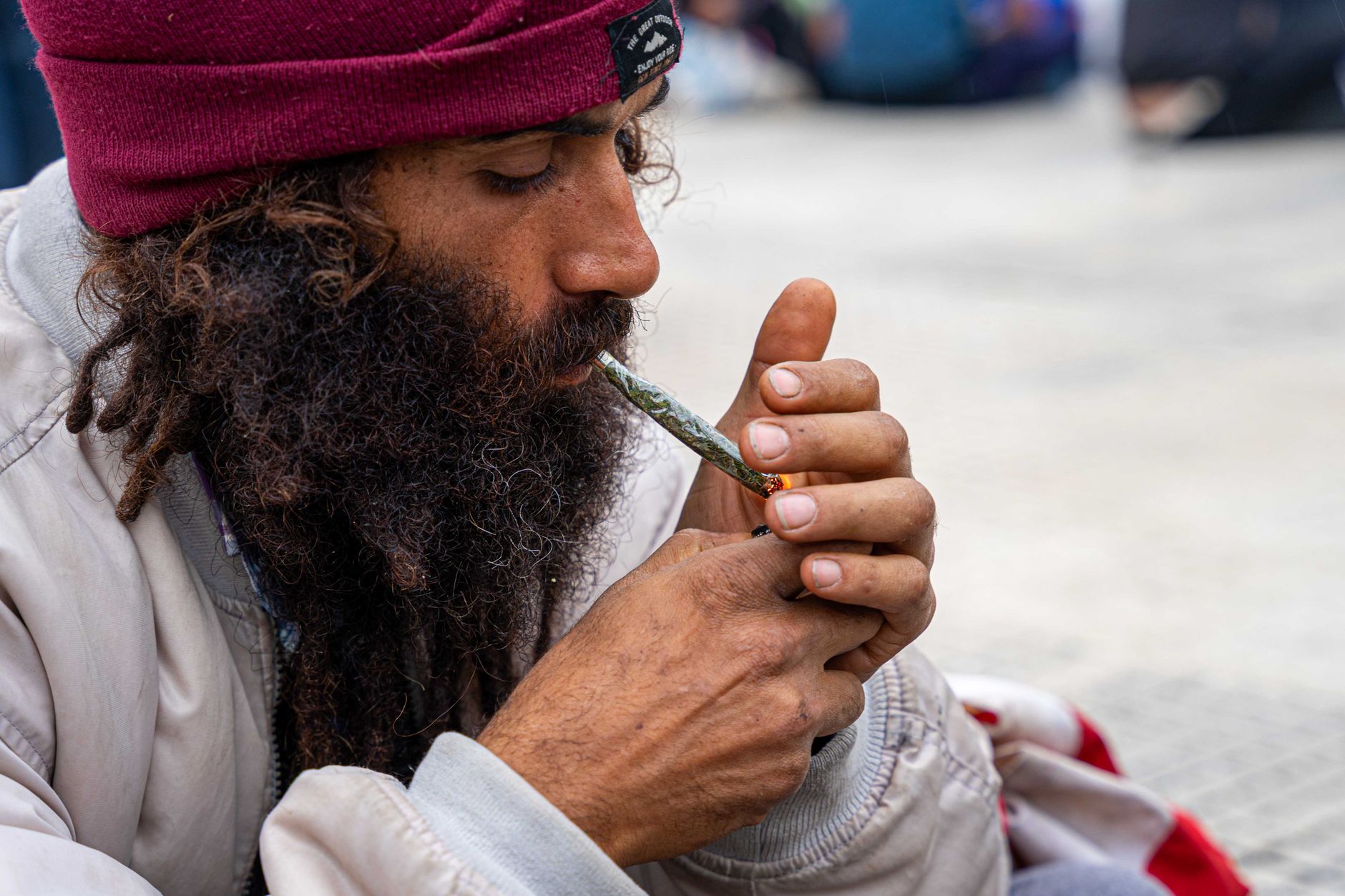
Photo by Juan Moccagatta via Pexels.
The religious exemption written into the 2015 law didn't appear from nowhere -- it responded to decades of advocacy by Rastafari communities, particularly around Nine Mile and the Bobo Ashanti and Twelve Tribes of Israel branches of the faith, who have used ganja as sacrament in reasoning sessions and religious ceremony since the movement's emergence in the 1930s. For much of the 20th century, that use was criminalized under colonial-era drug law inherited from British rule, putting Rastafari practitioners in direct legal jeopardy for practices central to their faith.
The 2015 amendment gave that use formal legal recognition for the first time, a shift many in the community had sought for generations. But the exemption is specifically religious and sacramental in framing -- it was never designed as a backdoor to general recreational tourism, and Rastafari elders have at times pushed back publicly against cannabis tourism marketing that borrows Rastafari imagery -- lion motifs, red-gold-green branding -- while treating the plant purely as a consumer product stripped of its religious context.
A System Built for Caution, Not Expansion

Photo by Kemoi Brown via Unsplash.
Jamaican officials have been fairly candid that the current framework is deliberately conservative. The government has floated further reform over the years -- broader recreational legalization has been discussed in Parliament and by the CLA's leadership -- but movement has been slow, partly out of concern about international drug treaty obligations Jamaica is party to, and partly out of caution about how a fully open cannabis tourism market might interact with the island's existing informal ganja economy, which long predates any licensing regime and remains largely untaxed and unregulated outside the CLA system.
That informal economy is worth naming plainly: much of the cannabis grown and sold in Jamaica, including plenty that ends up in tourists' hands through unofficial channels, sits entirely outside the licensed system. Buying from an unlicensed seller carries real legal risk that a lodge transaction doesn't, even if the practical difference is invisible to a first-time visitor.
Jamaica's ganja lodges represent a genuinely workable compromise for a country trying to reconcile a globally famous cannabis reputation with its actual treaty commitments and domestic politics -- but "compromise" is the operative word, not "liberalization." The system gives tourists a legal, low-risk way to consume cannabis without pretending the island has thrown open the doors to a Amsterdam- or Denver-style market.
Anyone planning to test that reputation firsthand should book a licensed operator, keep consumption on-site, and leave the departure-lounge souvenir at home. The law rewards precision here, not assumption.
Photo by Nigel SB Photography via Unsplash.