Portugal's Decriminalization Model, 25 Years Later
Walk through Lisbon's Intendente neighborhood and you won't see cannabis for sale in any legal shop, because Portugal never legalized the drug. What it did, back in 2001, was stop treating people who possess small amounts of any drug -- cannabis included -- as criminals. That distinction gets flattened constantly in international coverage, usually into some version of "Portugal legalized drugs," which isn't accurate and misses what actually makes the model interesting.
Two decades on, the law is still in effect, still studied by policymakers from Oregon to Norway, and still widely misunderstood. Here's what it actually covers, how it functions day to day, and where its limits are.
The Law Itself: Decriminalization, Not Legalization
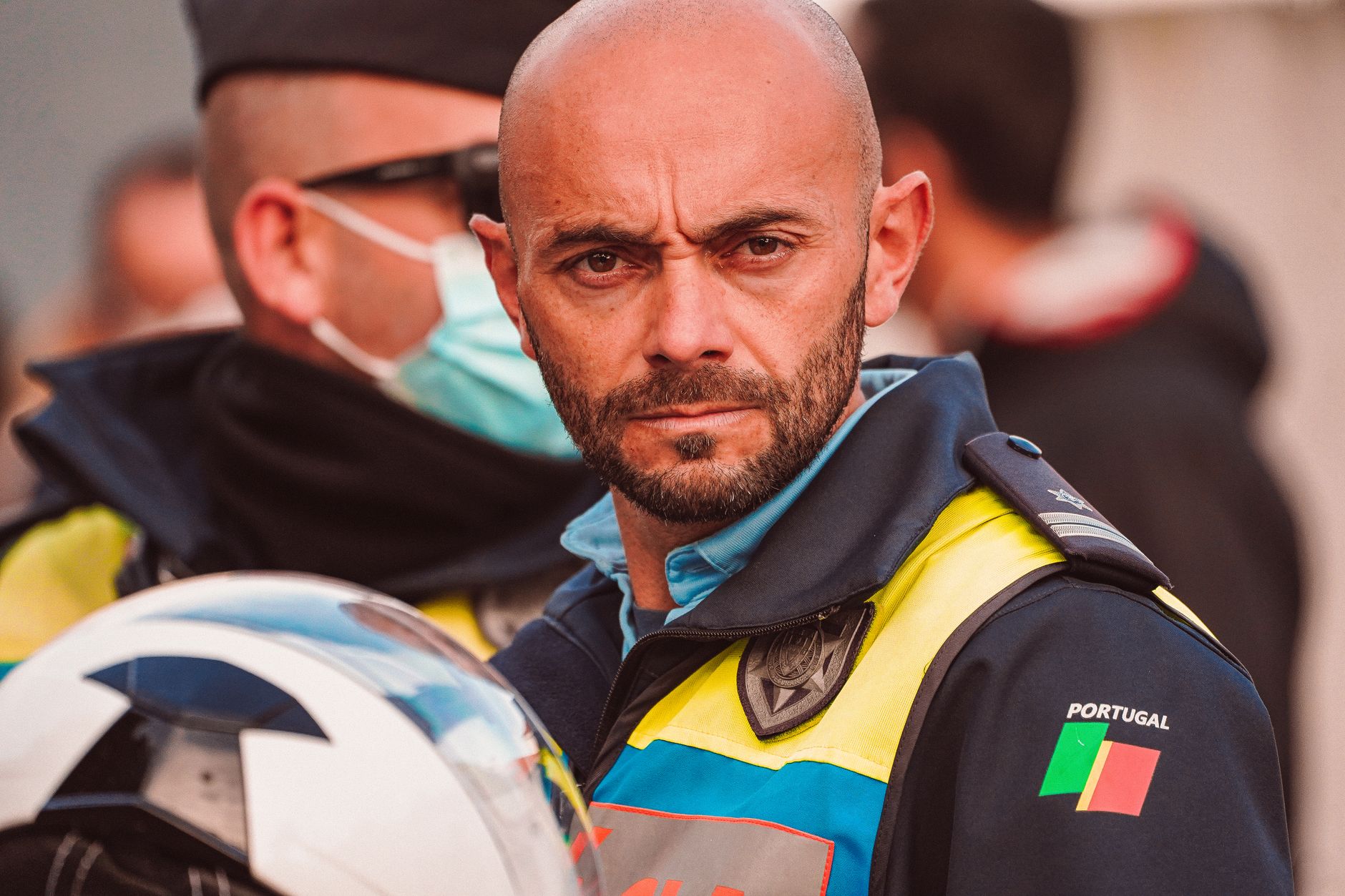
Photo by RUN 4 FFWPU via Pexels.
Portugal's Law 30/2000, which took effect in July 2001, removed criminal penalties for possessing drugs for personal use, up to a quantity set at roughly a 10-day supply for the individual user. For cannabis, that threshold has generally been interpreted as around 25 grams of herb or 5 grams of resin, though exact figures have shifted slightly over the years and are worth verifying against current Portuguese health ministry guidance rather than assuming they're fixed.
Possession above that threshold, and any cultivation, production, or sale, remains a criminal matter handled by police and courts like anywhere else in Portugal. Trafficking charges carry real prison sentences. The law didn't touch the supply side at all -- it's purely about what happens to the person caught with drugs for their own consumption.
Where the Cases Actually Go: The 'Dissuasion Commissions'
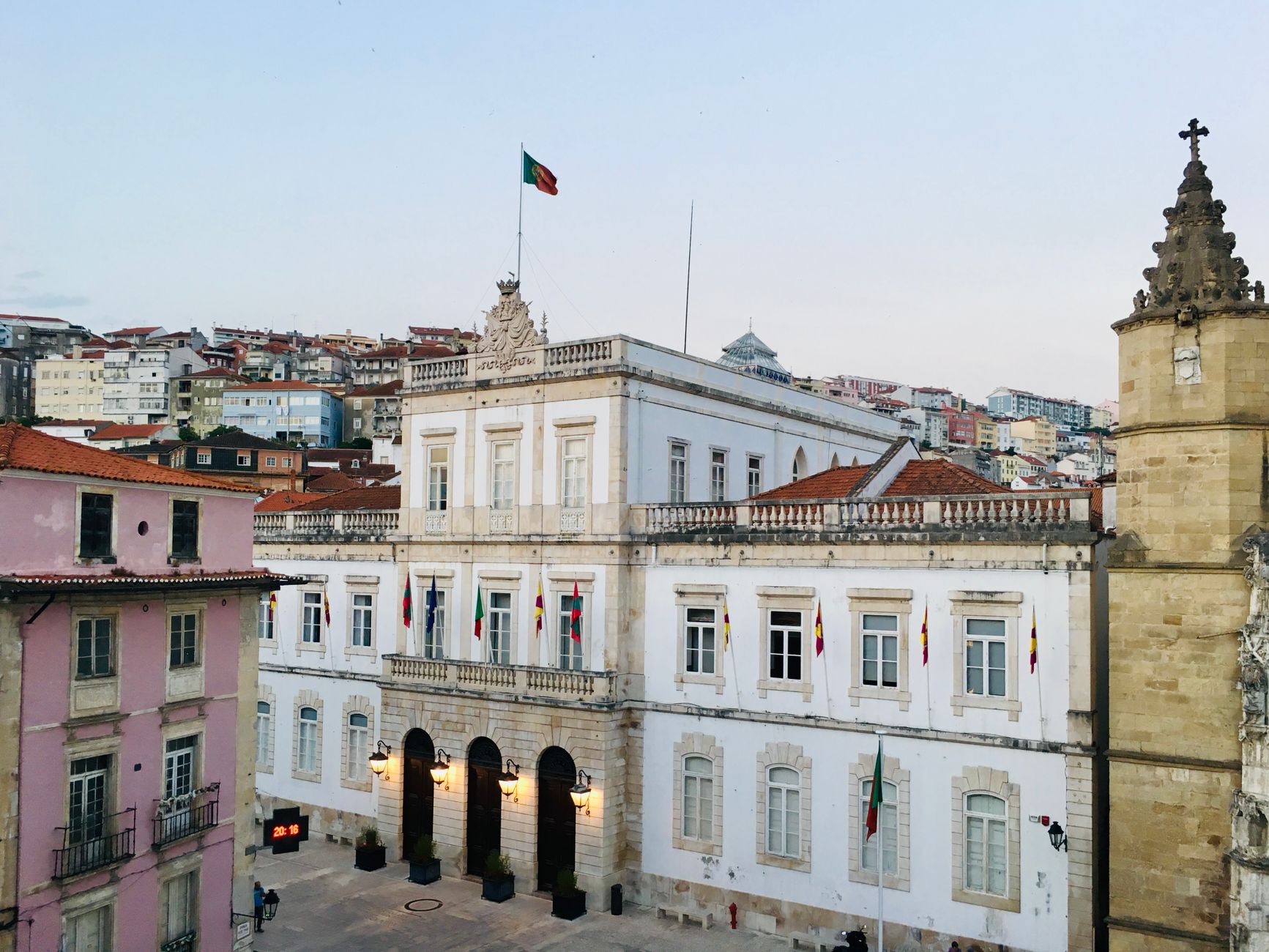
Photo by Egor Kunovsky via Pexels.
This is the part most foreign reporting skips. When someone is caught with a personal-use quantity, police still confiscate the drugs and issue a citation, but instead of a criminal court, the case goes to a Comissão para a Dissuasão da Toxicodependência -- a Commission for the Dissuasion of Drug Addiction. Portugal has one of these panels in each of its 18 districts, typically staffed by a lawyer, a doctor, and a social worker.
The commission's job isn't to punish so much as to assess. First-time cases are frequently suspended outright with no further action. Repeat cases might result in a small administrative fine, a requirement to report periodically to the commission, or referral to a treatment program if the panel believes the person shows signs of dependency. There's no criminal record, no jail time, and critically, no obligation to enter treatment if the commission decides the person isn't a problematic user -- a lot of cannabis cases end there, since recreational users without dependency issues are the most common cannabis referral.
Why This Model Exists: The Heroin Crisis Behind It
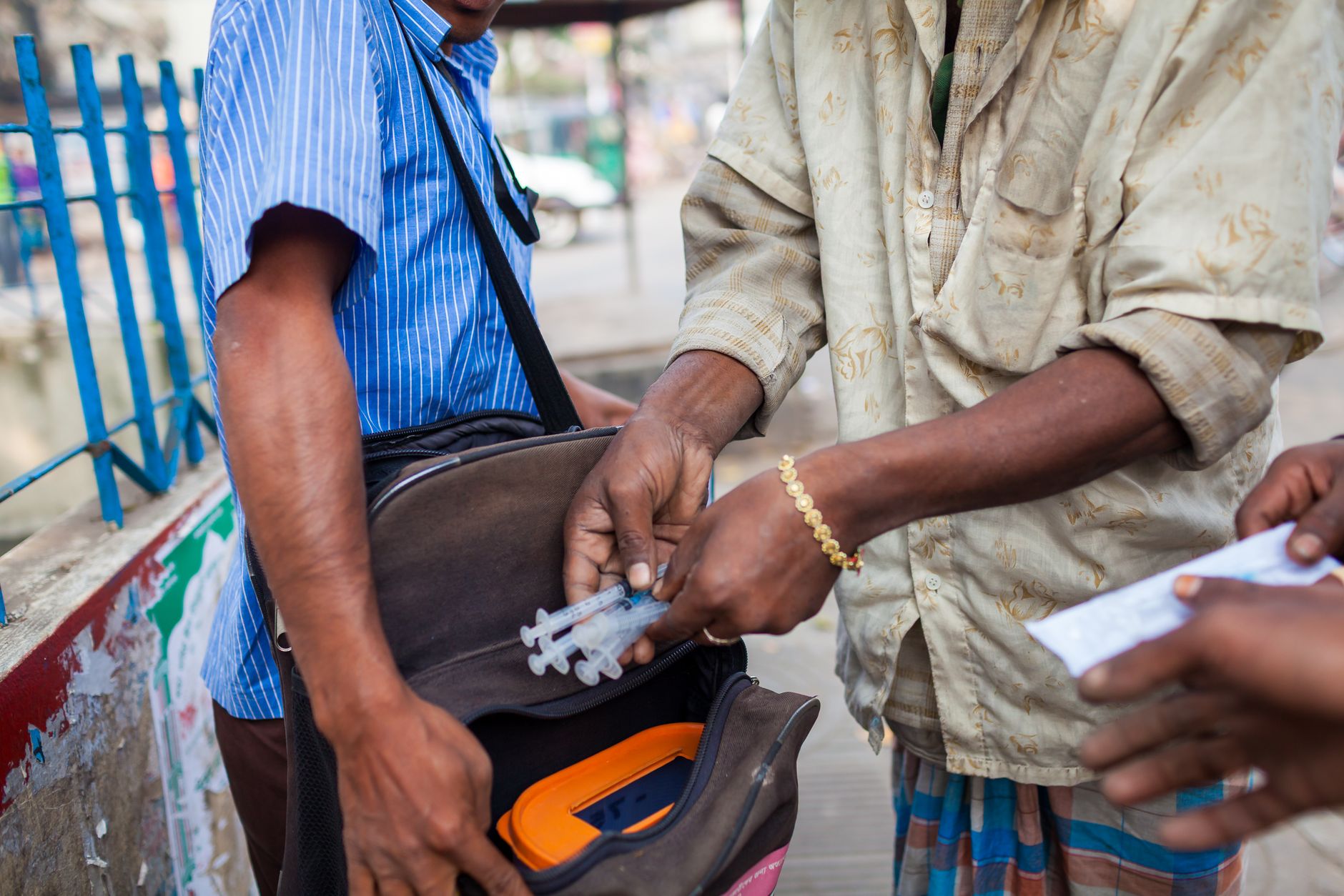
Photo by Ian Taylor via Pexels.
The law didn't emerge from cannabis advocacy. It was a response to a heroin epidemic that hit Portugal harder than almost anywhere else in Western Europe during the 1980s and 1990s, with HIV infection rates among injecting drug users becoming a genuine public health emergency. A government-commissioned panel led by psychiatrist João Goulão concluded that criminalizing users was pushing people away from treatment and testing, not toward it.
Cannabis got swept into the same framework as heroin, cocaine, and every other controlled substance, because the law was built around the concept of personal use quantities generally, not around cannabis specifically. That's part of why Portugal's approach reads differently than, say, a country writing a cannabis-only decriminalization statute -- it's one policy covering an entire drug schedule, with the commission model doing the work of sorting out who needs intervention and who doesn't.
What Decriminalization Does Not Cover

Photo by World Sikh Organization of Canada via Pexels.
There's no legal cannabis retail in Portugal for recreational users. No dispensaries, no coffee-shop model like the Netherlands, no home-grow allowance for personal recreational cultivation. Buying cannabis still means dealing with an unregulated, illegal supply chain, and selling it -- regardless of amount -- is prosecuted as trafficking. Cannabis social clubs operate in a legal gray area and have faced police raids in past years, since Portuguese law doesn't formally recognize the cultivation-for-members model the way Spain's courts have tolerated it.
Portugal does have a separate medical cannabis framework, established in 2018, that allows prescription access through pharmacies for qualifying conditions -- but that's a distinct piece of legislation from the 2001 decriminalization law and runs on its own rules, doctor approval, and product requirements. Conflating the two is one of the more common mistakes in coverage of Portuguese cannabis policy.
The Data Everyone Cites, and Its Limits

Photo by cottonbro studio via Pexels.
Portugal's drug-induced death rate has stayed among the lowest in the European Union in the years following the law, and HIV diagnoses linked to injecting drug use dropped sharply from their late-1990s peak. Those figures get cited constantly as proof the model works, and they're real. But researchers, including some within Portugal's own health institute, caution against crediting decriminalization alone -- the same period saw a major expansion of methadone programs, needle exchanges, and outreach services that arguably matter as much or more than the legal change itself.
For cannabis specifically, the data story is less dramatic than for heroin, which makes sense given cannabis was never driving Portugal's public health crisis in the first place. Usage rates among Portuguese adults have tracked fairly closely with broader European trends since 2001, without the surge that some opponents predicted or the total absence of use that a strict enforcement approach might otherwise coexist with.
What makes Portugal worth studying isn't that it solved drug policy -- homelessness and open drug use are still visible problems in parts of Lisbon and Porto, and funding for the dissuasion commissions and treatment services has fluctuated with the country's broader budget pressures over the years. What's durable about the model is narrower and more specific: it separated the question of "should this person be punished" from the question of "does this person need help," and built an institution whose only job is answering the second question honestly.
For cannabis users, that's meant a quarter-century without criminal records for simple possession, inside a country that still hasn't legalized the plant itself. That gap between decriminalized and legal is exactly where a lot of the world's cannabis policy experimentation is happening right now, and Portugal's law remains one of the clearest examples of how much space actually exists between the two.
Photo by Junior Diniz PHOTOGRAPHER IN LISBON via Pexels.