Sami Herders Eye Industrial Hemp in Northern Norway
Above the Arctic Circle in Finnmark, reindeer herders have spent generations reading lichen cover, snow density, and migration routes that stretch across borders with Sweden and Finland. Now a few Sami herding districts and agricultural researchers are asking a narrower, more practical question: could industrial hemp, grown on the margins of herding land or in greenhouses tied to herding communities, help offset a warming climate that's making winter grazing unpredictable? The idea isn't about replacing reindeer with a cash crop -- it's about whether hemp fiber, hurd, and hemp-based feed supplements might give herding families another tool as rain-on-snow events and shrinking pasture access squeeze the traditional economy.
Norway legalized industrial hemp cultivation under license in 2020, following years of EU-aligned reforms, and the crop has slowly moved north from pilot fields in Rogaland and Trøndelag. Whether it has any real future above the 69th parallel is still an open question, but it's one Sami agricultural cooperatives are starting to test.
Why Reindeer Herding Needs New Options
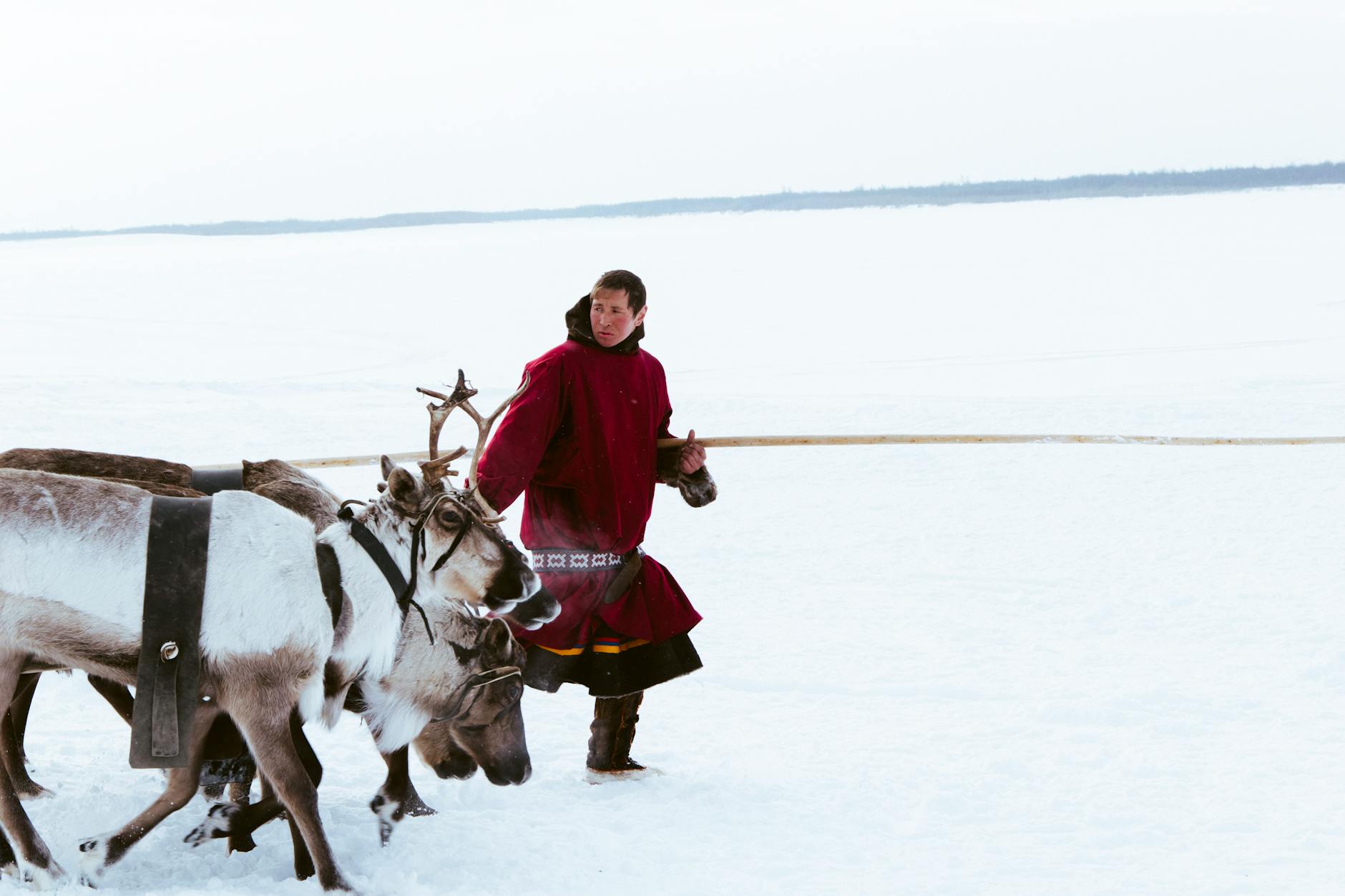
Photo by Ganimat Pashazade via Pexels.
Reindeer husbandry in Norway is legally reserved for Sami people under the Reindeer Husbandry Act, and it remains one of the clearest living links between Sami identity and land use. Roughly 3,000 people are registered as reindeer owners, organized into siida units and herding districts (reinbeitedistrikt) that hold customary rights to specific grazing territories across Finnmark, Troms, and parts of Trøndelag.
The problem herders describe isn't abstract. Warmer winters bring rain that falls on snowpack and then refreezes into ice layers, locking away the lichen reindeer need to survive the dark months. When that happens, herders have had to truck in supplementary feed -- usually pelleted concentrate -- at real cost, both financial and cultural, since supplemental feeding disrupts the free-ranging pattern that defines traditional herding. Infrastructure and land loss add pressure too: mining claims, wind farms, and highway expansion have all fragmented migration corridors in recent years, a set of conflicts Norwegian courts and the Sami Parliament have addressed repeatedly, most notably around the Fosen wind development.
What Hemp Could Actually Offer
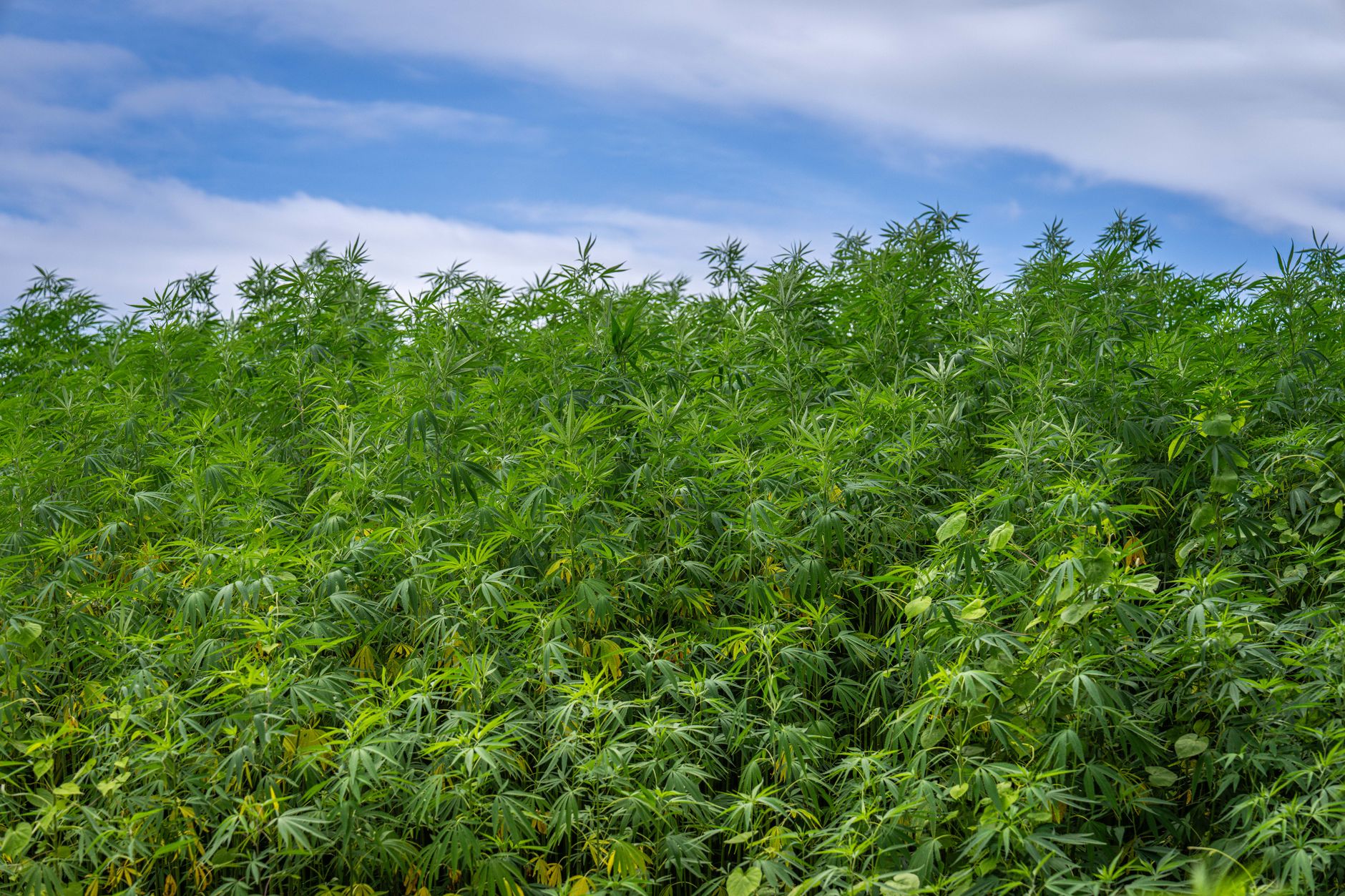
Photo by Mark Stebnicki via Pexels.
Industrial hemp is bred for fiber and seed, not for the cannabinoid content that draws attention elsewhere in the cannabis world -- Norwegian licenses require THC levels under 0.2%, in line with EU thresholds. What makes it interesting to herding cooperatives is less about the plant's novelty and more about its practicality in a cold, short-season environment.
- Fodder supplement: Hemp seed cake and hemp silage are being studied elsewhere in Scandinavia as protein-dense livestock feed that could reduce reliance on imported pellets during ice-lock winters.
- Fencing and windbreaks: Hemp's fast vertical growth and fibrous stalks have been floated as living windbreaks or as raw material for biodegradable fencing that wouldn't need to be hauled out of migration corridors each season.
- Fiber income: A short-season hemp crop grown in greenhouse tunnels or on marginal plots near settlements could give herding families a secondary income stream that doesn't compete for grazing land itself.
None of this has been proven at scale in the Arctic. Norway's hemp acreage overall is still small -- a few hundred hectares nationally in recent years -- and almost none of it sits north of the Arctic Circle, where the growing season can run under 100 frost-free days.
Early Trials in Finnmark and Troms
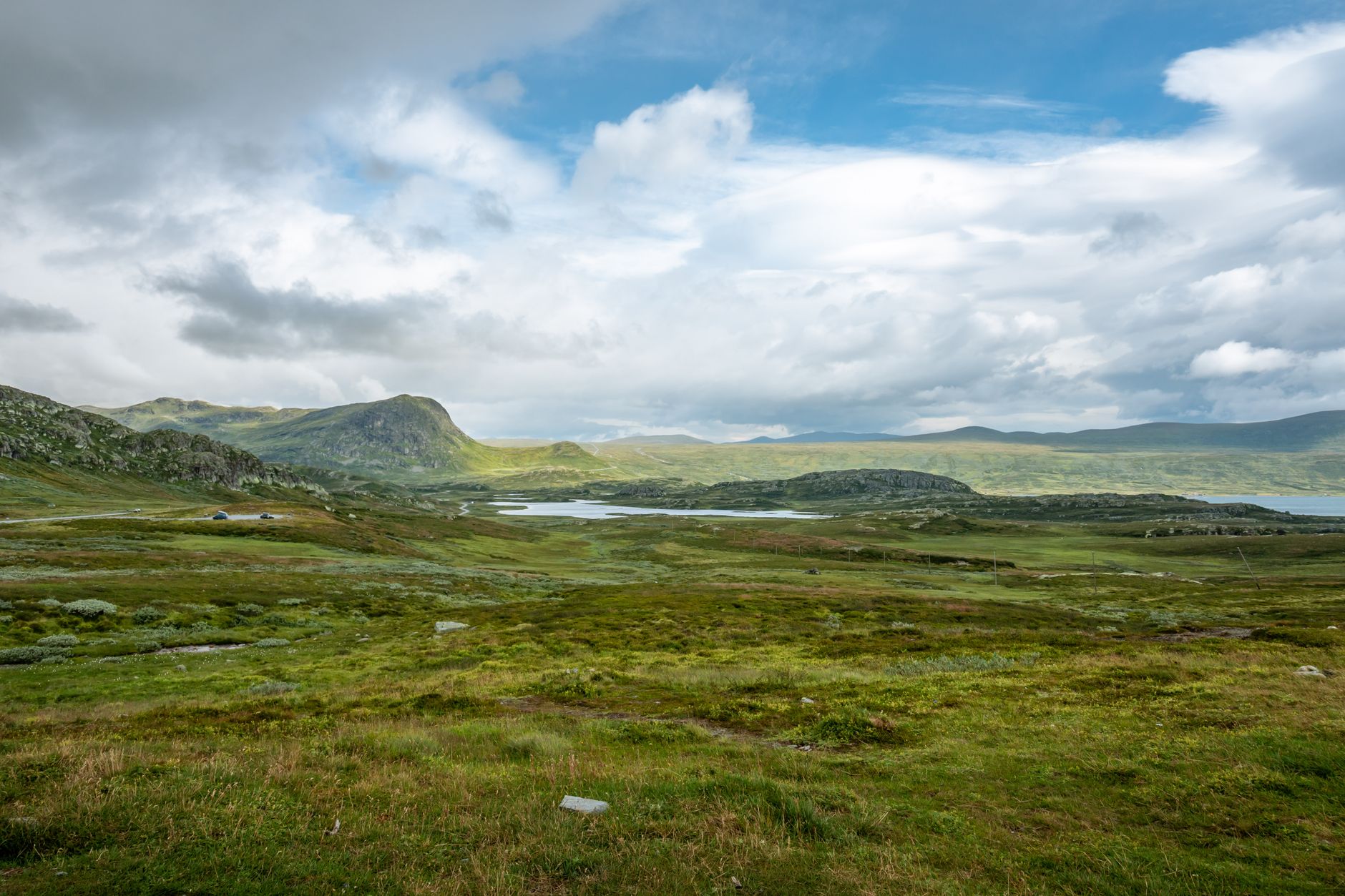
Photo by Bingqian Li via Pexels.
Agricultural extension officers working with Sami cooperatives in Finnmark have run small experimental plots near Kautokeino and Karasjok over the past several growing seasons, testing early-maturing fiber hemp varieties bred for short-season conditions in places like Finland and northern Sweden. The results so far are mixed but not discouraging: plants have reached harvestable height in some seasons, while others were cut short by an early frost or by the region's notoriously thin topsoil.
Sami University of Applied Sciences in Kautokeino, which focuses on reindeer husbandry and Sami language education, has fielded informal interest from herding families wanting to know whether hemp cultivation licenses could sit alongside existing reindeer district land-use agreements without triggering conflict over land classification. That's a real legal question in Norway, where reinbeitedistrikt boundaries and agricultural leases can overlap in ways that require negotiation with the Reindeer Husbandry Administration (Landbruksdirektoratet handles the licensing side for hemp specifically).
A Long History With Plant Fiber
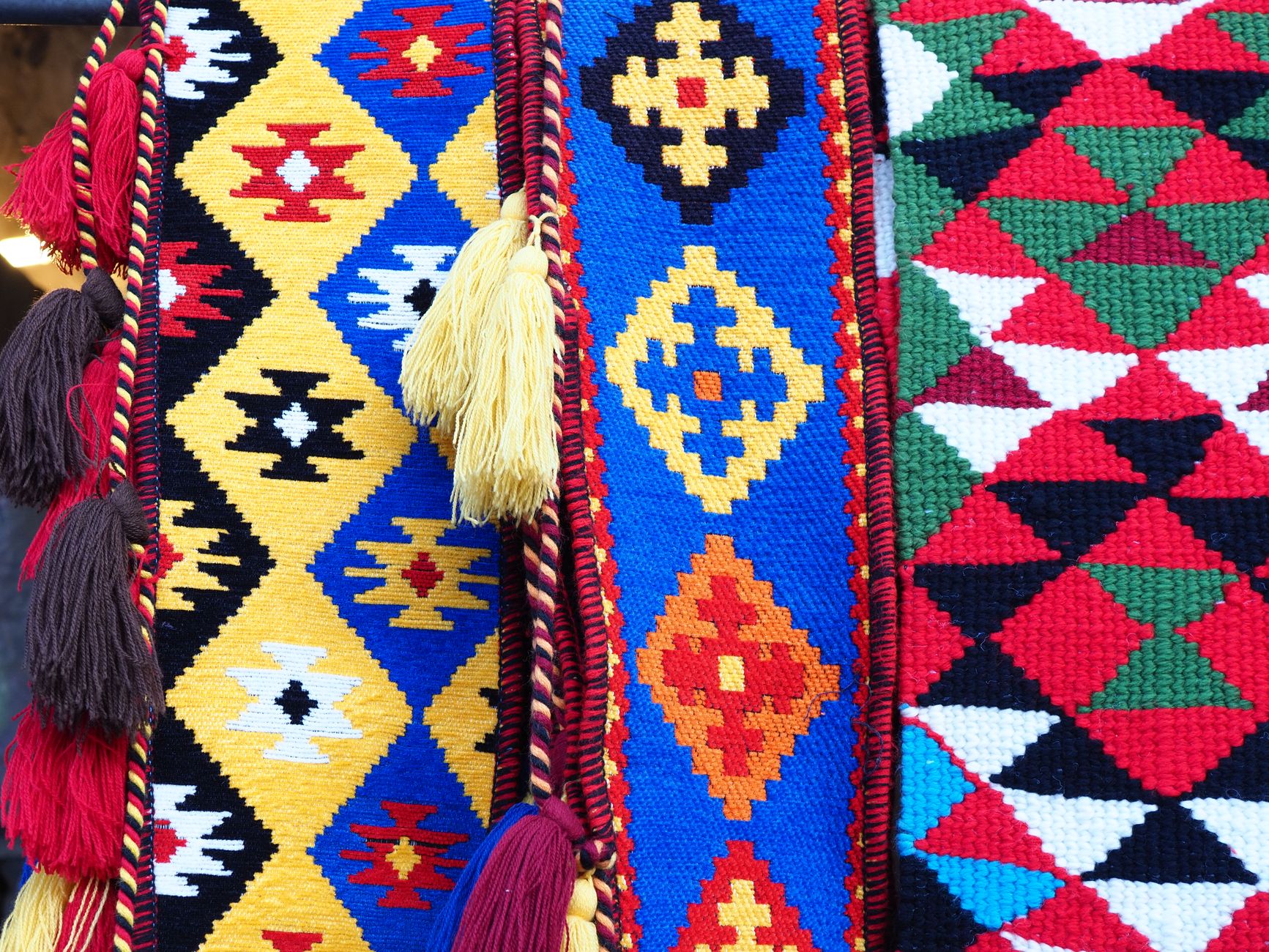
Photo by Natalya Rostun via Pexels.
Hemp itself is a new crop for Sami communities, but the underlying practice -- using tough plant and animal fiber to make cordage, containers, and textiles suited to Arctic conditions -- is not. Traditional Sami craft, duodji, has long relied on reindeer sinew, birch root, and grasses like sennegress for binding, insulation, and rope work, each chosen for how it behaves in cold and wet conditions.
Some duodji practitioners see hemp fiber as a plausible addition to that toolkit rather than an import that displaces it -- a plant fiber that's rot-resistant and strong enough for cordage or insulation, without requiring the specific animal parts that duodji has always used sparingly and with respect. That framing matters in Sami communities, where craft materials are tied closely to subsistence use of the whole reindeer and to seasonal availability rather than commercial convenience.
The Regulatory and Practical Hurdles

Photo by Mark Stebnicki via Pexels.
Norway's hemp rules require growers to hold a cultivation permit from the Norwegian Food Safety Authority (Mattilsynet) and to use certified seed varieties from the EU's approved list, with THC testing during the growing season. That's manageable paperwork for an established farm in southern Norway; it's a heavier lift for a herding cooperative in Finnmark weighing whether a few hectares of hemp is worth the licensing overhead against an uncertain harvest.
There's also the cold, unglamorous matter of processing. Fiber hemp needs retting and decortication equipment to turn stalks into usable material, and none of that infrastructure currently exists north of Trøndelag. Seed cake for animal feed would need to clear Mattilsynet's feed safety rules separately. Herders interested in hemp are, in effect, being asked to solve a supply-chain problem before they can test whether the crop even reliably grows in their fields season after season -- which is why most of the current activity remains at the trial-plot stage rather than anything resembling commercial production.
None of this suggests hemp is about to become a fixture of Sami herding life the way lichen forecasting or snowmobile logistics already are. What's notable is simply that herding communities facing real climate and land-use pressure are willing to test an unfamiliar crop on their own terms, at small scale, without treating it as a wholesale substitute for reindeer husbandry itself. If the short-season varieties hold up over another few winters, and if a processing option ever opens up in Troms or Finnmark, hemp may end up as one more modest tool in a herding economy that has always adapted its material culture to whatever the Arctic makes available.
Photo by Fredrik Solli Wandem via Unsplash.