Light Schedules in Late Flower: Squeezing Out Maximum Potency
Most of the potency conversation in cannabis cultivation focuses on nutrients, genetics, and harvest timing — but the light schedule you run in the final two to three weeks of flower is just as decisive. Cannabinoid and terpene biosynthesis are photoperiod- and stress-sensitive processes, and small changes to your light cycle late in flower can shift resin production, trichome density, and aromatic complexity noticeably from one harvest to the next.
This isn't about chasing gimmicks. It's about understanding what actually happens inside the trichome head when you manipulate dark periods, spectrum, and intensity right before chop — and applying that knowledge deliberately rather than by accident.
Why Late Flower Light Matters More Than People Think
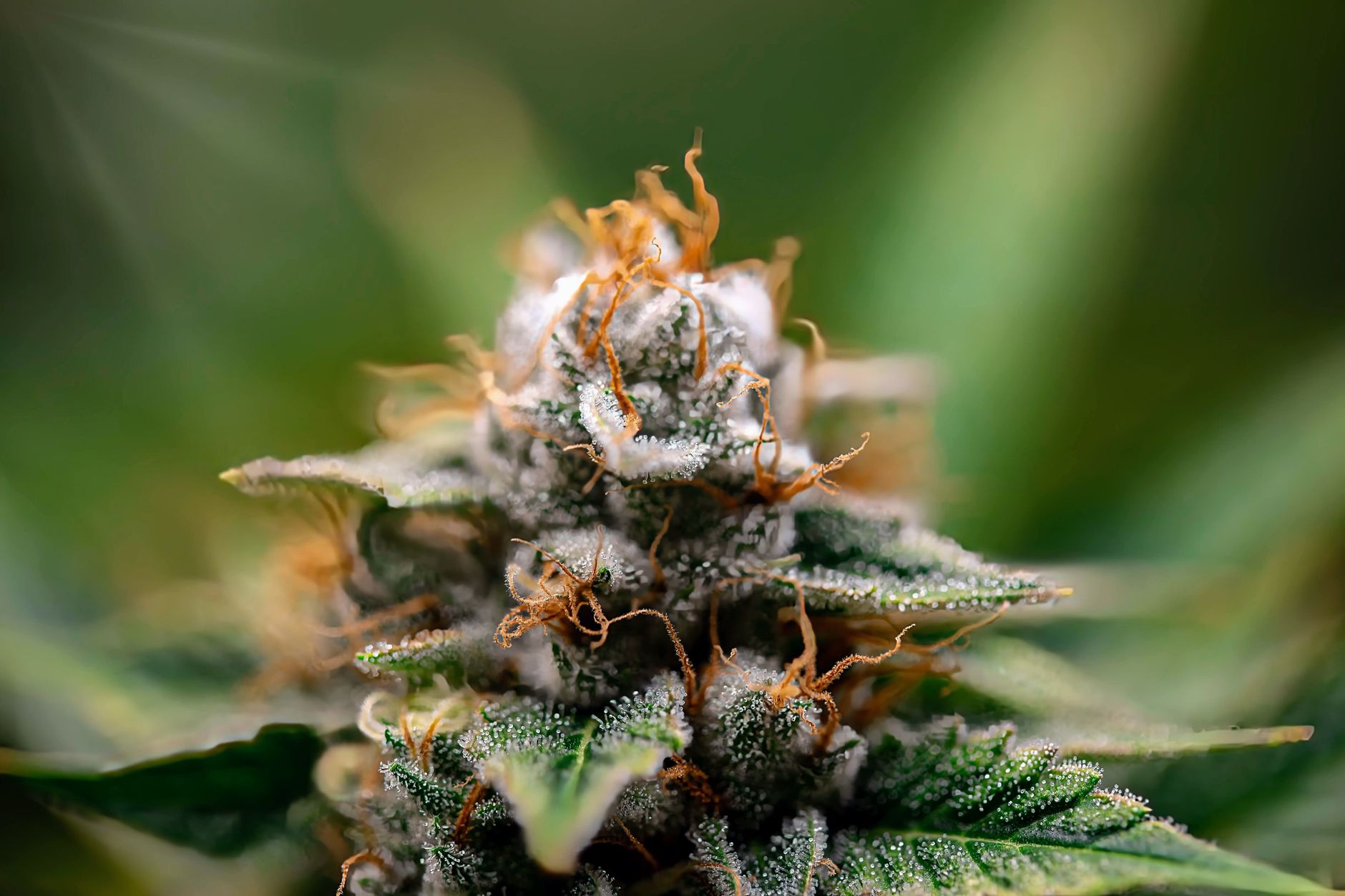
Photo by Diego Barros via Pexels.
Cannabinoid and terpene synthesis peak in the last 2-3 weeks before harvest, driven by trichome maturation. Glandular trichomes go from clear to cloudy to amber as THCA and terpene concentrations build, then begin to degrade. The light environment during this window directly influences the rate of that maturation and, to a real but limited degree, the ceiling on total resin output.
UV-B exposure, for instance, is well documented to trigger a defensive resin response in the plant — trichomes are believed to function partly as a UV shield for the flower's reproductive tissue, and increasing UV-B in late flower has been shown in controlled studies to increase trichome density on exposed surfaces. This doesn't mean UV is a magic potency switch, but it's one of the few late-stage light variables with real supporting evidence rather than grower folklore.
Photoperiod itself also matters because it governs the plant's internal clock for senescence. A 12/12 cycle that's been rock-solid since week 1 of flower gives you a predictable maturation curve. Disrupt that schedule late in the game — inconsistent lights-off times, light leaks, or an abrupt jump to 24/7 dark — and you're introducing stress variables that can either help (short bursts) or hurt (chronic disruption) depending on how they're applied.
The Extended Dark Period Debate

Photo by GB The Green Brand via Pexels.
One of the most persistent tricks in the grow community is giving plants 24-72 hours of total darkness immediately before harvest, based on the idea that the plant, sensing it's dying, dumps remaining sugars and resources into final resin production. There's anecdotal support from experienced growers who report a visible bump in trichome frostiness and a noticeably different aroma after a 48-hour blackout, but there's no rigorous published data confirming a measurable THC increase from this practice.
What extended darkness does reliably do is drop leaf temperature and halt photosynthesis, which can trigger a mild stress response and may influence anthocyanin expression (purpling) in genetics predisposed to it, since cooler, dark conditions favor pigment accumulation as chlorophyll breaks down. Some growers also report a shift toward a more relaxed, sedative smoke after a dark period finish, though this is subjective and unverified.
If you want to test it yourself: cut water 24-48 hours before your planned dark period, then hold the room at 65-68°F with lights off entirely for 24-48 hours before harvest. Keep humidity in the 45-50% range to avoid mold risk during the static air period. Run it on half your plants and leave the other half on normal schedule so you have a genuine side-by-side comparison for your own notes — results vary by strain, so don't take one grower's result as universal.
Shortening the Photoperiod in the Final Weeks
Photo by GB The Green Brand via Pexels.
Some cultivators shift from 12/12 to an 11/13 or even 10/14 light schedule for the final 1-2 weeks of flower. The logic: a longer uninterrupted dark period signals accelerated senescence and can push trichomes toward amber faster, which some growers correlate with a shift from a clear-headed sativa effect toward a heavier, more narcotic body effect as THC slowly converts toward CBN with prolonged maturation.
This technique is more about controlling the timing and character of the finish than boosting raw cannabinoid percentage. If you're growing a strain with a long flowering time that tends to hermie or stress under standard photoperiods, extending darkness slightly can sometimes reduce stress-triggered nanner production compared to holding a rigid 12/12 — though genetics that are prone to hermaphroditism will still need to be managed regardless of schedule.
Practically, don't overdo the shift. Dropping to 10/14 for more than 10-14 days can measurably reduce total flower mass and slow further trichome development since photosynthetic capacity is being cut. A modest 11/13 for the final 10-14 days is a reasonable middle ground if you want to experiment with finish character without sacrificing much yield.
UV-B and Full-Spectrum Supplementation Late in Flower

Photo by Erik Mclean via Pexels.
If your fixture supports supplemental UV-B (often via add-on bars rather than built into main LED arrays), the final 3-4 weeks of flower is the highest-leverage window to run it. Start conservatively — 5-15 minutes of UV-B exposure during the middle of the light period, 3-4 times per week — and increase gradually while watching for leaf bleaching or brittleness on upper canopy leaves, which signals overexposure. UV-B intensity should generally stay under 1-2% of total PPFD to avoid tissue damage.
Beyond UV, some growers increase the blue (400-500nm) fraction of spectrum slightly in late flower rather than pushing deep red, on the theory that blue-heavy light in vegetative stages correlates with more compact, resinous growth — the same logic applied late in flower is meant to reinforce trichome density on the outer canopy rather than stretch. Evidence here is thinner and more anecdotal than the UV-B research, so treat it as a minor lever, not a core strategy.
Whatever spectrum changes you make, keep total PPFD in the 700-900 µmol/m²/s range for mature flower under LEDs, with DLI landing around 40-50 mol/m²/day. Pushing intensity higher than your strain and canopy density can actually handle late in flower risks bleaching and light stress that costs you more resin than any spectrum tweak gains.
Building a Late-Flower Light Protocol That Actually Works

Photo by Diego Barros via Pexels.
Rather than stacking every trick at once, pick one or two variables to manipulate deliberately and keep everything else stable. A reasonable late-flower protocol looks like this:
- Weeks 1-6 of flower: Rock-solid 12/12, no light leaks, stable temps (75-80°F day / 65-70°F night) and VPD in the 1.2-1.5 kPa range.
- Final 2 weeks: Shift to 11/13 if desired, introduce or increase UV-B supplementation gradually, hold EC in the 1.6-2.0 mS/cm range in coco/hydro with a slight taper in nitrogen.
- Final 24-48 hours: Optional full dark period with water withheld, cooler temps, humidity controlled to prevent botrytis.
Track trichome color under a handheld loupe (30-60x) starting at week 6, checking the same cola locations each time for consistency. Harvest windows based on 10-20% amber, 70-80% cloudy trichomes generally produce the most balanced, potent flower for most hybrids, though sativa-dominant genetics are often pulled slightly earlier and indica-dominant slightly later for desired effect.
None of these light-schedule tricks compensate for weak genetics. Starting with well-bred seeds from a reputable source gives you a plant with the trichome density and terpene expression genetics needed to actually respond to these late-flower techniques — a low-resin phenotype won't suddenly turn frosty because you ran a dark period.
Late-flower light manipulation is a fine-tuning tool, not a substitute for solid fundamentals — clean water, dialed nutrients, proper VPD, and healthy roots still do the heavy lifting on total potency and yield. But for growers who already have those basics locked in, adjusting photoperiod length, adding measured UV-B, and experimenting with a pre-harvest dark period are legitimate, low-risk ways to influence trichome maturation and finish character.
Keep a grow journal, change one variable at a time, and judge results against your own harvests rather than forum claims. What works dramatically for one strain in one tent may do almost nothing for a different genetic in a different climate — and that variability is exactly why testing on your own plants matters more than any single protocol.
Photo by Nikolass Graff via Pexels.