Overwatering vs Underwatering: How to Tell the Difference
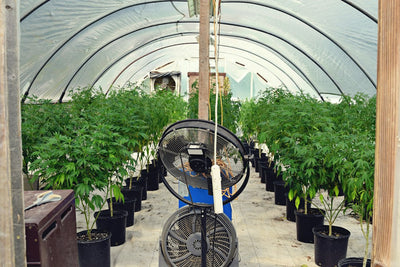
Photo by Đào Việt Hoàng via Unsplash.
A grower texts a photo at 11pm: droopy leaves, whole plant looking tired, asking "is it thirsty?" Half the time the answer is no — it's drowning. Wilting is the single most misread symptom in cultivation, because a plant that's dying of thirst and a plant that's dying of root rot produce almost the exact same slump. Leaves droop, growth stalls, the whole canopy looks defeated. From a photo alone, even experienced growers guess wrong constantly.
The instinct that kills more plants than anything else is the reflex to add water the moment you see wilt. If the real problem is waterlogged, oxygen-starved roots, pouring in more water is the worst possible response — it deepens the rot, drowns whatever healthy root tissue is left, and turns a recoverable mistake into a dead plant within days. That reflex feels responsible. It's actually the trigger for a downward spiral that's hard to reverse once crown rot sets in.
This guide skips the guesswork and gives you an actual diagnostic sequence: what the roots look like when you pull the plant, how to run a dowel test and a weight check, and what a 24-hour water response tells you that leaves alone never will. None of this requires special equipment — a wooden dowel, your hands, and a nose for smell are enough. Getting this call wrong costs entire plants, sometimes whole rows of them if you're running multiple containers on the same schedule. The goal here is a fast, reliable field diagnosis you can run in five minutes, before you touch the watering can again.
Why the Symptoms Look So Similar
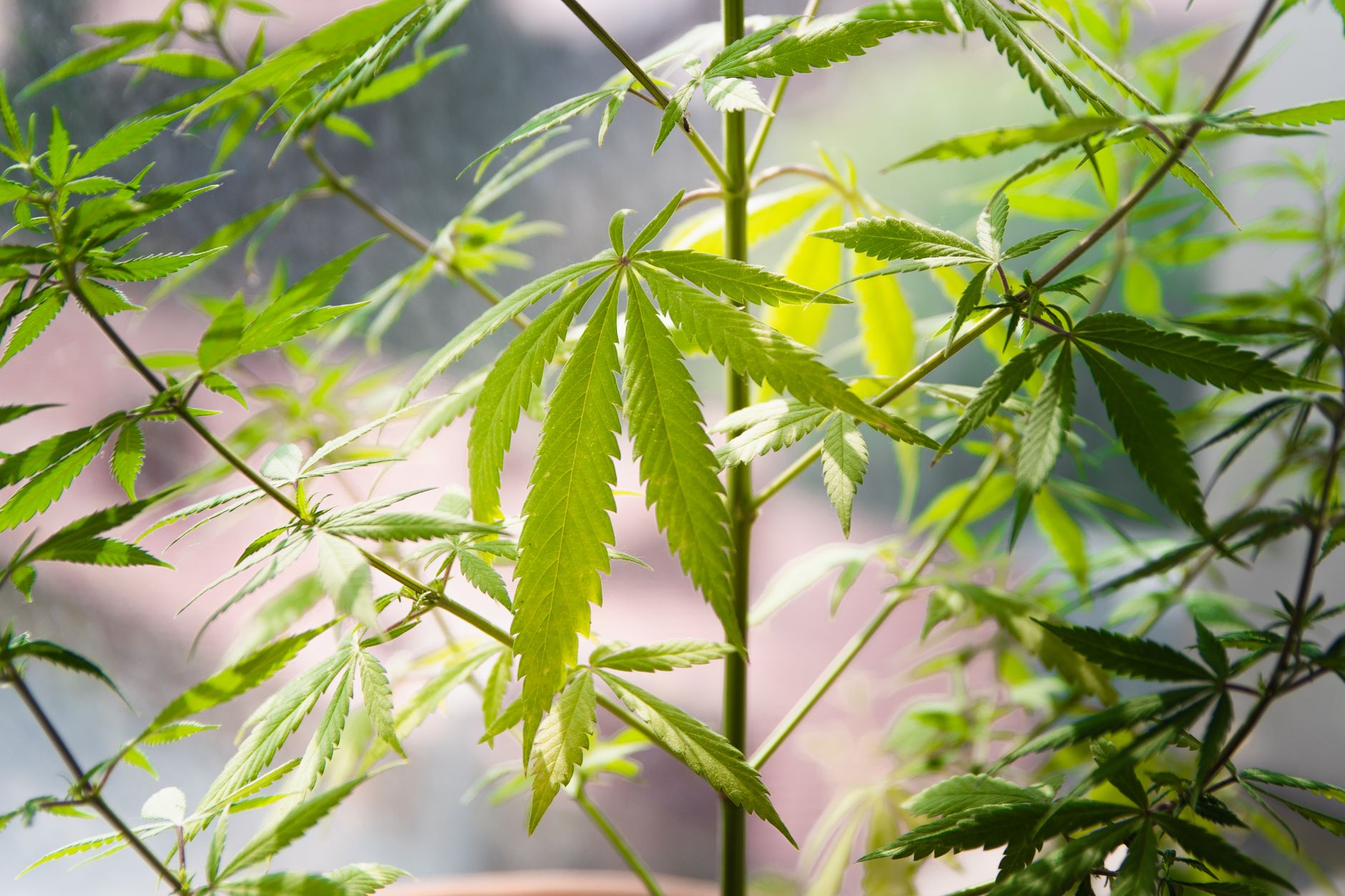
Photo by Алексей Вечерин via Pexels.
Overwatering and underwatering produce nearly identical early symptoms because they're actually the same failure downstream: the roots can't move water into the plant. With underwatering, there's simply no water available to take up. With overwatering, there's plenty of water but the root zone has gone anaerobic — oxygen can't reach the fine root hairs, they suffocate, and rot organisms move in on the weakened tissue. A plant sitting in saturated soil can wilt just as hard as one in bone-dry soil, because functionally, its roots have stopped working either way. That's the part that trips people up: overwatering doesn't kill by drowning the leaves, it kills by shutting down the plumbing at the root.
Yellowing and browning that starts on the lower and inner leaves shows up in both scenarios too — extension research on houseplants and vegetable crops consistently flags this as an unreliable standalone symptom. A nitrogen-starved, drought-stressed plant yellows from the bottom up as it cannibalizes older leaves to keep new growth alive. A plant with compromised roots from rot does the exact same thing, because it's also nutrient- and water-starved, just for the opposite underlying reason.
Here's where it turns dangerous: wilting is a visual cue that reads as 'thirsty' to almost every grower's gut instinct, so the automatic response is to water. If the actual cause is root rot, that additional water is the worst possible input — it keeps the media saturated, starves the roots of oxygen further, and accelerates the pathogens that are already eating the root system. This is how a grower can water a dying plant three or four times in a week, watching it decline faster each time, convinced they just need to water more.
Cannabis growers get an extra layer of confusion late in flower. Natural senescence causes fan leaves to yellow and die off in the last few weeks regardless of watering — it's the plant redirecting resources into bud development. That normal yellowing gets misread as a watering problem, prompting an unnecessary intervention during a stage where the plant should mostly be left alone.
The Telltale Signs of Overwatering

Photo by Anna Shvets via Pexels.
Overwatered plants tell a fairly consistent story once you know what to look for. Yellowing or browning typically starts on the lower and inner leaves first, often with a slightly translucent or waterlogged look to the tissue before it browns out completely. Leaf drop follows, sometimes surprisingly fast — healthy-looking leaves detaching at the petiole with barely a tug. The cruel irony is that the plant wilts despite the soil being visibly, obviously wet, which is the detail that should immediately shift your suspicion away from thirst.
Fungus gnats are one of the most reliable overwatering tells in the whole diagnostic toolkit. These small, dark flies hovering just above the soil surface or crawling around the base of the pot breed specifically in constantly moist growing media — their larvae feed on fungi and decaying organic matter in wet soil. If you're seeing gnats and wilting together, overwatering should be your default assumption before you even touch the plant.
Smell is another giveaway that leaves alone will never provide. Crown rot at the base of the stem, or rot developing in the root zone, produces a distinct sour, rotting-vegetable odor. Get your nose near the base of the stem or the drainage hole — if there's a funky, swampy smell, that's not a healthy plant with a watering issue, that's active decomposition happening in the container.
Physically, the soil itself confirms the diagnosis: it stays wet days after the last watering, with no real drying cycle happening between waterings. Push a finger in an inch or two and it should still feel damp days later if this is the problem. Leaf texture matters too — overwatered leaves tend to feel soft, limp, almost swollen or waterlogged rather than dry, which is a tactile difference you can feel in seconds once you've felt both conditions once or twice.
The Telltale Signs of Underwatering
Photo by Debendra Das via Pexels.
Underwatered plants have a texture story that's almost the inverse of overwatered ones. Leaves feel dry, thin, and papery rather than soft or swollen — crispy at the edges, sometimes crumbling slightly under light pressure. Cannabis specifically shows a distinctive symptom here called 'taco-ing,' where leaves curl inward along their length like a folded taco shell, a defensive response to reduce surface area and slow further water loss.
The wilting pattern is different too. Where overwatering tends to hit lower and inner leaves first, drought stress wilts the whole plant fairly evenly — the entire canopy droops together because every part of the plant is losing water faster than the roots can replace it, not because specific leaves are being sacrificed to feed new growth.
Physical inspection of the container settles most doubt quickly. Dry soil visibly pulls away from the inside edges of the pot, leaving a small gap you can often see without even touching anything. Push a finger down an inch or two and it feels genuinely bone-dry, not just surface-dry. Lift the pot — it will feel noticeably, almost surprisingly light compared to when it's properly saturated, since water is heavy and dry potting mix is not.
The best confirmation, though, is recovery speed. Water a genuinely underwatered plant thoroughly and it should visibly perk back up within 12 to 24 hours — leaves firming, wilt reversing, the whole plant looking noticeably better by the next morning. That fast, clean recovery is something an overwatered plant with damaged roots simply cannot do, because its roots physically can't take up the water you're now giving it.
And critically, none of the overwatering red flags show up here. No smell at the base of the stem, no fungus gnats hovering over the pot, no mushy or soft tissue anywhere on the plant. Everything about an underwatered plant is dehydration — dry, light, crispy — with zero signs of rot or decay anywhere in the system.
The Root Check: The Only Test That Doesn't Lie

Photo by cottonbro studio via Pexels.
Leaf symptoms can mislead you, but roots don't lie — they're the one diagnostic that tells you exactly what's happening underground, no interpretation required. Healthy roots are firm to the touch, white or light tan in color, and covered in a fine web of feeder root hairs that give the root ball a slightly fuzzy, dense look. If you gently tug on a healthy root, it holds together and resists.
Rotted roots look and feel completely different. They turn brown, reddish-brown, or black, and the outer tissue goes mushy and slimy. Run your fingers along a rotted root and the outer layer will often slough right off, leaving a thin, stringy core behind — a texture sometimes described as looking like wet thread once the rotted sheath is stripped away. That sloughing test alone is close to definitive.
Smell confirms it further, and you don't even need to unpot the plant to check. Root rot organisms produce that same sour, rotting-vegetable odor mentioned earlier, and it's often detectable right at the drainage hole on the bottom of the pot. A quick sniff there before you do anything else can save you the trouble of unpotting a plant that turns out to be fine, or warn you clearly before you even start.
The organisms responsible — Pythium, Phytophthora, Rhizoctonia, and Fusarium chief among them — are opportunistic pathogens that thrive specifically in wet, poorly-drained, oxygen-poor media. They don't usually attack a healthy, well-drained root system out of nowhere; they exploit roots that are already stressed by waterlogging and low oxygen, which is why overwatering and root rot are so tightly linked in practice rather than being two separate problems.
When you're genuinely unsure, skip the leaf-symptom guessing game entirely. Gently slide the root ball out of the pot — tip it sideways, support the base, and ease it out rather than yanking by the stem — and look directly at what the roots are doing. Five minutes of visual inspection settles debates that could otherwise drag on for days of trial and error.
Two Field Tests: The Dowel Test and the 24-Hour Water Test
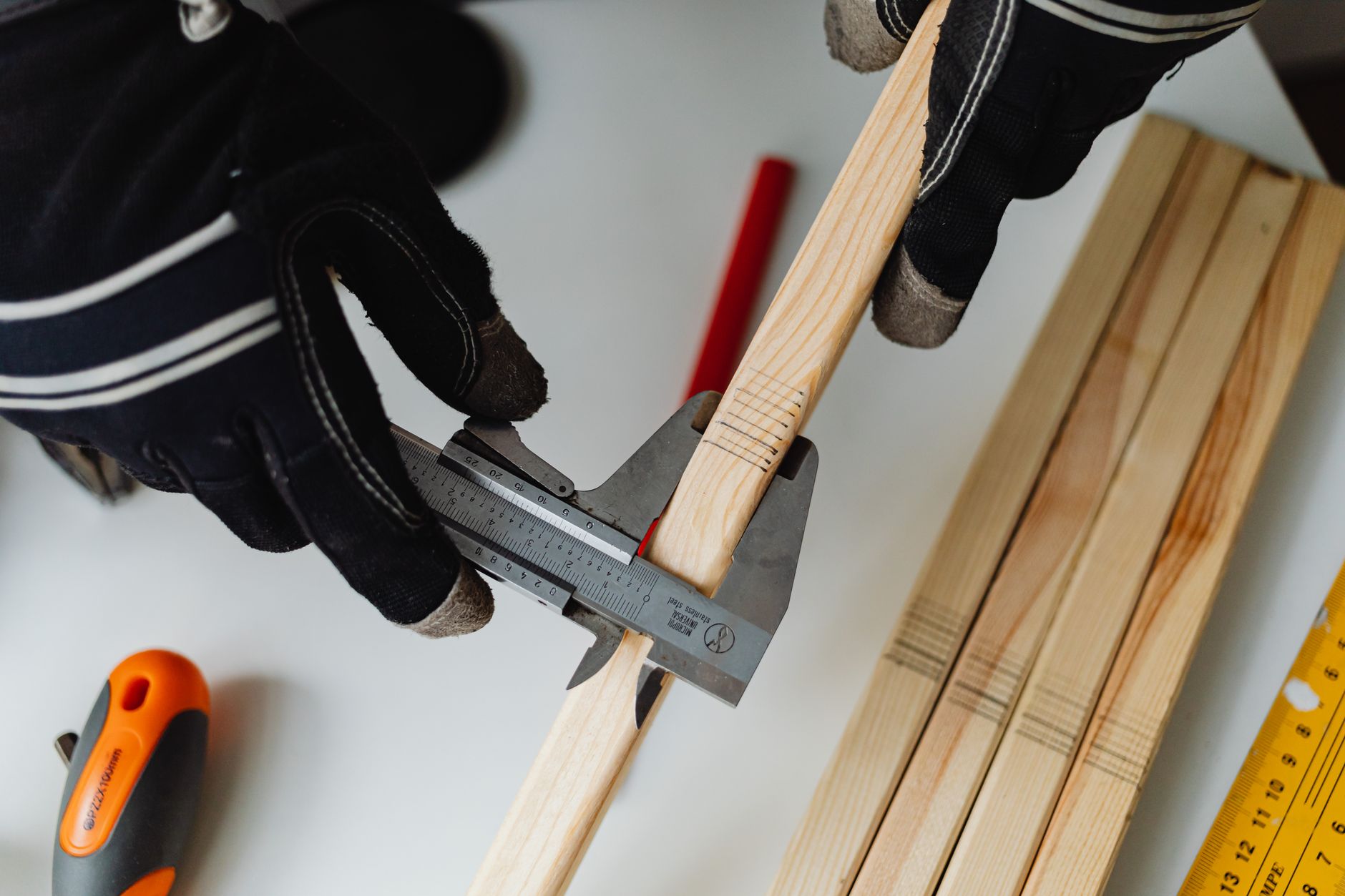
Photo by www.kaboompics.com via Pexels.
Two simple, no-cost field tests will resolve most watering diagnoses without needing to unpot anything, and both are worth running before you touch the water can.
The dowel test: take a plain, bare wooden dowel or a clean wooden skewer and push it straight down to the bottom of the pot, close to the root ball but not through it. Leave it in place for a few minutes, then pull it out and look closely. Moist or wet soil clings to the wood and visibly darkens it along the length it traveled through. Dry soil leaves the dowel clean, or close to it, with little to no soil sticking and no darkening. This tells you moisture conditions at the bottom of the pot, which is exactly where surface checks fail you — the top inch can look dry while the bottom third is still saturated.
The weight test works as a second opinion and is even faster: lift the pot. Saturated potting mix is dramatically heavier than dry mix — water weighs roughly a kilogram per liter, so a gallon pot holding excess water can be several pounds heavier than the same pot bone-dry. Get a feel for how your pots feel right after a thorough watering versus a few days later, and you'll start reading weight almost instinctively. Tracking this over several days tells you whether the container is actually completing a drying cycle between waterings or staying perpetually heavy.
Once you've got a moisture reading, the decisive test is simple: if the plant shows only drought-type symptoms — even wilt, crispy texture, no smell — and the dowel and weight both confirm dry soil, water it thoroughly and check back in 12 to 24 hours. Recovery confirms drought stress. No recovery, or worse, means you're likely dealing with root damage even if the soil felt dry on top.
When symptoms are mixed — some yellowing lower leaves, some crispy tips, soil that's dry on top but heavy underneath — treat it as overwatered first. Root rot damage lingers long after the surface dries out, so a pot that feels dry today may still be carrying rotted roots from being soaked a week ago. Always pair these field tests with an actual root inspection when the picture isn't clean; no single test should carry the whole diagnosis on its own.
Building a Wet-Dry Cycle to Prevent Both Problems

Photo by XRP Relic via Unsplash.
Most overwatering and underwatering problems trace back to one bad habit: watering on a fixed calendar instead of watering based on what the soil is actually doing. Every-other-day watering might be right for one setup and disastrous for another, depending on pot size, media, temperature, and root mass. Check the top one to two inches of soil before every watering — if it's still damp, wait. If it's dry, water. That single habit change prevents more problems than any product or gadget will.
When you do water, saturate the entire root ball thoroughly until you see runoff from the drainage holes, then let the medium dry down fully before watering again. The common mistake is the opposite — small daily sips that wet the top layer but never really flush the container, leaving the lower two-thirds of the root zone perpetually damp. That semi-wet, never-drying state is exactly the environment Pythium and Phytophthora need to establish, and it starves roots of the oxygen pulse they get during a proper dry-down.
Drainage matters just as much as your watering schedule. A container without real drain holes, or a dense, poorly-draining mix that holds water like a sponge, will overwater a plant even if you're technically watering correctly and infrequently. Fast-draining mixes with adequate perlite or similar aeration components, paired with pots that actually let excess water leave the container, remove a huge amount of risk before you even develop good watering habits.
Fabric pots help here too, since they aerate the root zone through the container walls and dry down more evenly than plastic, which avoids the classic mismatch of a small young root system sitting in an oversized container full of wet soil that never gets fully explored or dried by the roots.
Genetics play a real role in resilience as well — vigorous, well-bred plants tend to root out faster and recover from minor watering mistakes more readily than weaker stock, which is part of why Seedtiva puts real weight on genetic quality when selecting seed lines, though no genetics fully protect against a consistently overwatered root zone.
If you've confirmed root rot, the fix isn't more water — it's less. Improve drainage, cut back watering frequency to let the medium dry out properly, and in some cases repot into fresh, well-draining media to give whatever healthy root tissue remains a clean environment to recover in.
Leaf symptoms will fool you almost every time — wilt, yellowing, and drooping show up in both a drowning plant and a thirsty one, and by the time the canopy looks bad enough to worry you, guessing from appearance alone is a coin flip. The roots and the actual moisture level in the soil are the only witnesses that don't lie. A dowel test, a weight check, and a direct look at root color and texture take a few minutes combined and remove almost all the ambiguity that leaf-watching leaves behind.
When the picture is genuinely mixed and you can't tell which way it's leaning, default to treating it as overwatered. Let the pot dry out fully before adding anything else, and hold off on more water even if the plant still looks a little sad in the meantime. Erring toward dry is the safer mistake — a dehydrated plant with intact roots bounces back within a day of proper watering, while a plant with rotting roots gets worse every time you add water on top of the damage.
Most of this diagnostic work becomes unnecessary once a proper wet-dry cycle and decent drainage are in place. Check before you water, saturate fully when you do, let it dry down completely before the next round, and use a mix and container that actually let water leave when it needs to. That combination alone prevents the overwhelming majority of these watering headaches before they ever force you into a root inspection at all.
Sources
- Overwatered Vs Underwatered Plants: Signs, Fix Tips (Full Guide)
- Reading the Leaves: Signs of Overwatering and Underwatering & How to Know the Difference - Rockledge Gardens
- Is Your Plant Overwatered or Underwatered? — Sustained Kitchen
- Help! Am I Overwatering Or Underwatering My Plant? - Bloomscape
- The Essential Guide To Watering Your Houseplants | WallyGro – WallyGrow