Root Zone Temperature: The Overlooked Key to Yield
Growers obsess over PPFD, VPD, and EC while ignoring the one variable happening completely out of sight: what's going on down at the root ball. Root zone temperature (RZT) governs oxygen availability, nutrient uptake rates, and microbial activity in ways that canopy-level environmental control simply can't fix. Get it wrong and you'll fight stunted growth, nutrient lockout, and root disease all season no matter how dialed-in your lights and air are.
Get it right, and you unlock faster vegetative growth, heavier finishing weight, and a plant that shrugs off the stress of transplants, heat waves, and heavy feeding. This is one of the highest-leverage, lowest-cost fixes available to any grower, indoor or outdoor.
Why Root Zone Temperature Matters More Than People Think

Photo by Walter Cunha via Pexels.
Roots don't just anchor the plant -- they're metabolically active tissue that needs oxygen to drive nutrient uptake through active transport. Warm root zones hold less dissolved oxygen (this is basic gas solubility physics), and warm, wet media are also the perfect breeding ground for pathogenic fungi like Pythium and Fusarium. Cold root zones, on the other hand, slow enzymatic activity and nutrient ion uptake, particularly phosphorus and potassium, even when the air above is warm and lights are blasting full intensity.
This creates a common but confusing scenario: canopy temp and humidity look perfect, VPD is dialed to 1.0-1.2 kPa, yet the plant still shows interveinal chlorosis, slow stretch, or wilting under lights. Nine times out of ten when this happens in hydro or coco, the root zone is either running too hot from pump heat and light bleed into reservoirs, or too cold from an unheated basement or cold water source.
Root metabolism and shoot metabolism are linked but not identical -- roots have their own optimal thermal window, generally cooler than what the canopy wants. Treating the rhizosphere as its own microclimate, separate from ambient room temp, is the mental shift that separates growers who plateau at average yields from those who consistently push vigor and finished weight higher.
Dialing In the Ideal Range by Medium
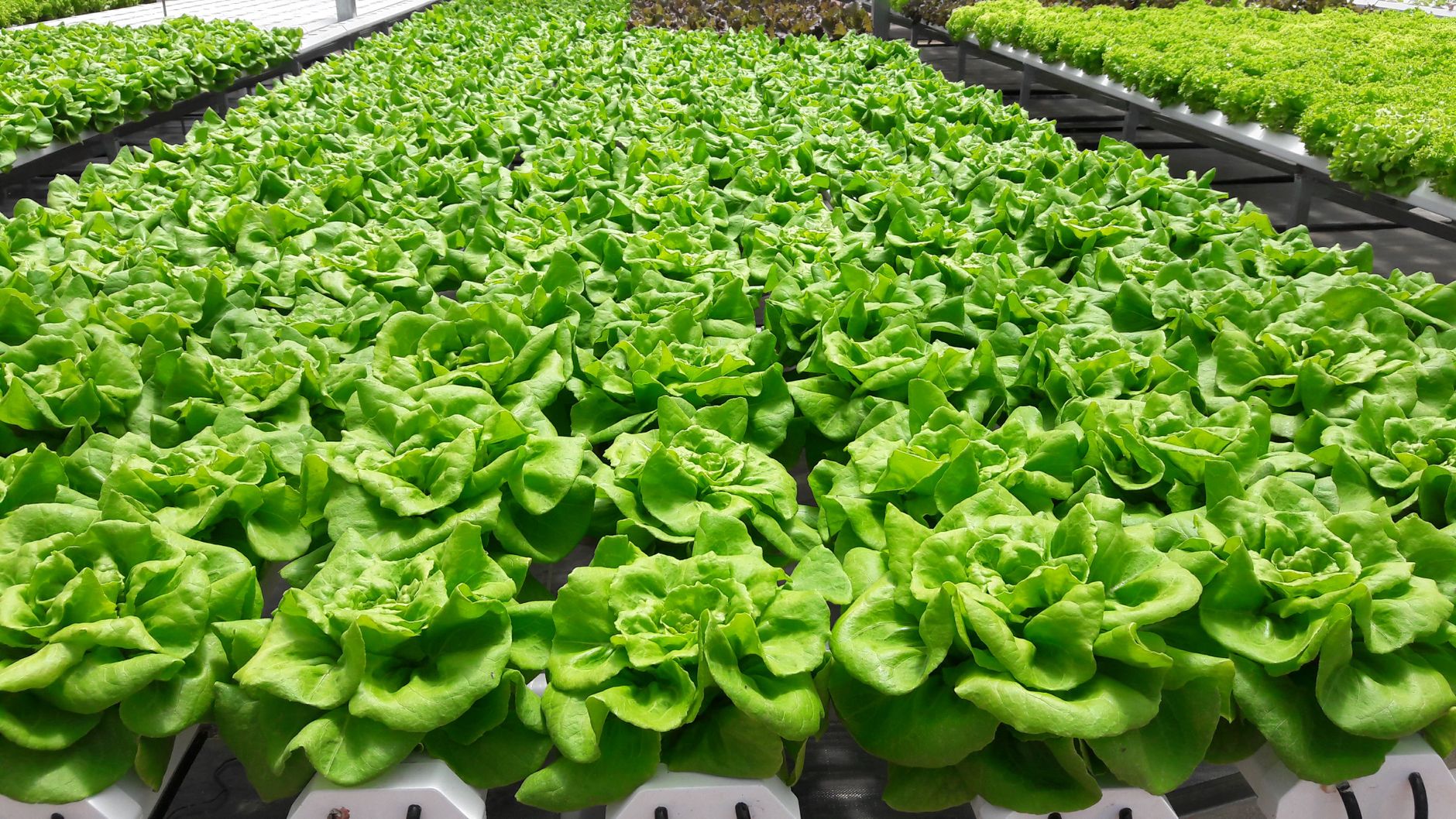
Photo by Maria Van via Pexels.
Target ranges shift depending on what you're growing in, because oxygen availability and buffering capacity differ across media:
- Soil/soilless (peat-based mixes): 68-75°F (20-24°C). Soil has more buffering capacity and slower oxygen depletion, so a slightly wider window is tolerated.
- Coco coir: 68-73°F (20-23°C). Coco holds more water than perlite-heavy mixes, so oxygen becomes limiting faster as temps climb -- stay on the cooler end if your coco-to-perlite ratio is above 70/30.
- Hydroponics (DWC, RDWC, NFT): 65-70°F (18-21°C) is the sweet spot. This is the most sensitive medium because roots sit directly in water with no buffer at all. Above 72°F, dissolved oxygen drops fast and Pythium risk climbs sharply; above 75°F it's a matter of when, not if, root rot shows up.
- Outdoor beds/containers: harder to control directly, but mulching, pot color, and burying containers or using fabric pots in partial shade all keep roots several degrees below ambient air temp on hot days.
Below 65°F across any medium, nutrient uptake -- especially phosphorus -- slows dramatically, which shows up as purpling stems and sluggish growth even with correct EC and pH.
Reading the Warning Signs of a Root Zone Problem

Photo by Алексей Вечерин via Pexels.
Because you can't see the root zone without digging or popping a reservoir lid, you have to learn to read the plant. Common symptoms of root zone temps running too hot include: wilting during peak light hours despite adequate substrate moisture, a sudden nutrient lockout appearance (dark green older leaves with pale new growth), slimy brown root tips when you do check, and a musty or sour smell from the reservoir or pot.
Too-cold root zones tend to show as generalized slow growth, reduced internode stretch, dark purple or reddish stems even on strains that aren't genetically prone to it, and reduced water uptake leading to overwatering symptoms because the plant simply isn't drinking.
The fastest confirmation is direct measurement. A cheap stainless probe thermometer stuck 2-3 inches into a container, or a floating aquarium thermometer in a reservoir, tells you more in five seconds than an hour of guessing from leaf symptoms. Check readings at the hottest point of the day under lights -- reservoirs sitting near ballasts, pumps, or under LED heat sinks routinely run 5-8°F hotter than the room around them, and this is one of the most common unnoticed heat sources in tent setups.
Practical Fixes: Cooling and Heating the Root Zone
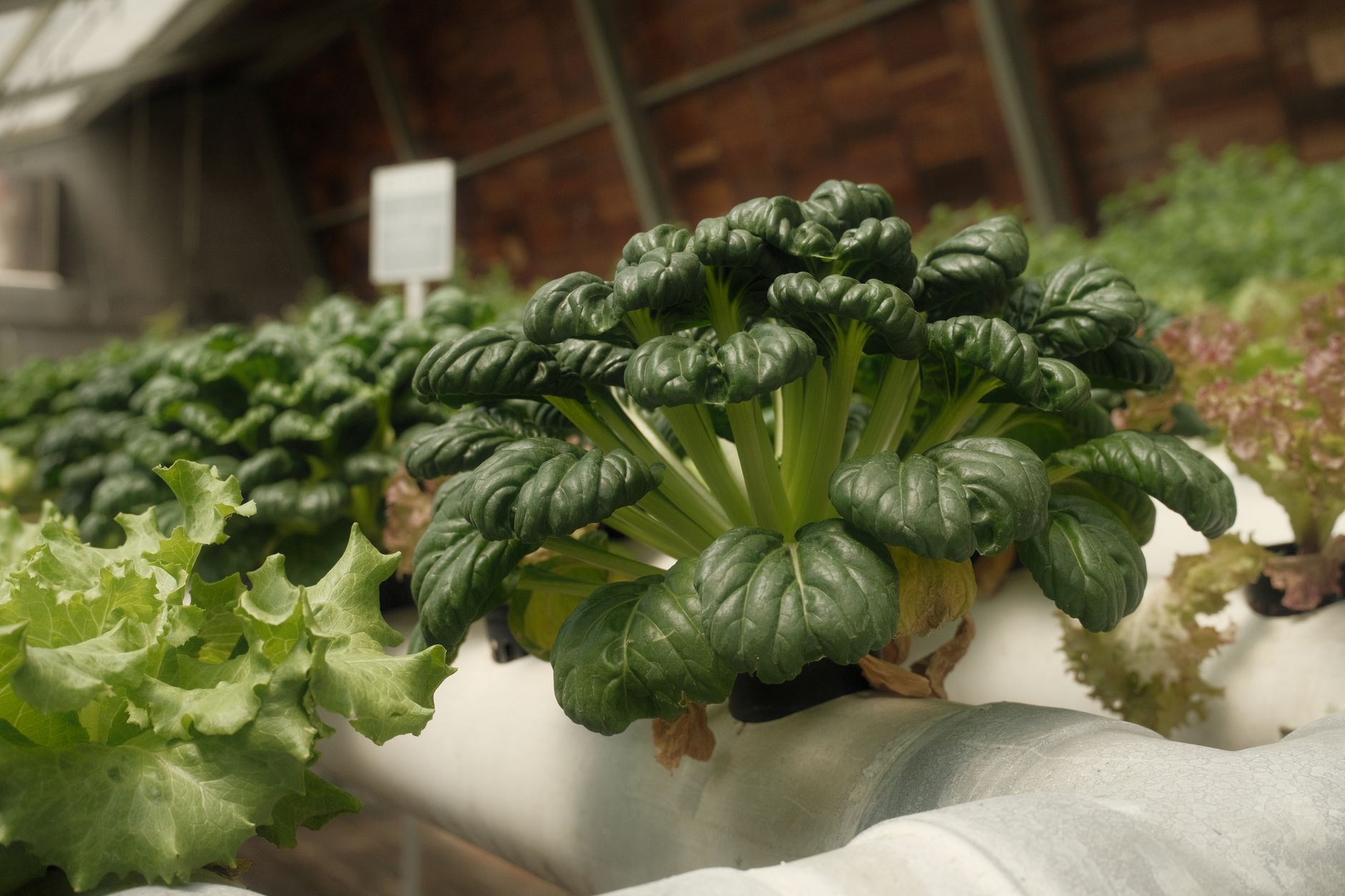
Photo by Leonard Antasari via Pexels.
For hydro and coco growers running hot: insulate reservoirs with reflective bubble wrap or foam board, move pumps outside the reservoir if they're generating heat, use a chiller with a titanium coil for RDWC systems once you're running more than a couple of totes, and elevate pots off hot slab or concrete floors with a thermal break like an XPS foam sheet. Painting outdoor fabric pots white or wrapping black nursery pots in reflective material cuts several degrees off root zone temp on sunny days.
For growers fighting cold root zones, typically in unheated basements, garages, or early-season outdoor plantings: use a submersible aquarium heater with a thermostat in hydro reservoirs, place fabric pots on top of seedling heat mats (not just for germination -- they work for vegetative containers too), and avoid feeding straight from a cold tap; let nutrient solution come to room temperature before use.
Root zone temp swings matter almost as much as the average. A reservoir that cycles from 65°F at night to 80°F under midday light stress is worse than one sitting steady at 72°F. Consistency lets roots maintain stable metabolic rates; swings force constant readjustment and waste energy the plant could otherwise put toward growth.
The Yield and Potency Payoff

Photo by www.kaboompics.com via Pexels.
Dialing root zone temperature into the optimal window doesn't just prevent disease -- it actively accelerates growth. Roots kept in the 68-73°F range develop denser, whiter root mass with more fine root hairs, which directly increases the surface area available for water and nutrient absorption. That translates to faster vegetative bulk-up, quicker recovery from transplant shock, and a finishing plant that can actually use the full nutrient load and light intensity you're throwing at it during flower.
Since cannabinoid and terpene production is fundamentally driven by the plant's overall metabolic capacity and stored carbohydrate reserves, a root system that's never been bottlenecked by heat stress or oxygen deprivation gives the plant more resources to push into resin production during the final weeks. This is compounding: a plant with strong early root development sets a bigger frame, supports a heavier flower load without lodging, and finishes with better density.
None of this replaces good genetics -- starting with quality, well-bred seeds gives you a plant genuinely capable of responding to a well-managed root zone, since some genetic lines simply have more vigorous root systems than others. But even the best genetics will underperform if the roots are sitting in an 80°F reservoir for twelve hours a day. Results still vary by climate, medium, and setup, so treat these ranges as a target to dial in rather than a guarantee.
Root zone temperature is one of those variables that's invisible until it's the reason your grow stalls -- and it's often the missing piece for growers who've already dialed in light, humidity, and feed schedule but still can't break past a yield plateau. A $10 probe thermometer and a bit of insulation or heating gear will do more for vigor and finished weight than almost any other single upgrade you can make this season.
Treat the rhizosphere as its own climate zone, keep it steady in the 65-75°F range depending on your medium, and watch how much easier everything else -- nutrient uptake, pest resistance, flower density -- falls into place.
Photo by Vidal Balielo Jr. via Pexels.