Topping vs LST: Which Training Method Actually Boosts Yield More
Every grower eventually asks the same question: should I top my plants or just bend them into submission? Both techniques manipulate the same biological lever — apical dominance — but they pull it in different ways, at different costs, and with different timelines. After running both methods side by side across dozens of cycles, the honest answer is that neither one wins outright. The real yield gains come from understanding what each technique actually does to the plant, then choosing (or combining) based on your grow space, strain, and timeline.
Genetics still set the ceiling on what training can accomplish — a plant with weak lateral branching or poor stretch response will never yield like a vigorous, well-bred phenotype no matter how you train it, so starting with quality seeds matters as much as the technique itself.
What Topping Actually Does to the Plant

Photo by Jonathan Cooper via Pexels.
Topping removes the apical meristem — the growth tip producing auxin that suppresses lateral bud sites below it. Cut above the 4th-6th node and within 24-48 hours the two nearest lateral branches surge with new auxin flow, effectively doubling your main colas from one to two, then four if you top again on each of those tops.
The tradeoff is recovery time. A healthy plant in vegetative growth typically stalls for 3-7 days post-topping while it redirects resources and heals the wound. Top too late, or top a stressed/nutrient-deficient plant, and that recovery window stretches out and eats into your veg schedule. Most experienced growers stop topping at least 2 weeks before flip to flower, giving the plant time to fully recover and push new growth before the stretch phase begins.
Topping shines when you're running a Sea of Green (SOG) or Screen of Green (SCROG) setup with a fixed canopy area — multiplying colas per plant means fewer plants needed to fill the same footprint, which matters a lot if you're working with a legal plant count limit. It also genuinely increases total bud sites, not just spreads existing growth around, which is the key distinction versus LST.
What LST Actually Does to the Plant
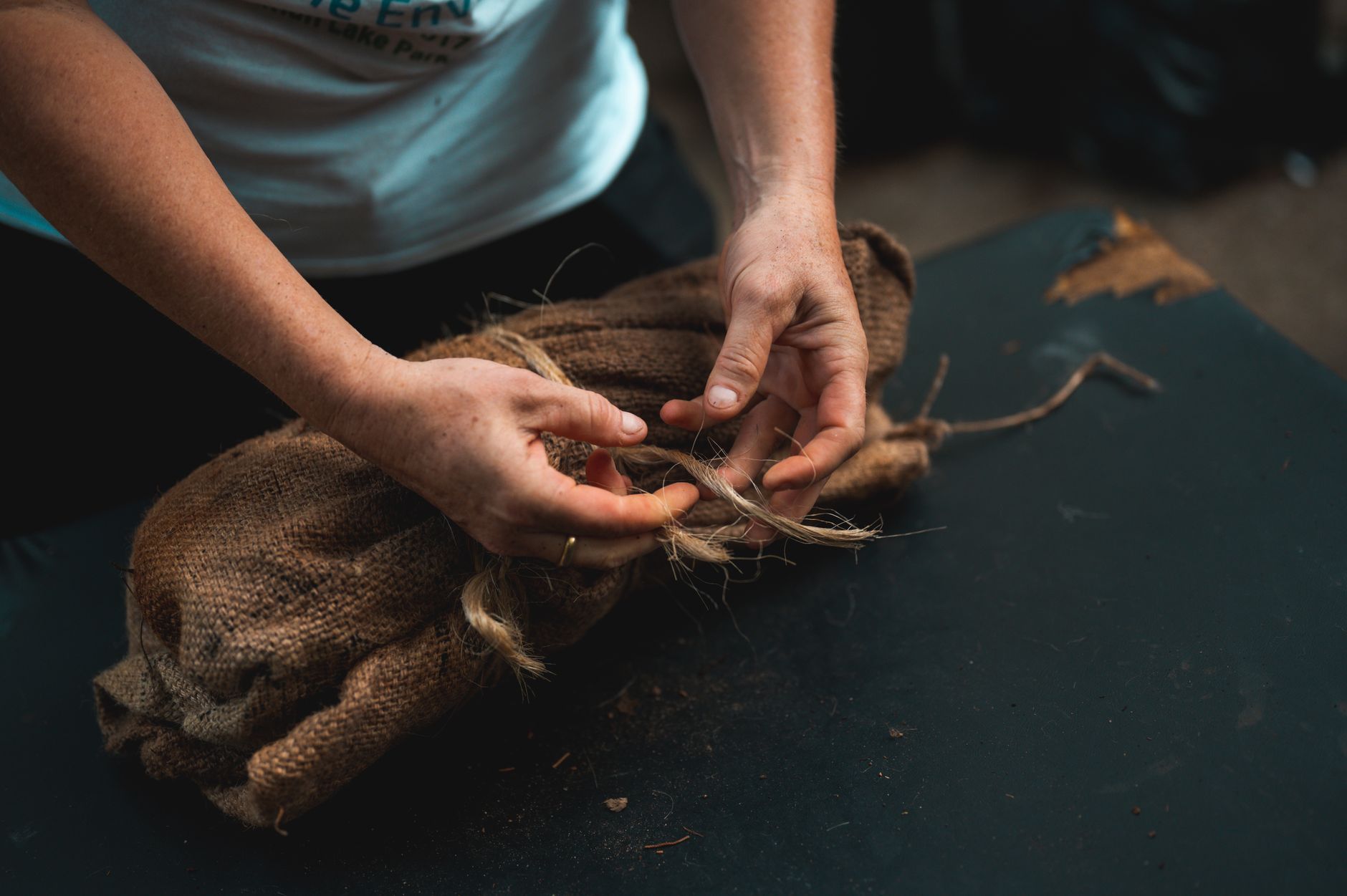
Photo by Alfo Medeiros via Pexels.
Low-stress training (LST) doesn't cut anything — it bends and ties down the main stem and branches to break apical dominance mechanically instead of surgically. By pulling the top down and out, you expose lower bud sites to direct light and even out auxin distribution across the whole plant rather than concentrating it at one tip.
Because there's no open wound and no lost growth tip, LST carries essentially zero recovery penalty. Plants keep growing through the entire process — you're just redirecting where that growth goes. This makes LST the better choice for growers on a tight veg timeline, autoflowering strains (which can't afford the stall topping causes since they don't have unlimited vegetative time to recover), and anyone nervous about stressing a plant they can't easily replace.
The limitation is that LST doesn't create new bud sites the way topping does — it redistributes and evens out the ones already there. On a single untrained plant, LST can still boost yield 20-30% simply by fixing the natural Christmas-tree light distribution problem, where one dominant cola hogs light while six lower branches stay starved and popcorn-y. But it won't multiply colas the way repeated topping does.
Head-to-Head: Yield, Timeline, and Risk
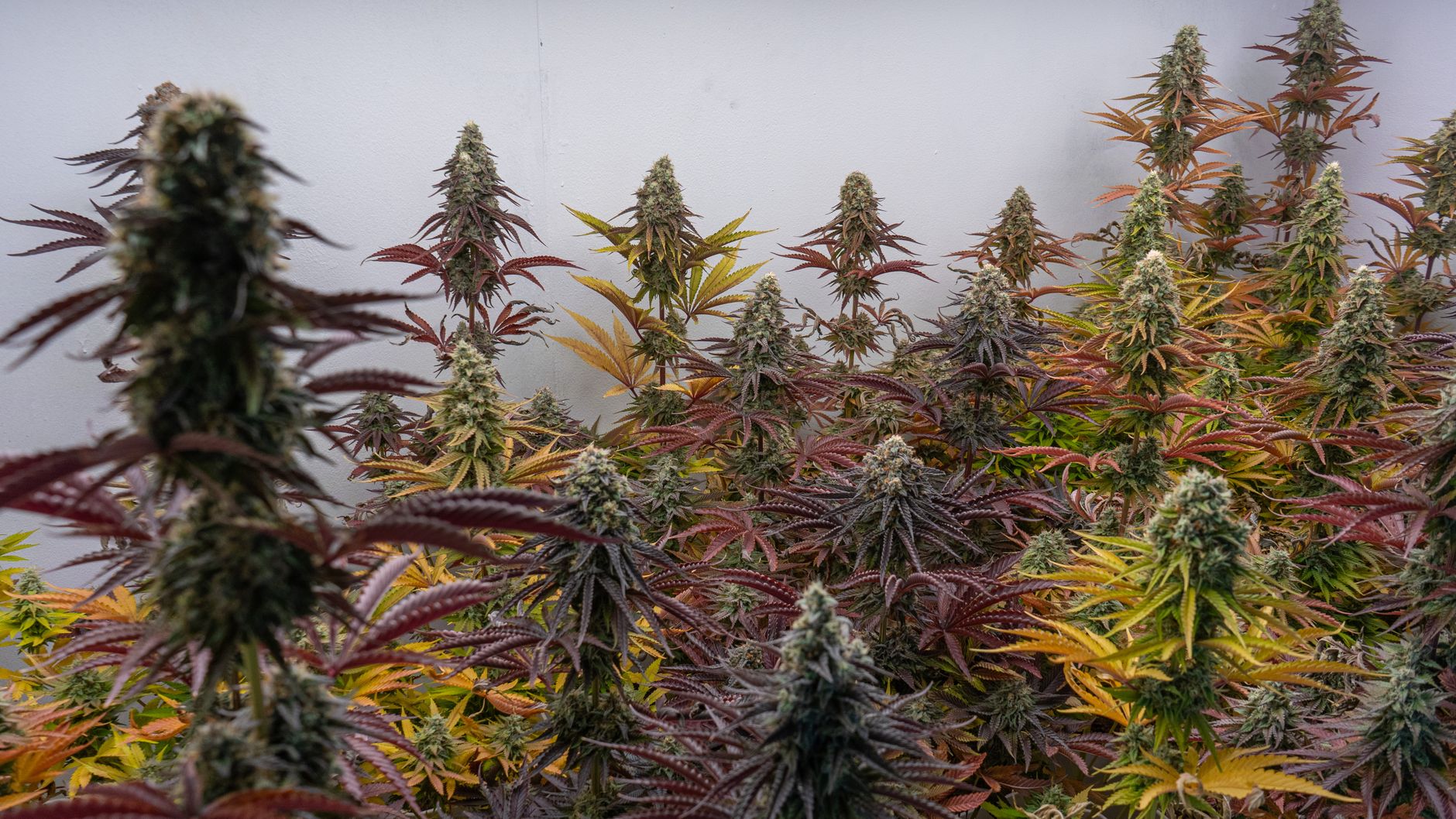
Photo by GB The Green Brand via Pexels.
In controlled comparisons on the same genetics, topped plants that fully recovered before flip typically out-yield LST-only plants by 10-20% in final dry weight, mainly because of the added cola count. But that gain assumes ideal conditions: healthy plant, timely topping, adequate recovery window, and strong light intensity (800+ PPFD in flower) to actually fill out all those new colas. Under weaker lighting, multiplying colas just means more small, airy buds competing for the same photon budget — topping without upgrading your light is a common way growers disappoint themselves.
LST is more forgiving and more consistent. It rarely fails outright, works on virtually every strain and grow style, and adds close to zero risk of infection, hermaphroditism, or stunted growth. For autoflowers specifically, LST is almost always the better call since topping an autoflower during its brief veg window can cost you days you never get back.
Time-to-harvest is another factor: topping adds days to your cycle (recovery time plus the extra time needed for new colas to mature), while LST adds none. If you're running a tight rotation schedule, that difference compounds across cycles per year.
The Combo Approach Most Experienced Growers Actually Use

Photo by MySeeds DE via Pexels.
In practice, the highest-yielding growers rarely pick one method exclusively — they layer them. Top once early (around node 5-6) to create your primary cola split, let the plant recover for 5-7 days, then use LST throughout the rest of veg to manage the resulting canopy: tying down the two new tops to keep them level, opening up the center of the plant for light penetration, and training lower branches upward to catch light they'd otherwise miss.
This combo approach, often paired with a screen (SCROG), gives you the multiplied bud sites from topping and the even light distribution from LST — addressing both limitations at once. It's more labor-intensive and requires daily attention during the training window, but it consistently produces the flattest, most uniform canopy and the highest total flower weight per square foot of any single method.
For growers short on time, FIM (a partial topping cut that leaves some tissue intact) offers a middle ground — more bud sites than LST alone with a shorter recovery than full topping, though results are less predictable since the exact regrowth pattern varies by cut angle and strain.
Choosing the Right Method for Your Setup

Photo by Haley Bee via Pexels.
Match the technique to your actual constraints, not to whatever gets the most hype online. If you're running autoflowers, stick to LST and gentle FIM at most — the veg window is too short to risk a bad topping stall. If you're running photoperiod strains in a SCROG tent with strong lighting and a full 8-10 week veg allowance, topping (or topping plus LST) will maximize your cola count and justify the recovery time.
Outdoor growers with unlimited vertical space and long seasons benefit most from topping combined with mainlining or a manifold structure, since the extra weeks of recovery are irrelevant against a 5-6 month outdoor season and the payoff — huge, evenly distributed colas — is substantial.
Whatever you choose, remember training only pays off when the plant has the genetic vigor and light intensity to fill out the additional bud sites you create. A weak or leggy phenotype trained aggressively still yields a weak, leggy harvest — just with more stems. Results also vary meaningfully by climate, nutrient program, and container size, so treat any specific percentage gain as a general expectation rather than a guarantee.
Topping and LST aren't competitors so much as complementary tools solving different problems — one multiplies bud sites, the other distributes light evenly across them. If you need a single answer: topping generally produces the higher raw yield ceiling when conditions support it, while LST delivers more consistent, lower-risk gains across every setup and skill level. The growers pulling the biggest harvests use both, timed and layered around their specific space, strain, and schedule rather than following either method dogmatically.
Photo by Richard T via Pexels.