Cannabis Use Is Rising Among Adults, Falling Among Teens
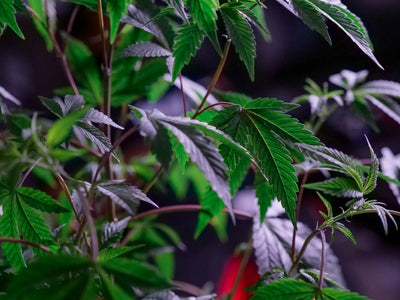
Photo by Askar Abayev via Pexels.
The 2025 National Survey on Drug Use and Health landed this week, drawing on more than 60,000 respondents, and it settles one question while opening a more interesting one. Past-month cannabis use among American adults climbed from 13.2% in 2021 to 15.1% in 2025. In the same window, past-month alcohol use fell from 47.4% to 44.4%, and cigarette smoking dropped from 16.0% to 12.4%. On its face, that looks like the substitution story the cannabis industry has been telling for a decade: weed replaces beer and cigarettes as the culturally sanctioned vice of choice.
Look closer and that story doesn't hold up cleanly. This isn't cannabis broadly displacing other substances across the population -- it's an age split, and a sharp one. Use is rising among adults 26 and older while it keeps falling among teenagers and young adults, a group that legalization's critics always assumed would be the ones flooding into dispensaries once the stuff went mainstream. That's not what's happening. So the real question isn't whether cannabis is winning the intoxicant marketplace. It's what this specific generational divergence tells us about where cannabis actually settles into American life ten years out -- and what would have to change for that trajectory to bend the other way.
What the New Federal Numbers Actually Say

Past-month cannabis use among U.S. adults rose from 13.2% in 2021 to 15.1% in 2025, marking a notable increase in reported use over the four-year period.
Start with what the NSDUH numbers actually say, because the topline figures get repeated more than they get read carefully. Past-month cannabis use among adults 12 and older rose from 13.2% in 2021 to 15.1% in 2025 -- a real increase, but a gradual one, averaging under half a percentage point per year. Alcohol dropped over the same period from 47.4% to 44.4%, and cigarettes fell from 16.0% to 12.4%. Put those side by side and the headline write itself: cannabis up, everything else down. But alcohol at 44.4% past-month use is still nearly three times cannabis's 15.1%. Nobody is overtaking anybody here.
The Teen and Young Adult Collapse

Photo by RDNE Stock project via Pexels.
If the adult-use story is a slow rise, the youth story is closer to a collapse. NORML's July 27, 2026 analysis of federal survey data found past-month cannabis use among teenagers fell 22% between 2022 and 2025, with past-year use down 25% over the same stretch. Young adults -- the 18-to-25 cohort that industry marketing has historically chased hardest -- saw declines too, just gentler ones: past-month use down 10%, past-year use down 12%.
Who's Actually Driving the Adult Increase

Photo by RDNE Stock project via Pexels.
If teen use is falling and young-adult use is falling more slowly, who exactly is responsible for that adult-wide 13.2%-to-15.1% climb? Gallup's numbers point toward a specific slice of the older population, not a broad-based surge. Their 2023-24 combined data put regular cannabis use -- defined as 10 or more days per month -- at 9% of U.S. adults overall, but that figure jumps to 13% among people with a high school education or less, and to 16% in households earning under $24,000 a year.
Why Teens Are Using Less, Even With Legal Weed Next Door

Photo by Cova Software via Unsplash.
The obvious question is why teen use keeps falling when legal dispensaries are now a five-minute drive away in 24 recreational states. It's tempting to credit or blame legalization directly, but there's a cleaner historical parallel: cigarette use among American teenagers fell sharply through the 2000s and 2010s even while tobacco was still legally sold to adults on every corner and marketed aggressively for decades before ad restrictions tightened. That decline tracked shifting perceptions of harm and declining social status of smoking far more than it tracked physical access.
What Schedule III and a Possible Broader Reclassification Change

Photo by SHOX ART via Pexels.
The regulatory backdrop shifted meaningfully in April 2026, when the DEA moved marijuana in FDA-approved drug products and state-licensed medical programs from Schedule I to Schedule III. That's a narrower move than headlines sometimes suggest -- it doesn't touch adult-use recreational cannabis directly. A hearing running through mid-July 2026 has been weighing whether to extend reclassification to the broader recreational market, and as of this writing that outcome isn't settled.
What This Forecasts for the Next Decade of Consumption

Photo by Saul Rivera via Pexels.
String these trends forward and the cannabis market's center of gravity looks less like the youth-driven growth story the industry pitched investors a decade ago, and more like an aging, price-sensitive, high-frequency user base. Gallup's data on regular users skewing toward lower-income, less-formally-educated households isn't a niche footnote -- if it holds, it's the demand curve. That points toward continued strength in low-cost flower, value multi-packs, and accessible edibles rather than the premium, boutique, novelty-format products that dominate cannabis media coverage and trade-show floors.
Put the pieces next to each other and neither of the two stories cannabis policy has run on for the last fifteen years survives intact. The industry's old pitch -- legalize it and a wave of young, high-volume consumers will drive explosive growth -- isn't what the federal data shows; youth use is falling, not rising, four survey cycles running. The prohibitionist's old fear -- that legal weed corrupts kids and normalizes use among the young -- isn't showing up either. Both camps built their arguments around a youth-use assumption that the actual numbers have quietly walked away from.
The more interesting story might not be about cannabis specifically at all. It may be about a broader generational shift in appetite for intoxicants of any kind -- alcohol and cigarettes are falling right alongside teen cannabis use, which suggests something about risk tolerance and social norms among younger cohorts that cannabis policy debates, focused as they are on cannabis in isolation, rarely account for. If that's the real driver, then rescheduling debates modeled on old fears about youth access are aiming at a target that's already moved.
Whatever comes out of the mid-2026 hearing on broader reclassification, it will land on a consumption base that's already been reshaped by these generational currents -- an aging, cost-conscious user base growing slowly, and a youth population that seems to be losing interest in intoxicants generally. Regulators drafting policy today are, in effect, designing for a market that no longer quite exists.
Sources
- 2026 Cannabis Industry Statistics
- Cannabis Consumption in 2026: Trends and Innovations Shaping the Future
- Which generation consumes the most cannabis?
- The Cannabis Consumer Revolution: 7 Surprising Trends Reshaping North America in 2026 - Verdi
- Trends and Patterns in Cannabis Use | Hazelden Betty Ford