

Cannabis in African Traditional Medicine: A Deep History
Cannabis has no evolutionary history in Africa. The plant took shape as a species in the foothills of the Hindu Kush, somewhere across present-day Afghanistan, Pakistan, and Tajikistan, thousands of miles from anywhere it's now considered "traditional." It reached the African continent the way a lot of consequential things did in the ancient and medieval world -- carried by traders moving along routes that connected South Asia to the Arabian Peninsula and down into East Africa. And yet within a few centuries of arrival, cannabis wasn't just present in Africa. It was woven into labor routines, healing practices, and in at least one documented case, an entire religious identity.
That's the paradox worth sitting with before getting into the legal history: a plant that arrived as cargo became, in places like South Africa and the Congo Basin, something closer to cultural infrastructure. It shows up in the accounts of 19th-century porters smoking before a day's work, in the trance practices of sangoma healers, in the daily vocabulary of communities who never framed it as foreign.
What follows traces that arc -- from precolonial adoption and the deep, practical integration of cannabis into African medicine and labor, through the colonial-era criminalization that arrived largely via a 1925 treaty signed in Geneva, to the reforms now underway in South Africa and Morocco, where governments are effectively unwinding rules that were never locally authored in the first place.
How Cannabis Arrived and Took Root in Africa

Photo by Mathias Dargnat via Pexels.
The botanical record is fairly clear on origins: Cannabis sativa evolved in Central Asia, and its westward and southward spread followed established trade corridors rather than any independent domestication event on African soil. Historian Chris S. Duvall, whose work on the plant's African history is among the most detailed available, traces much of its introduction to Arab traders who carried cannabis from India along maritime and overland routes into East Africa and from there inland. Some archaeological and residue evidence out of Egypt has been read as suggesting cannabis reached the Nile Valley as far back as 5,000 years ago, though the more consistently documented cultivation across the broader continent dates to roughly 1,000 years of continuous use.
By the time it reached sub-Saharan communities, cannabis wasn't traveling alone -- it moved with the same networks that carried textiles, metal goods, and Islamic scholarship into the interior. Ethiopia offers one of the clearest early textual anchors: cannabis use among indigenous communities there is documented as far back as the 14th century, predating any European presence by well over 400 years.
What's notable is how quickly the plant stopped being treated as an import. Within a few generations of arrival in a given region, cannabis use in Africa reads less like an introduced novelty and more like an assimilated staple -- something closer to how chili peppers, arriving from the Americas, became inseparable from the idea of West African or Ethiopian cuisine within a couple of centuries. By the time European colonial administrations set up shop across the continent starting in the late 19th century, cannabis was already fully embedded in local medicine, labor culture, and, in specific documented cases, religious practice. Colonizers weren't encountering a plant without context. They were encountering an established tradition with its own internal logic, one they would soon set about dismantling through law rather than persuasion.
Smoke Before the Shift: Cannabis as Labor Medicine

Photo by Ninno JackJr via Unsplash.
European travelogues from the 19th century are a strange but useful archive here, because the writers weren't trying to make an argument about drug policy -- they were just describing what they saw. And what they saw, repeatedly, was cannabis functioning as a workday tool. Porters carrying loads across long overland routes, laborers doing physically brutal work in heat and humidity, would smoke cannabis each morning before starting, treating it less like a ritual substance and more like a functional stimulant, roughly the way a modern laborer might reach for strong coffee.
One of the more specific accounts comes from a British physician in the 1840s who interviewed formerly enslaved Africans who had been liberated from slave ships. Their description of the plant, as he recorded it, called it 'a great promoter of exhilaration of spirits, and a sovereign remedy against all complaints' -- language that reads today almost like an early, informal pharmacopeia entry. It wasn't poetic flourish on the physician's part; it reflected how the people he interviewed actually talked about the plant's role in their daily physical and emotional endurance.
This is worth dwelling on because it complicates a common assumption -- that precolonial cannabis use across Africa was primarily spiritual or occasional. In many documented cases it was neither. It was medicine in the most unglamorous sense: something reached for to blunt pain, sustain energy, and get through a demanding physical day.
The Bashilenge people of central Africa represent the far end of the spectrum -- cannabis wasn't just incorporated into their daily life, it became the organizing principle of an entire religious identity, with the plant treated as sacrament rather than commodity. Between the Bashilenge's religious devotion and the porters' pragmatic morning smoke, you get a picture of a plant occupying nearly every register of daily life -- labor, medicine, and faith -- well before any European legal framework arrived to sort it into categories.
Colonial Bans and the Long Reach of Geneva
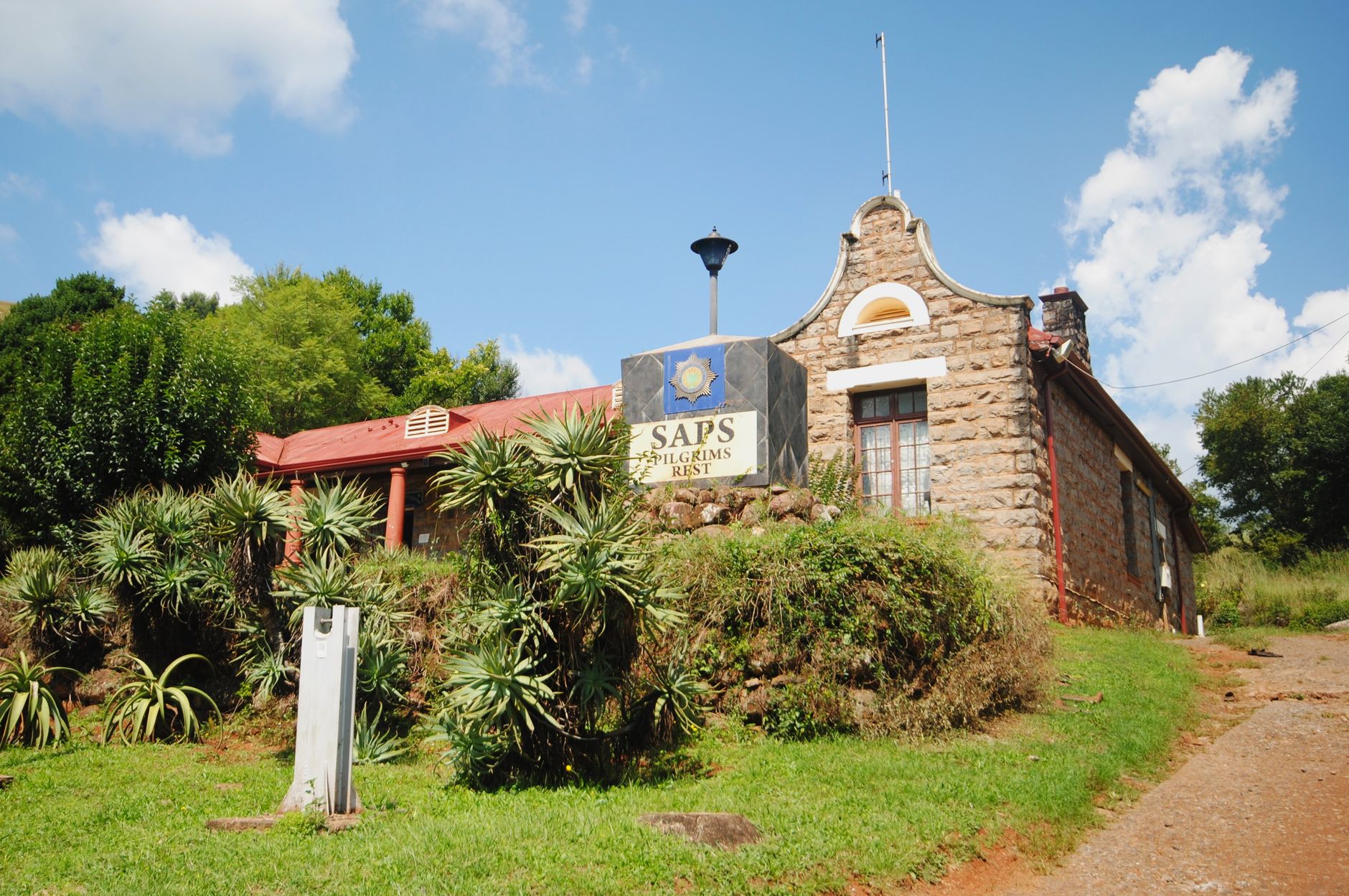
Photo by jann bader via Pexels.
Criminalization in Africa didn't happen all at once, and it didn't originate from a single unified colonial policy. Starting around 1890, individual colonial administrations -- British, French, Belgian, Portuguese -- began independently restricting cannabis cultivation and use in their respective territories, often as part of broader efforts to control labor populations and suppress practices administrators found unfamiliar or inconvenient to their economic interests.
But the decisive turning point came from well outside the continent. In 1925, delegates gathered in Geneva for the International Opium Convention under the League of Nations, and cannabis was folded into a global prohibition framework alongside opium and coca. African cannabis use wasn't really part of that conversation -- the treaty was negotiated by colonial powers and other member states debating drug policy on largely European and Egyptian terms, with African communities' own medicinal and labor traditions treated as an afterthought if they were considered at all.
The effect on the ground was blunt. Practices that had existed for centuries -- sangoma healers burning cannabis to enter a diagnostic trance state, laborers smoking before a shift, the Bashilenge's religious use of the plant -- were now, on paper, criminal acts under frameworks imposed by treaty rather than grown from local consensus. It's an unusual case of prohibition working backward: instead of a law responding to an emerging local problem, an international agreement created a legal category that then got applied retroactively to practices that predated European contact by hundreds of years.
That mismatch -- deep-rooted tradition versus imported legal architecture -- didn't resolve with independence in the mid-20th century. Many newly sovereign African states simply inherited the prohibition statutes their colonial predecessors had drafted, and in several cases those frameworks, or close descendants of them, remain on the books today. The tension between traditional practice and inherited law is still the central fact of African cannabis policy, and it's the backdrop against which today's reform movements in South Africa and Morocco have to be understood.
Sangomas and the Ancestral Role of Cannabis
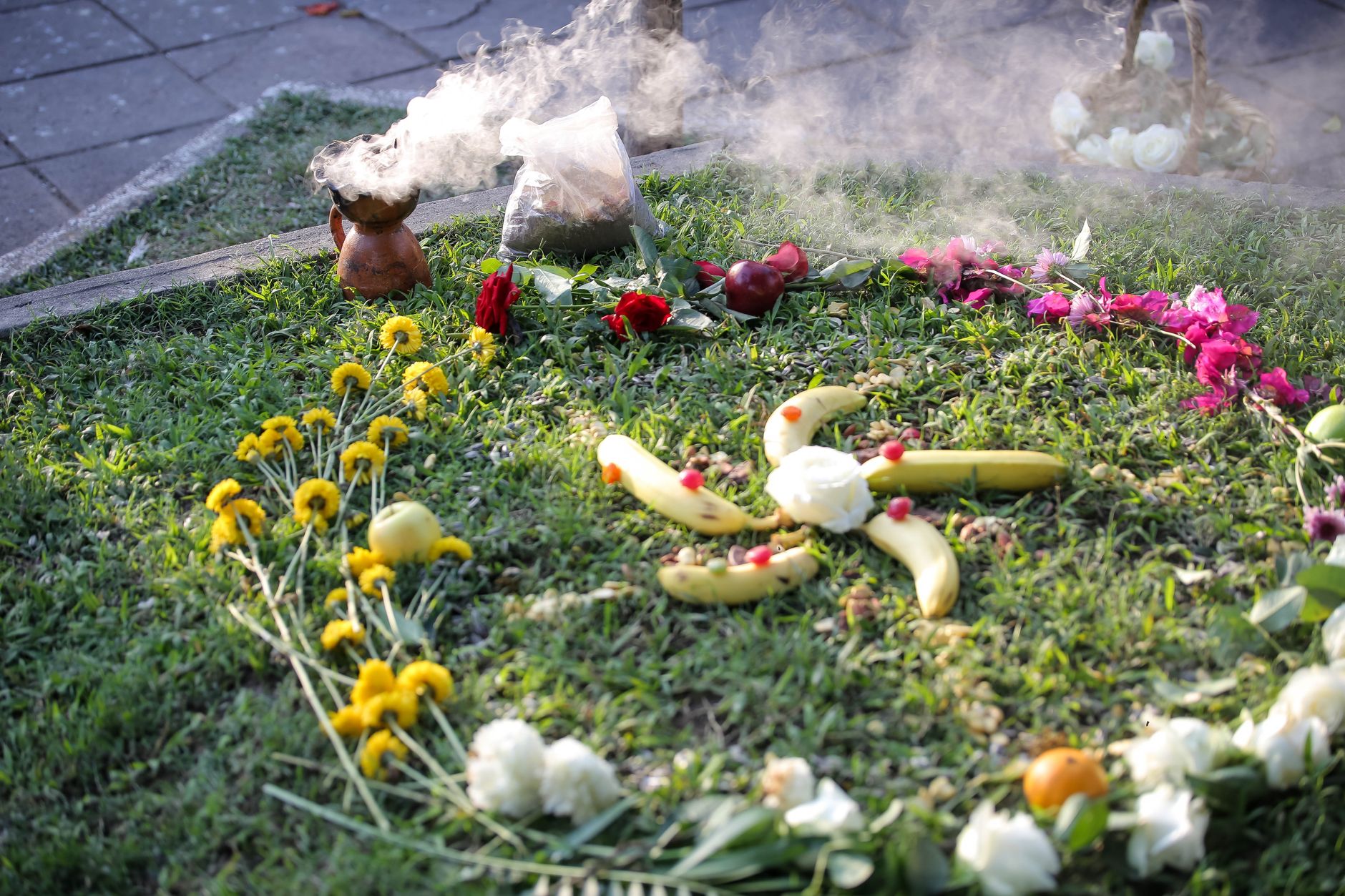
Photo by Jonathan Reynaga via Pexels.
In South Africa, the clearest living link between precolonial cannabis tradition and present-day practice runs through the sangoma -- a traditional healer trained over years of apprenticeship to diagnose illness and communicate with ancestral spirits. For many sangomas, cannabis, known in parts of southern Africa as dagga, is burned or ingested as part of entering the trance state central to their diagnostic work. It's not treated as recreational or even primarily medicinal in the Western clinical sense -- it's a tool for accessing a specific altered state that the healer believes allows ancestral guidance to come through, which then informs how they treat a patient.
This isn't a fringe or historical curiosity. The Traditional and Natural Healers Association of South Africa represents a membership numbering in the thousands, healers for whom cannabis has functioned as a working part of practice for what association leaders describe as hundreds of years of continuous tradition. That scale matters for how the legal conversation has unfolded -- this isn't a handful of practitioners petitioning for a niche exemption, it's a substantial, organized professional body with deep roots in South African healthcare, particularly in communities where sangomas remain a primary point of contact for illness and diagnosis.
The association has been notably vocal in legalization debates, and its framing is distinct from typical drug-reform advocacy. Rather than leading with arguments about recreational rights or economic opportunity, the association has positioned cannabis access as a cultural and religious rights issue -- comparable, in its own framing, to protecting any other long-standing indigenous ceremonial or medicinal practice from external legal interference. That argument has given South African reform a different texture than legalization debates elsewhere, one where the cultural continuity claim carries as much weight in public discussion as the economic or medical ones. It's reframed cannabis, in the national conversation, less as a substance to be managed and more as a medical instrument belonging to a specific, still-practicing healing tradition.
South Africa's Legal Turnaround
Photo by Sayeed Chowdhury via Pexels.
South Africa's legal history with cannabis over the past three decades reads like a slow reversal, one incremental ruling at a time. Under the 1992 Drugs and Drug Trafficking Act, cannabis sat in Schedule 7, the country's most restrictive drug classification, grouped with substances considered to have no accepted medical use and a high potential for abuse -- a category that left essentially no room for sangoma practice or medical research to operate legally.
The first real crack came in 2017, when the South African Health Products Regulatory Authority (SAHPRA) reclassified cannabis down to Schedule 4, a category that allowed for regulated medical access and eased the path for research and prescription use. Then in 2018, South Africa's Constitutional Court issued a ruling that adults could legally cultivate and use cannabis privately in their own homes -- a landmark decision, though it stopped short of establishing any legal commercial market, leaving cultivation for sale still restricted.
That gap between private legality and commercial restriction persisted for six years until May 29, 2024, when the President signed the Cannabis for Private Purposes Act (CPPA) into law, formalizing and expanding the private-use framework the Constitutional Court had outlined. Getting there wasn't a straight line -- the bill went through five iterations before passing in early 2024, a process pushed forward largely by advocacy groups Fields of Green for All and the Traditional and Natural Health Alliance, with advocate Anthony Rees serving as a persistent public voice pressing lawmakers to close the gap between the 2018 court ruling and actual statute.
SAHPRA has continued adjusting the regulatory side in parallel, proposing further Medicines Act schedule changes published in Government Gazette No. 50001 on January 15, 2024. Laws in this space are still moving, and readers with a direct stake in South African cannabis regulation should treat any snapshot -- including this one -- as a starting point for further checking rather than a final word.
Morocco, Lesotho, and Africa's Export Ambitions
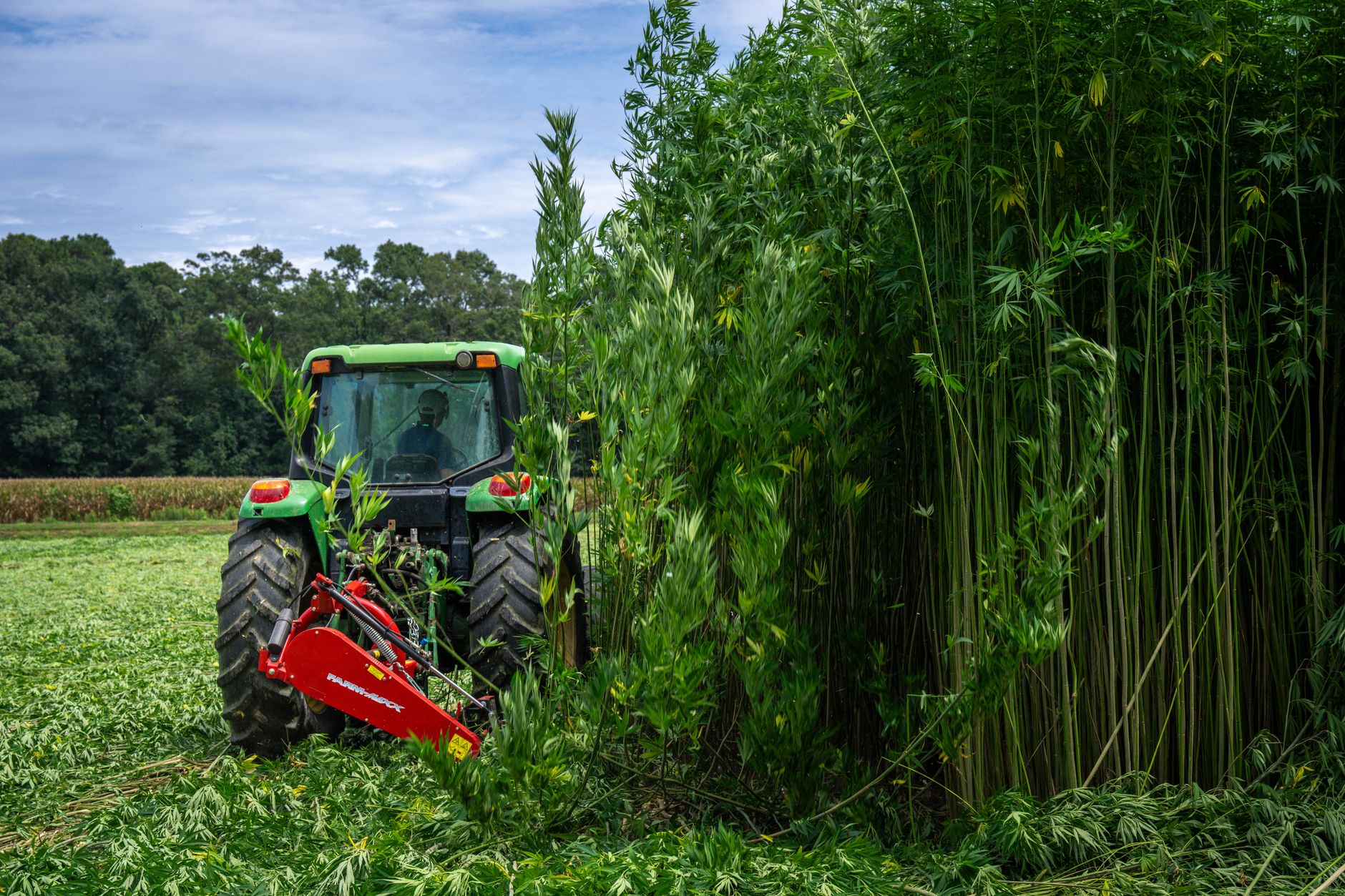
Photo by Mark Stebnicki via Pexels.
Morocco offers a different but related story -- less about court rulings and constitutional rights, more about formalizing a cultivation tradition that predates any of the current legal debate. Cannabis has been grown in the Rif region of northern Morocco for generations, long tolerated informally even as national and international law nominally banned it. In 2021, Morocco legalized cultivation for medical and industrial use, effectively bringing that centuries-old regional practice into a regulated, taxable framework rather than inventing a new industry from scratch.
Lesotho has taken a comparable but more export-focused path, positioning itself as one of Africa's earliest movers in licensed cannabis production aimed squarely at international medical markets rather than domestic sale. Both Morocco and Lesotho represent the same underlying move: converting cultivation that already existed, whether formally documented or quietly tolerated, into a regulated industry built for export revenue.
That's not the story everywhere on the continent, though. A 2022 systematic review published in PMC (PMC9225416) notes that despite cannabis's deep societal and historical presence across much of Africa, a number of states remain what the review terms traditional prohibitionists -- countries where colonial-era criminalization has simply persisted with little movement toward reform, regardless of how embedded the plant may be in local medicinal or cultural history.
The same review points to a broader shift in how African governments are engaging with cannabis policy more generally -- increasingly through the lens of public health, human rights, and economic development, rather than purely as a matter of criminal law inherited from a colonial statute book. That framing shows up in international drug policy dialogs where African nations are participating more actively than they historically did in shaping global cannabis conventions, rather than simply having those conventions applied to them, as was the case in Geneva a century ago. The split between reform-minded states and prohibitionist ones isn't random -- it largely tracks which countries have actively revisited their colonial-era drug statutes and which have simply left them in place by default.
It's worth being precise about what's actually happening in South Africa and Morocco right now, because "legalization" makes it sound like something new is being created. Mostly, it isn't. The Constitutional Court ruling in 2018, the CPPA in 2024, Morocco's 2021 cultivation framework -- these are largely acts of undoing, dismantling a prohibition regime that arrived via a 1925 treaty negotiated in Geneva by parties who weren't accounting for sangoma practice or Rif cultivation traditions at all. The law is catching up to a plant that never actually left African medicine and labor culture, even during the decades it was formally illegal.
What's interesting about the current political moment is how often the cultural-continuity argument and the trade-revenue argument are landing on the same lawmakers' desks at the same time. A sangoma making the case that cannabis access is a religious and cultural rights matter, and an entrepreneur in Lesotho pitching cannabis exports as a development strategy, are making structurally different arguments -- but they're both asking the same governments to formalize what colonial law had criminalized, and increasingly they're getting a hearing together rather than separately.
None of this is settled, and it's changing country by country and year by year. Anyone with a personal, medical, or commercial stake in African cannabis law should treat this history as context, not as a current legal reference -- and go check the specific statute in the specific country before assuming anything about what's actually permitted today.
Sources
- African Perspectives on Cannabis: Historical Significance and Current Developments - FloraFlex Media
- Cannabis in Africa: From Ancient Arrival to Modern Legalization - Kanab
- Traditional African Medicine & Worship – CannabisKenya.com
- Historical Use of Cannabis in African Cultures | Dacha Wellness
- Traditional and Modern Health Uses of Cannabis sativa L. in Africa and Its Phytochemical and Pharmacological Profile | Springer Nature Link (formerly SpringerLink)
Photo by Yan Krukau via Pexels.


