Kanak Land Rights and Hemp Pilots in New Caledonia
Photo by HubertPhotographer via Pixabay.
Kanak customary land is a documented, contested, administratively complicated reality. A hemp pilot project on that land is, on the evidence I could gather, something else: a topic without a source.
No hemp or cannabis pilot, law or authorization in New Caledonia could be confirmed. No hectares, no dates, no named participants. So this article does not pretend otherwise. It separates what the record supports about customary land from what remains an open question about hemp.
There is still a useful angle here. If hemp ever reaches customary land, agronomy will be the easy part. The land system will decide who controls the crop, who signs off, and who benefits.
Key takeaways
- About 300,000 hectares of Grande Terre is customary land, roughly equal to the island's privately owned land, per an older source.
- ADRAF registered about 125,000 hectares to Kanak clans over roughly 20 years, but many claims remain outstanding.
- No source reviewed confirms a hemp pilot in New Caledonia, so any such claim stays unverified until a primary source appears.
What Is Actually Confirmed About Hemp

Photo by NickyPe via Pixabay.
Start with the blunt finding. In the research reviewed, no hemp or cannabis pilot, law or regulation in New Caledonia could be confirmed. The only land source found does not mention hemp at all, and it is probably dated.
The gaps are specific. No hectares, start dates, named participants or project status turned up. No deliberation in the Congrès, no role for the Sénat coutumier, and no authorization of industrial hemp cultivation was located.
One legal question was also left unchecked: how French cannabis and hemp rules apply in New Caledonia. The territory holds its own competence over many areas, but the specifics for this subject need verifying. I will not guess at them.
So the working rule is simple. Treat any claim of a hemp pilot on customary land as unconfirmed until the Journal Officiel de la Nouvelle-Calédonie, gouv.nc or an official body confirms it. A rumor repeated in a social post is not a source. Neither is an enthusiastic press line without a named project behind it.
How Kanak Customary Land Works

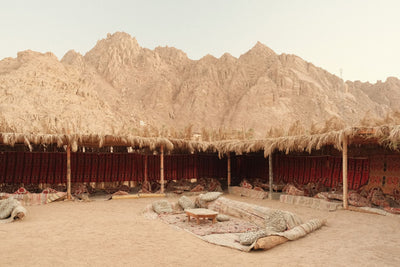
Photo by Sébastien Vincon via Pexels.
What the land record does support is substantial. An older source, which may be outdated, puts customary land at roughly 300,000 hectares of Grande Terre. That is about the same as the privately owned land on the island.
Much of that figure has been built through ADRAF, the New Caledonian land agency. Over roughly 20 years it registered about 125,000 hectares to Kanak clans. Most came from land identified as public, with some redistributed from private holdings.
The key point is who holds the land. Customary land belongs to clans, not to individuals. Under the framework that grew out of the Nouméa Accord, it is generally described as inalienable and non-transferable. Readers should verify the current legal wording, since details can change.
The clan is the landholding unit, and that shapes every decision. Use of a plot is not settled by one owner signing a lease and collecting rent. Decisions run through collective consultation within and among clans, along with customary authorities. A project that treats this as paperwork to be cleared quickly will misunderstand how the land actually works.
For any farming venture, hemp included, that means time, relationships and consent come before planting.
Stalled Claims and the Missing Registry
Registration is not a finished story. Kanak representatives have said that claims stalled after submission to ADRAF, and that many remain outstanding. The older report describing this does not give a current count, so treat the scale as unknown.
A second gap sits underneath the first. A provision for a customary land survey and registry, meant to help resolve land disputes, had not been implemented as of that report. Whether that has changed is something to check, not assume.
Why does this matter for agriculture? Unclear boundaries make any land-use project harder to plan, finance or insure. A lender wants to know exactly what is being farmed and who can bind the landholders. An insurer wants the same. Where boundaries are disputed or undocumented, both get cautious fast.
The same report, a UN human rights report on the Kanak people, links land-based projects to employment opportunities for Kanak clans. I could not determine which project it meant, and nothing in the material connects it to hemp. It does show that land-based economic activity is framed as a route to clan employment. That is the lens a hemp proposal would be judged through.
What a Hemp Pilot Would Have to Clear
A hypothetical pilot would face three sets of questions. None of the answers below are findings. They are items to verify.
Regulatory first:
- Which authority licenses cultivation, the territory or France?
- What THC limit and approved seed varieties apply?
- Do French rules carry over, or does the territory set its own?
Land second:
- How would clan consent be obtained and documented?
- What role would customary authorities such as the Sénat coutumier play?
- Could a farming structure suited to customary land be used? This is a question to verify, not a finding.
Economic third:
- Is there processing capacity on the island, or would raw material leave?
- What would shipping from a Pacific island cost?
- Would revenue actually return to the clans?
Then comes the ownership model. An outside investor leasing land to grow hemp is a very different arrangement from clan-led cultivation. In the first, the crop is the point and the clan is a landlord. In the second, the clan sets the terms. Control over those terms is what decides whether a project serves Kanak communities, and the crop is almost secondary.
Where to Look Next
Anyone chasing this story should begin with primary sources. Search the Journal Officiel de la Nouvelle-Calédonie and gouv.nc for chanvre and cannabis rules. If a pilot has legal footing, it should leave a paper trail there.
Local coverage comes next. Les Nouvelles Calédoniennes, NC la 1ère and RNZ Pacific are the obvious outlets to check for reporting on hemp, customary land or agricultural projects.
Then pick up the phone. ADRAF can speak to registration and claims. The Sénat coutumier can speak to customary consent. The Chambre d'agriculture can speak to what farmers are actually being licensed or advised to grow.
One more piece of context was not checked. The post-2024 political situation, including the unrest and the Bougival accord talks, may tie customary land and governance questions to any new agricultural policy. The research did not examine that, so no claim is made here. But a reader should expect land and political status to be entangled in any new economic initiative.
The honest finding is an absence. There is no verified hemp pilot in New Caledonia, only a land system that would govern one. Readers should treat unsourced claims with caution, especially any that name hectares or partners without a document behind them.
Whatever happens with hemp, the test is whether Kanak clans set the terms and share the returns. A crop grown on customary land under someone else's conditions would repeat an old pattern. Laws change, so check current specifics with official sources before relying on anything here.
Sources
- The situation of Kanak People in New Caledonia
- Development of Tribes’ Commons in New Caledonia. Negotiation Over Kanak Land for Urbanization
- Conservation International New Caledonia
- Full article: NOvation and Indigenous struggle for land: Club Med’s failure in New Caledonia
- Project MUSE - The Kanak Awakening
- Land Reform, Conflict and Local Development on “Grande Terre”