Qom Communities and Chaco's Hemp Fiber Pilot Question
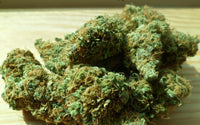
Photo by Hagar Lotte Geyer via Unsplash.
Search for a Chaco Province hemp fiber pilot involving Toba/Qom communities and you will find a flag, not a permit. The one source surfaced during research for this piece was a blog post about the Qom flag. It says nothing about hemp, licensing or provincial policy.
So the premise, as pitched, links three things that no verified source connects: Qom communities, Chaco Province and hemp fiber permits. This article says that up front rather than burying it.
What follows is a guide to the legal and historical ground any real pilot would stand on, not a report of one that exists. It separates what is documented from what is open, and ends with a practical list of places to check current status. Laws and programs change, so confirm specifics with official sources before relying on anything here.
Key takeaways
- No sourced reporting confirms Chaco has issued hemp fiber pilot permits or that Qom communities participate in one.
- Argentina's hemp rules sit under national Law 27.669 and the regulator ARICCAME, so provincial pilots depend on that framework.
- Prior consultation under ILO Convention 169 is the test any Qom-linked hemp project should be measured against.
What Is Confirmed, and What Is Not
No sourced reporting reviewed for this article confirms that Chaco Province has issued a provincial hemp fiber pilot permit. None confirms that Toba/Qom communities are taking part in any hemp project, whether for fiber, seed or anything else.
Several related questions also remain unverified:
- Whether any permit has been issued at all, and to whom.
- Which agencies, provincial or national, would be involved.
- The current regulatory status of any hemp measure in Chaco.
- Whether any community consultation has taken place.
The easy move would be to fill those gaps with plausible-sounding detail: a hectare count, a ministry name, a quote from a community leader. This piece declines to do that. An invented specific is worse than an admitted blank, because it travels, gets repeated and ends up treated as fact.
Laws and pilot programs also move quickly in Argentina's cannabis sector. Anything described here as unconfirmed may have changed by the time you read it, so verify with official sources.
Argentina's Hemp Framework: Law 27.669 and ARICCAME

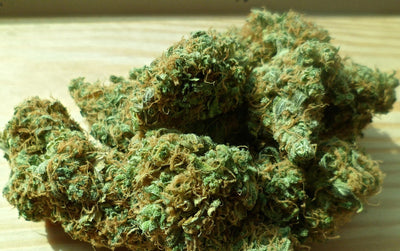
Photo by NickyPe via Pixabay.
The national starting point is Law 27.669, which sets a framework for the regulated development of the medicinal cannabis and industrial hemp industry in Argentina. It created ARICCAME, the national regulatory agency that oversees the sector under that framework.
Industrial hemp, meaning plants grown for fiber, seed or other non-medicinal uses, is handled inside this national structure. That matters for a fiber pilot. Whatever happens in a province, the baseline rules on who may cultivate, under what authorization, come from the national level.
The open question is how far provinces can go on their own. Can a provincial government authorize a pilot independently, or must it run through ARICCAME authorization? I cannot answer that from the sources available, and the answer depends on the current text of the regulations. Anyone reporting on a Chaco permit should ask this first.
INTA, the national agricultural technology institute, is a common venue for crop trials in Argentina, and hemp trials are the kind of work it could host. Whether INTA has run or planned any in Chaco is unconfirmed. Treat it as a lead to check, not a finding.
Qom Communities in Chaco: Land, Labor and Cotton

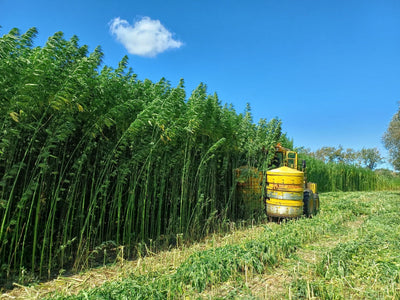
Photo by Mark Stebnicki via Pexels.
The Qom, also called Toba, are one of the major Indigenous peoples of the Gran Chaco, and Qom communities live in Chaco Province. Any hemp conversation there has to start with land and labor, not the plant.
The closest fiber-crop precedent is cotton. Indigenous workers, Qom among them, were drawn into Chaco's cotton economy, largely as seasonal and wage labor on land they did not control. That history is documented, and it is the lens through which many communities would reasonably judge a new fiber crop.
It is also tied to violence. The Napalpí massacre took place in Chaco in 1924, targeting Indigenous people, including Qom and Moqoit. An Argentine federal court later recognized it as a crime against humanity. The details of that ruling should be checked against primary sources before anyone cites them.
At the provincial level, the Instituto del Aborigen Chaqueño (IDACH) is the Indigenous affairs body. Its current role and powers should be verified rather than assumed.
One point needs stating plainly. No verified source documents a traditional Qom relationship with cannabis, and this article does not imply one. Any hemp project involving Qom communities would be a contemporary economic question, not a continuation of an ancestral practice.
Consent and Consultation: The Standard a Pilot Would Face
Argentina ratified ILO Convention 169, which requires governments to consult Indigenous peoples in a free, prior and informed way on measures that may affect them. Article 75, clause 17 of the national Constitution adds recognition of Indigenous peoples' preexisting ethnic and cultural identity and of their community land possession.
For a crop project, meaningful consultation has concrete content:
- Land use: which land would be planted, and whether it is community land or land under dispute.
- Crop ownership: who owns the harvest and any processing.
- Benefit sharing: how revenue, jobs and know-how are divided.
- The right to decline: consent that cannot be refused is not consent.
No coverage reviewed documents a consultation on a hemp pilot in Chaco. That absence is not proof none happened, but it means nobody should claim one did.
There is also a difference worth holding onto. A community invited in as grower or partner, with a say in the terms, stands in a very different position from one that simply lives near a pilot site and sees the fields go in. Proximity is not participation, and a pilot that blurs the two should be questioned.
How to Check Where This Stands
If you want to know where this actually stands, work through the primary sources in this order:
- ARICCAME: check its published resolutions and any registry of authorized hemp growers.
- Chaco's government: search the legislature's bill records and the provincial Ministry of Production for hemp measures.
- INTA: look for trial announcements in Chaco and the wider Gran Chaco region.
- Qom organizations and NGOs: ask for the community perspective, and look for any documented consultation.
Each step can confirm or kill a claim quickly. A resolution number, a bill file or a signed agreement is checkable. A press mention is not.
The working rule is simple. Treat any claim of a permit or of Qom participation as unconfirmed until it is tied to a named document or agency. Secondhand repetition, however confident, does not meet that bar.
The honest answer today is that Qom communities and Chaco hemp fiber permits are an open question, not an established story. Nothing reviewed shows a permit, a Qom-led project or a consultation.
If a pilot does emerge, the permit will not be the measure of it. Ask who holds the land, who owns the crop and whether Qom communities said yes before the first seed went in. Given what cotton meant in Chaco, those answers will decide whether hemp looks like opportunity or like a familiar pattern.
Sources
- Banderas de Argentina y de todo el mundo
- Barrio Qom. Barrio Toba de Derqui - Parte 1 - YouTube
- Comunidades Qom producen algodón agroecológico en Chaco
- Pueblo toba
- Pueblo Toba (Qom): Ubicación, Vestimenta, Vivienda, Alimentación y Cultura. - Pueblos Indigenas
- fibra óptica en el impenetrable. chaco 100% conectado