Texas Hemp THC Rules: What Retailers Must Do Now
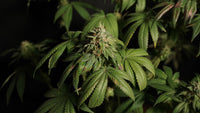
Photo by CRYSTALWEED cannabis via Unsplash.
A Texas hemp shop can follow every state rule on the books and still be stocking products that fall outside the federal definition of hemp within weeks. That is the retailer's problem as of late November 2026, and it comes from three layers of regulation that do not move in step.
The first is DSHS registration, which controls whether a location may sell consumable hemp at all. The second is TABC's age and ID rules for permit holders. The third is Section 781 of H.R. 5371, a federal change that narrows what counts as hemp, with the sharpest cut arriving December 11, 2026.
One caution before the details. This piece rests on secondary sources, mainly compliance blogs, law-firm notes and retailer guides, because primary documents from DSHS, TABC and the Legislature were not available to me. Litigation is pending and dates have already shifted once, so check everything against DSHS, TABC and a Texas attorney before you act.
Key takeaways
- Texas retailers now face DSHS registration reported at about $5,000 per location, up from roughly $150, plus Texas Online fees.
- Texas counts THCA toward total THC, so THCA flower cannot meet the 0.3% dry-weight limit.
- A federal total-THC hemp definition reportedly starts December 11, 2026, so some Texas-legal products may no longer be federal hemp.
The $5,000 Registration Fee and Who Needs It
DSHS rules published March 31, 2026 reportedly raised the annual retail hemp registration fee from roughly $150 to $5,000 per location, plus Texas Online fees. One compliance source puts the figure at $5,150 per location per year. The gap likely reflects those added fees, though that is not confirmed, so read the current DSHS fee schedule before budgeting.
The registration requirement itself is broad. Every location that sells consumable hemp products must register with the Texas Department of State Health Services. The cited authority is Health and Safety Code Chapter 443 and 25 Texas Administrative Code Chapter 300.
A TABC permit does not stand in for that. A bar, restaurant or package store holding a TABC permit still needs DSHS registration at each location where it sells hemp. Having one credential does not cover the other.
The fee is charged per storefront, and that changes the arithmetic. A single-shop owner with healthy volume can absorb $5,000 a year. A chain with several locations is looking at a bill that multiplies with every storefront before a single product moves, and the weakest stores may no longer justify a registration.
Low-volume sites are where owners will feel it first. A counter that sells a few CBD tinctures a week has a hard time covering a fee that size. Some operators will consolidate hemp sales into fewer locations rather than register everywhere.
Age Checks, TABC Rules and the Smokable Hemp Fight
TABC's hemp rules bar licensees and permit holders from selling consumable hemp to anyone under 21. They also require a check of a valid government photo ID on each sale. Each sale means each sale: a regular customer you know by name still gets carded.
The agency adopted these as emergency rules in September 2025 and made them permanent in January 2026. Retailers who treated the emergency version as temporary should note that it is now settled rule.
Smokable hemp is the murkier piece. A ban on selling smokable hemp was reported to take effect March 31, 2026. A June 10, 2026 news item then said the rule was back in effect, but enforcement was unclear, and the rules remain in effect while a lawsuit against them is pending.
That is an awkward place to run a business. A rule that is technically live but inconsistently enforced is not a safe harbor, and one enforcement push can change the picture overnight.
Do two things. Ask counsel what the current enforcement posture is, in writing if possible. Then look at the litigation docket yourself, including the appellate hearing that one guide reports was canceled on November 5. That source gives no detail on why, so treat the cancellation as a lead to verify, not a fact to build on.
THCA Flower, Delta-8 and What Texas No Longer Treats as Hemp
Texas counts THCA toward total THC under its 0.3% dry-weight limit. THCA flower, which is rich in the acid form that converts to THC when heated, cannot pass that test. The standard has been enforced since March 31, 2026.
Converted cannabinoids face a separate problem. Since July 31, 2026, delta-8, delta-10 and similar compounds are reportedly no longer treated as lawful hemp in Texas. The source ties this to a May 2026 Texas Supreme Court decision upholding DSHS's authority. I could not confirm the case name or exact date, so pull the opinion before citing it to a landlord, lender or customer.
The consequence is steep. Non-delta-9 tetrahydrocannabinols are Schedule I controlled substances in Texas. That puts leftover delta-8 stock in a different category from a product that is merely out of compliance on paperwork.
Online sellers should read the next point carefully. Texas controlled-substance law applies to products delivered to Texas addresses, wherever the seller is located. A website based in another state does not escape Texas law by shipping across the line.
For brick-and-mortar shops, the practical task is inventory. Product bought in the pre-ban market can sit in a back room for months, and it is a real liability. Audit it product by product, sorting by cannabinoid type and by total THC including THCA, and decide what stays on the shelf before someone else decides for you.
Section 781 and the Federal Two-Step Deadline

Texas hemp retailers face two federal deadlines just 29 days apart: the THC-O/HHC exclusion takes effect Nov. 12, 2026, followed by the new total-THC definition on Dec. 11, leaving little time to adjust inventory.
The federal change sits in Section 781 of H.R. 5371, formally the Continuing Appropriations, Agriculture, Legislative Branch, Military Construction and Veterans Affairs, and Extensions Act of 2026. It redefines hemp to exclude products with intoxicating levels of THC, replacing the 2018 Farm Bill definition.
The effective date is reportedly split into two stages. Here is how the sources lay them out:
- November 12, 2026: cannabinoids the plant cannot produce naturally, such as THC-O and HHC, lose federal hemp status.
- December 11, 2026: hemp is measured by total THC, including THCA. A finished product over 0.4 mg total THC per container is no longer hemp.
Be careful with older material. The Texas State Law Library page that cites November 12 as the date was written before the delay, is about a year old, and is partly outdated. Spencer Fane's article describes the change as originally scheduled for November 12, which fits the split. Do not rely on any one page, and confirm the staging in the statute text.
The 0.4 mg per container threshold is the number to memorize. Products at or under it remain hemp, which covers most CBD oils and topicals. Those lines are far less exposed than anything built to get a person high.
The December step is the one that reshapes shelves. Counting THCA and capping the finished container, not the plant, removes the loopholes that the intoxicating hemp market grew up on.
THC Drinks, Bars and Products That Are Legal Texas-Side but Not Federal Hemp

Photo by Siwawut Phoophinyo via Unsplash.
Hemp-derived delta-9 THC beverages are the clearest test case. One retailer guide says compliant versions could still be sold in Texas as of Nov. 11, 2026. That is a statement about Texas rules, not about the federal definition.
From December 11, a product can be legal in Texas yet fall outside federal hemp. Texas bars and restaurants selling THC drinks face that December 11 deadline. Gummies, edibles and THCA flower are also named as likely falling outside hemp under the federal change, since nearly all intoxicating hemp products would stop qualifying.
What that means in practice is a question of downstream parties, and here I am describing risk, not reporting actions. Payment processors often write their terms around what is legal federally. Distributors may stop carrying products that no longer meet the hemp definition. Interstate shipping gets harder to defend when the product is no longer federally hemp.
None of those partners has to wait for a Texas enforcement action. A processor can tighten terms, or a distributor can drop a line, without a single inspector visiting a store.
A bar that built a menu around THC seltzers should ask its supplier directly how each can fits the new standard. Do not assume that a clean DSHS registration answers a federal question. It answers a different one.
A Retailer Checklist Before December 11

Photo by Cova Software via Unsplash.
Work through this in order, starting now rather than the week of December 11:
- Registration. Confirm DSHS status for every location. Consider whether renewing sites that will stop selling hemp makes sense. That is advice from a compliance vendor, not a legal requirement.
- Age and ID. Check procedures at every register against TABC's under-21 rule and the photo ID check on each sale. Train part-time staff too.
- Inventory. Audit by total THC including THCA, and by cannabinoid type. Pull converted cannabinoids and THCA flower out of the Texas channel. Separate CBD products at or under 0.4 mg per container.
- Legal status. Check the DSHS lawsuit docket, the Texas Supreme Court ruling, and any action from Congress, DSHS or TABC since November 12. I could not confirm any of that.
- Calendar. Texas prefiling for the 2027 legislative session opened November 9, 2026, so the rules could shift again.
Keep a written record of what you checked and when. If an inspector or a processor asks questions later, a dated audit file is the best evidence of good faith you can have.
Finally, talk to a Texas attorney before you liquidate stock or file renewals. Those are expensive moves, and the facts in this piece come from secondary sources that may already be out of date.
The harder question is not whether Texas rules are strict. They are, and they have tightened steadily since March. The real question is whether state-level compliance means much once the federal definition narrows. A shop can pass a DSHS review and still sell something that is no longer hemp under federal law.
Retailers who plan around the narrower definition carry the least risk. That means building the core of the business on products at or under 0.4 mg total THC per container, and treating anything above that as borrowed time.
Laws and litigation are moving, and some details here could not be confirmed against primary sources. Verify current specifics with DSHS, TABC and a Texas attorney before you change inventory or file a renewal.
Sources
- Texas Hemp Ban: What Retailers Can Still Sell in 2026
- Consumable Hemp Products - Cannabis & the Law - Guides at Texas State Law Library
- THC Drinks on the Menu: What Texas Bars and Restaurants Need to Know Before December 11 - Spencer Fane
- Hemp in Texas
- Selling Hemp in Texas: 2026 Registration and THC Rules
- Are THC Drinks Still Legal in Texas? 2026 Rules