Basement Grow Rooms: Best Low-Wattage LEDs for 5-Foot Ceilings
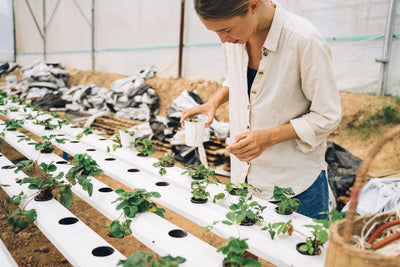
Photo by Đỗ Huy Hoàng via Pexels.
Five feet sounds like plenty of room until you actually start subtracting from it. A basement grow room with a nominal 60 inches of ceiling height is one of the most common setups growers write in asking about, and it's also one of the most mismanaged, because the number people plan around is the ceiling, not the usable grow space. Once you take out fixture body height, a safe hanging distance for heat and light penetration, and the pot itself, you're often left with under 3 feet of actual vertical room for the plant to live its life. That's not a lot of margin for error.
The fixture you choose determines how much of that 5 feet you get to keep. Bulky quantum board panels and hooded HID reflectors were designed for rooms with 7, 8, 9 feet of ceiling height, where you can hang high, let heat dissipate before it reaches canopy, and not think twice about a few extra inches of fixture bulk. Drop the same hardware into a basement with a furnace duct running along the joists and a sump pump humming in the corner, and suddenly every inch of clearance and every watt of waste heat is a problem you're fighting daily. Bar-style LED fixtures solve both issues at once -- thin profile, closer hang height, less heat stacking against the leaves.
This is a practical walkthrough for picking a fixture that actually fits a real 5-foot basement ceiling -- matching profile, wattage, and efficacy to the space you have rather than the space you wish you had. It's also worth saying up front that the bar most growers judge equipment against has moved substantially in the last few years. A fixture that looked efficient in 2023 is now firmly in the budget-and-outdated category, and the math below reflects where things actually stand in 2026.
Why 5 Feet of Headroom Changes Everything
Start with the ceiling, not the fixture. If you've got 60 inches from floor to joist, your first subtraction is fixture body height -- 2 to 6 inches for a modern bar-style LED, but 6 to 10+ inches once you're dealing with a quantum board panel with a bulky driver attached, or an HID hood with its reflector and bulb assembly. Next comes hanging distance: 12 to 18 inches is the standard range for even light penetration and for keeping heat from concentrating on the upper canopy, and in a low-ceiling room you don't get to cheat this number down much without risking light bleaching or heat stress on the top colas.
Run the arithmetic and a typical 5-foot basement leaves you with roughly 3 to 3.5 feet of usable vertical space for pot plus plant. Subtract a 12-inch fabric pot and you're training a plant to top out under 30 inches, start to finish. That's tight, and it's exactly why fixture choice and plant management have to be decided together rather than one after the other.
HID hoods are a particularly poor fit here, and not just because of the fixture bulk. A 400W or 600W HPS bulb throws enough radiant heat that you need 18 to 24 inches of hanging distance just to avoid scorching the canopy, and that's before accounting for the ballast, which often needs to sit outside the tent or on a shelf, eating floor space you don't have to spare. In a basement already running a dehumidifier and an exhaust fan, adding HID heat load to the mix makes climate control a constant fight.
This is also where training technique starts to matter as much as the light itself. Low-stress training, mainlining, and simply choosing shorter or indica-leaning genetics all buy you headroom that no fixture can. In a tall room you can let a plant stretch and correct later. In a 5-foot basement, you're managing height from week one, and the fixture is only one half of that equation. Bar-style LEDs were built for exactly this kind of constrained space -- thin enough to hang close, cool enough to run tight, and spread wide enough that you're not fighting hot spots directly under a single panel.
The 2026 Efficacy Baseline: What 'Good' Actually Means Now

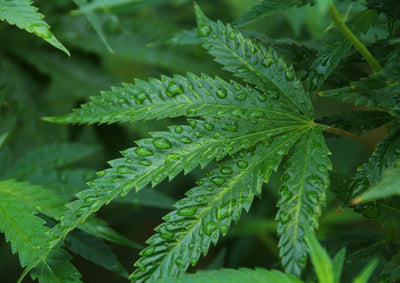
Photo by Michael_Luenen via Pixabay.
If you're comparing fixtures for a basement build, the number that actually matters is efficacy, measured in micromoles per joule, or µmol/J. It tells you how much usable light (photosynthetically active radiation) a fixture produces per watt of electricity it consumes, and it's the one spec that lets you compare a 100W bar light to a 400W panel on equal footing instead of just eyeballing total PPFD or trusting marketing copy about coverage area.
As of 2026, 2.5 µmol/J or higher is the baseline for what counts as a competent fixture. Anything under 2.0 µmol/J is now considered outdated by most buyer's guides, even if it was perfectly respectable three years ago -- diode technology has moved that fast. The top commercial diodes on the market right now, Samsung's LM301H EVO and Osram's Oslon SSL lines, are being reported at 2.7 to 3.2 µmol/J in manufacturer testing, which is a meaningful jump from the 2.0-2.3 µmol/J range that was standard just a couple of years back.
Right now the fixture most often cited as a top performer in this class is the AC Infinity IONFRAME EVO4, with a diode rating around 3.14 µmol/J, pulling roughly 400W, and priced in the $450-550 range. It's worth being clear about what that number represents, though -- it's manufacturer or retailer-reported data, not an independent third-party lab verification. That doesn't make it useless; it's genuinely useful for comparison shopping between models and brands. Just don't treat a spec sheet number as a guaranteed, lab-audited figure.
Why does this matter more in a basement than anywhere else? Because higher efficacy means less total wattage for the same light output, and in a low-ceiling room you're fighting two constraints simultaneously -- how much power you can safely draw and how much heat you can physically dissipate before it bakes the canopy. A fixture that hits your PPFD targets at 150W instead of 250W isn't just saving you money on the electric bill, it's buying you thermal headroom you don't otherwise have.
Low-Profile Fixtures That Actually Fit a 5-Foot Room

Photo by Karan Suthar via Unsplash.
Footprint should come before spec sheet. If you're running a 2x2 tent tucked into a basement corner, there are several solid low-profile options worth comparing directly against each other. The Atreum HYDRA-1000 draws about 100W, rates around 2.6 µmol/J, and runs $100-130 -- a genuinely budget-friendly entry point. The ViparSpectra XS1500 Pro steps up to 150W at roughly 2.7 µmol/J, giving you more total output without sacrificing much in headroom. And the Spider Farmer SF1000D, built on Samsung LM301B diodes, draws 100W at around 2.5 µmol/J and delivers approximately 960 µmol/m²/s PPFD at 12 inches -- plenty for a tight 2x2 flower setup.
If your space is more of a 4-foot bar arrangement with almost no clearance to spare, the Barrina TX72 is worth a look -- a 72W full-spectrum bar heavy on 660nm red that draws light enough to run comfortably off a standard household timer without tripping anything.
The reason bar lights outperform quantum boards of similar output in these rooms isn't just the thinner physical profile -- it's that a bar's shape doesn't trap heat against the plant the same way a flat panel does. A quantum board radiates heat downward in a concentrated zone; a bar spreads it along a line, which lets you hang closer to canopy for the same thermal risk.
The buying process that actually works here is: match fixture footprint to your tent or table size first, then compare µmol/J across the handful of models that fit that footprint class. Don't start by chasing the single highest-rated fixture on the market regardless of whether it physically fits your space -- that's how people end up with hardware they can't hang at a usable distance. Case in point: the CeresLux QuadRay 1000W puts up an impressive 3.0 µmol/J, but it requires 200-277V input, which simply isn't compatible with a standard 120V basement circuit. It's a great fixture for a commercial facility with the right electrical service, and a non-starter for almost every home basement grow -- worth flagging before anyone gets excited about the spec sheet and finds out the hard way.
The Electrical Math: Running Costs by Wattage and Rate

Running a grow light 18 hours a day at $0.18/kWh, monthly electricity costs rise in direct proportion to fixture wattage, from $13.50 for a 100W light up to $54 for a 400W light.
The national average residential electricity rate as of July 2026, per EIA data, sits at $0.18/kWh. At that rate, a 100W LED running 18 hours a day through veg costs about $13.50 a month. Scale up to a 2x4 tent running a 200W fixture and you're looking at roughly $27 a month -- numbers that make a real difference over a multi-month grow cycle, especially once you're running multiple tents or a permanent basement setup.
Efficacy differences compound fast. Take a fixture rated at 2.9 µmol/J against one at 2.3 µmol/J -- to produce the same total light output, the less efficient fixture needs about 646W compared to 512W for the better one. That's a 134W gap, which over a 63-day flower cycle adds up to roughly 101 kWh and about $18 in extra electricity cost at the national average rate. That's not dramatic on its own, but it's real money for zero gain in yield, and it's exactly the kind of gap that disappears if you buy on efficacy instead of sticker price.
Regional rates swing this math much harder than the national average suggests. California runs 28-35c/kWh, New York sits at 20-25c, and Texas runs a comparatively cheap 12-16c. Run the same fixture in Sacramento and Houston and you're paying nearly three times as much per month in California for identical output -- which means the efficacy premium you pay for a better fixture pays itself off far faster if you're growing on the West Coast than if you're growing in Texas.
Zoom out to the bigger comparison and the case for LED gets even clearer: switching from HPS to a modern mid-range LED fixture saves roughly $430 a year in electricity for a typical home grow setup, which means a $450 fixture can pay for itself in electricity savings alone in about a year, before you even factor in the yield and quality benefits most growers see from better spectrum and less heat stress.
There's a practical safety angle here too. Basements often run on shared or older circuits, frequently sharing a breaker with a dehumidifier, sump pump, or exhaust fan. A lower-wattage fixture isn't just cheaper to run -- it meaningfully reduces the risk of tripping a breaker mid-cycle when everything else in the basement kicks on at once.
Dialing In Heat, Airflow, and PPFD in a Cramped Room
Low ceilings trap heat near the canopy even when you're running an efficient LED, simply because there's less air volume above the plants for heat to disperse into before you're forced to deal with it directly. This is the room type where exhaust fan sizing and ducting placement matter more than almost anywhere else -- you need to be actively pulling hot air out near the top of the canopy, not just running a fan somewhere in the tent and hoping airflow sorts itself out.
Hanging distance of 12 to 18 inches does double duty in this kind of room. It's not just dialing in light spread anymore -- it's your primary heat buffer, because you often don't have the option of raising the fixture further if things run hot. That's one more reason a cooler-running bar fixture earns its keep in a basement: it gives you more flexibility to hang at the lower end of that range without cooking the upper canopy.
PPFD targets don't change just because your fixture is more efficient and drawing less wattage. You still want roughly 300-500 µmol/m²/s for seedlings and clones, 600-800 for veg, and 800-1000+ for flower. The difference with modern high-efficacy diodes is that you're hitting those numbers at a fraction of the wattage older fixtures needed -- which is the whole point of chasing µmol/J in the first place.
Don't eyeball this. Use an actual quantum or PAR meter, because bar fixtures distribute light differently than solid panels and can create noticeably hot spots directly beneath the bars themselves, even while the edges of the canopy run under target. A meter catches that; your eyes mostly can't.
Finally, remember that your fixture isn't the only thing drawing power and adding heat to that basement. Dehumidifiers and extra humidity control equipment are almost mandatory in a basement grow, and they add real load to the circuit. That's one more practical argument for the 72-150W bar fixture on its own dedicated timer, rather than stacking multiple high-draw grow lights alongside a dehumidifier and inline fan on a circuit that was never built for it.
Matching Genetics to a Short Room

Photo by Elsa Olofsson via Pexels.
Even the best fixture only solves half the headroom problem. The other half is decided before the light ever gets hung -- in which seeds you start with and how you train them. Indica-dominant strains and compact autoflower genetics naturally finish shorter, which hands you margin under a 5-foot ceiling that no amount of fixture shopping can replicate. A sativa-leaning photoperiod that wants to stretch to 6 feet given the chance is simply the wrong plant for this room, no matter how good the light above it is.
Training technique is the other lever, and timing matters as much as the technique itself. Low-stress training and topping done early -- before the plant hits its natural stretch phase -- keep canopy height predictable under a light that's hung at a fixed, low distance and can't easily be raised later. Wait until after stretch to start managing height and you're reacting to a problem instead of preventing one.
This is also where genetics quality becomes a real headroom issue rather than just a yield or potency question. An unexpected tall phenotype in a tight basement setup isn't a minor inconvenience -- it can mean branches touching a hot fixture mid-flower, which risks both bud damage and a fire hazard you really don't want in a basement. Well-bred seeds with documented, consistent height ranges take a lot of that guesswork out of the equation, which is part of why we focus on offering genetics with predictable growth profiles at Seedtiva -- in a room this constrained, knowing roughly how tall a plant will finish matters as much as knowing how much light it'll get.
The practical sequencing advice is simple: plan your pot size and your target final height before you buy the light, not after. Figure out how tall your genetics realistically finish, subtract fixture height and hanging distance from your ceiling, and let that number tell you what pot size and training schedule you're working with -- rather than buying a light first and trying to force the plant to fit whatever space is left over.
In a room with only 5 feet to work with, judge a fixture on clearance and efficacy together -- not on wattage or price tag alone. A 72-150W bar light pulling 2.5+ µmol/J will generally beat a cheap, bulky panel on both counts: it fits the physical space better and it costs less to run every single month of the grow.
Before you commit to a specific fixture, run the regional rate math for where you actually live. The exact same setup that saves a Texas grower around $200 a year in electricity can save a California grower $600 or more, and that difference changes how quickly a pricier, high-efficacy fixture earns back its upfront cost. A fixture that looks expensive in Houston can look like an obvious buy in Sacramento.
None of this replaces good fundamentals. Genetics, airflow, and how disciplined you are about training still decide most of your outcome in a room this tight -- the light gets you in the game, it doesn't win it by itself. Outcomes will vary with your climate, your setup, and the seeds you start with, but the basement growers who do well with 5 feet of headroom are the ones who treat fixture, plant, and airflow as one decision made together, not three separate purchases made in sequence.