Building Living Soil for Massive Multi-Year Outdoor Beds
Anyone can dump bagged potting mix into a hole and grow a decent plant for one season. Building a living soil bed is a different game entirely — you're not feeding a plant, you're feeding an ecosystem that feeds the plant, and that ecosystem gets better every year you leave it alone. Growers running the same no-till beds for five, six, ten seasons routinely produce 8-15 foot plants with less water and zero bottled nutrients, because the soil food web has matured into something a fresh mix can't touch. This is the long game of outdoor giants: build it right once, and every subsequent season gets easier and bigger.
Why Living Soil Beats Bottled Nutrients for Giant Plants

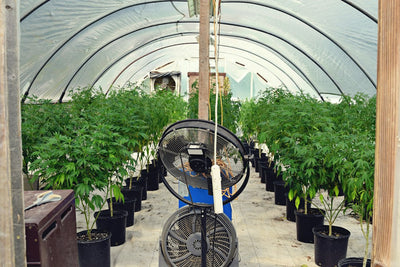
Photo by Walter Cunha via Pexels.
A mature living soil bed runs on biology instead of chemistry. Bacteria, fungi, protozoa, nematodes, and arthropods break down organic inputs into plant-available forms on a schedule the plant itself helps regulate through root exudates. That buffering capacity is exactly what a 10-foot plant with a root zone six feet deep needs — it prevents the nutrient spikes and lockouts that stunt growth in synthetic programs when a grower's timing is off by even a week.
The real advantage shows up in year two and beyond. A first-year bed is still establishing microbial populations, mycorrhizal networks, and organic matter reserves. By year three, cation exchange capacity (CEC) has climbed, water infiltration has improved, and the fungal-to-bacterial ratio has shifted toward the fungal-dominant profile cannabis prefers in vegetative and flowering stages. Growers who've run the same beds for multiple seasons report needing less top-dress every year while plants get bigger — the opposite of depleted annual mixes.
This matters most for outdoor giants because massive plants demand massive, stable root systems. A 200-gallon or larger in-ground bed with living soil can support a plant finishing at 8-12 feet with minimal intervention, something very difficult to replicate with containers and liquid feed at that scale. Starting with vigorous, well-bred genetics matters here too — a plant genetically capable of aggressive root and canopy development will actually use the biological capacity a mature bed provides, where a weaker phenotype leaves it on the table.
Sizing and Building the Bed: Volume, Depth, and Base Mix
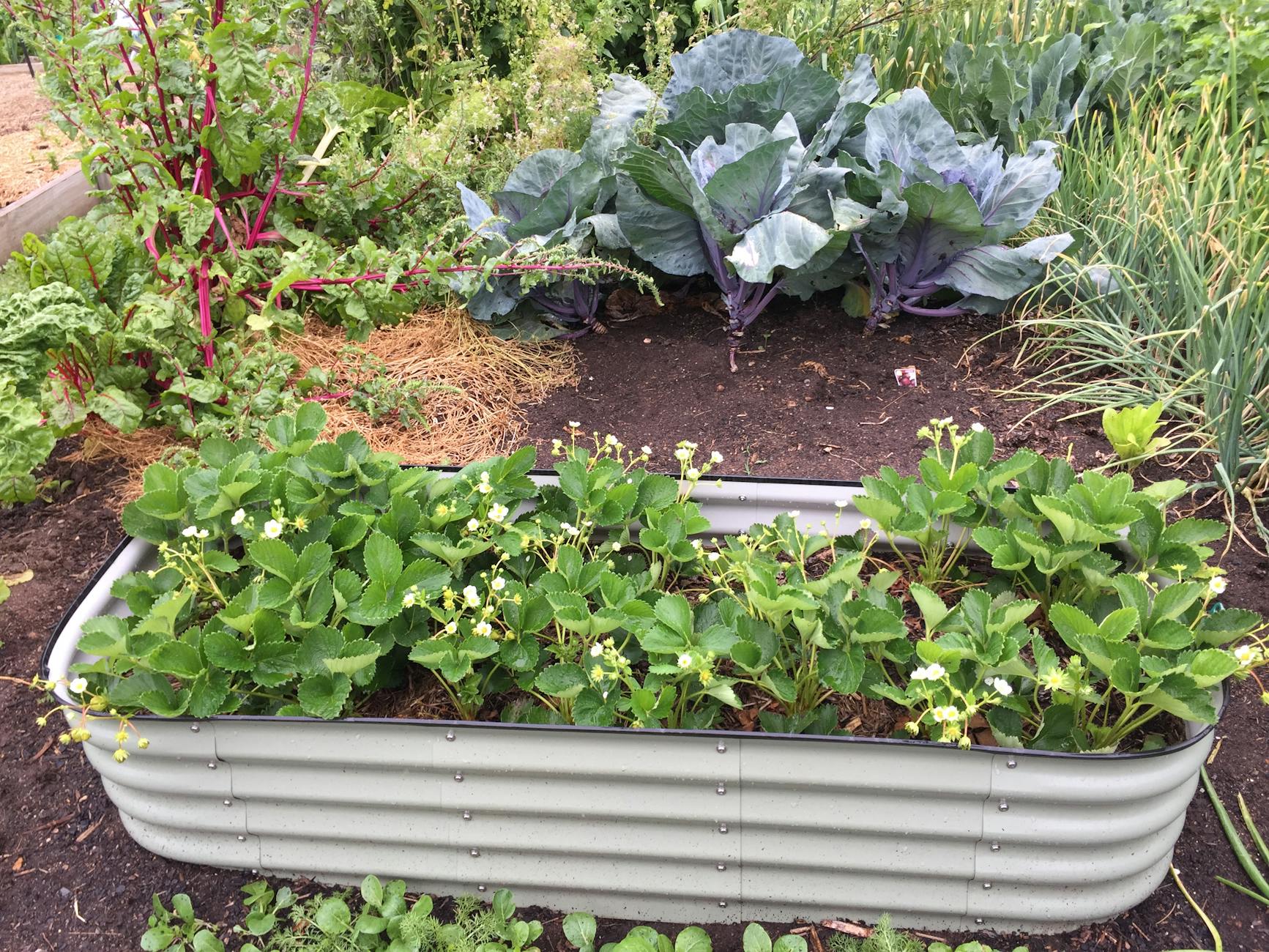
Photo by LUIS GALLARDO via Pexels.
For true outdoor giants, think in terms of cubic feet, not gallons. A 4x4 foot bed at 2 feet deep is 32 cubic feet — roughly 240 gallons of soil volume, enough to support a plant in the 8-10 foot range in a full season with good light and genetics. For 12+ foot plants, go 5x5 or larger and aim for 24-30 inches of depth minimum, since taproots on unrestricted outdoor plants will chase moisture and nutrients far deeper than most growers assume.
Base mix ratios that have proven out over years of no-till use: 40% aeration and drainage (pumice, lava rock, or rice hulls), 30% peat moss or coco coir as the water-holding backbone, and 30% high-quality compost as the biological engine. From there, layer in mineral amendments before planting — glacial rock dust, gypsum, and azomite for trace minerals, plus a slow-release calcium source like oyster shell flour since cannabis is a heavy calcium feeder and outdoor giants are especially prone to deficiency symptoms in rapid summer growth spurts.
Dig the bed into native ground rather than building a fully raised container when possible — this lets roots and soil biology interface with the native subsoil ecosystem, dramatically improving drainage and worm migration into the bed. Line the bottom with cardboard only if you're smothering existing turf, and always build beds in fall or early spring so the biology has months to establish before transplant.
The Amendment Stack: Feeding the Soil, Not the Plant

Photo by Sippakorn Yamkasikorn via Pexels.
Living soil amendments are added once at build time (or as annual top-dress) rather than fed weekly. A reliable base recipe per cubic foot of soil: 1-2 cups neem meal or kelp meal for nitrogen and micronutrients, 1 cup crab meal or fish bone meal for phosphorus and chitin (which also suppresses fungus gnat and root aphid pressure), 1/2 cup langbeinite or kelp for potassium, and 1 cup high-quality worm castings to inoculate biology immediately.
Mycorrhizal inoculant is non-negotiable and should be applied directly to roots at transplant, not just mixed into the bed — endomycorrhizae (Glomus species) form symbiotic relationships with cannabis roots that can extend effective root surface area by orders of magnitude, dramatically improving water and phosphorus uptake in the exact conditions outdoor giants face: large volumes of soil the root system can't otherwise fully colonize in one season.
Cover cropping between seasons — clover, vetch, or a diverse cover crop mix — fixes nitrogen, prevents erosion, and adds fresh root exudates and biomass that feed soil life through the off-season. Chop and drop this cover crop in spring rather than tilling it in; every time you till, you shred fungal hyphae networks and set the bed's maturity back months. The entire point of a multi-year bed is that you stop tilling after year one.
No-Till Maintenance Between and During Seasons

Photo by Keith Cassill via Pexels.
Once established, maintenance is additive, not disruptive. Between seasons, cut spent plants at the base rather than pulling them, leaving root systems to decompose in place and add organic matter and channels for aeration. Top-dress with 2-3 inches of fresh compost and a light layer of amendments (kelp meal, crab meal, worm castings) every fall, then seed the cover crop over top.
During active growing season, top-dress lightly every 4-6 weeks with worm castings and a potassium/calcium boost (langbeinite plus gypsum) as plants move through veg into flower, watering it in with plain water or a compost tea. Compost teas brewed with worm castings, kelp, and molasses every 2-3 weeks help maintain active microbial populations, especially useful in hot, dry climates where UV and heat can suppress surface biology.
Mulch heavily — 2-4 inches of straw, leaf mold, or wood chips — year-round. Mulch is arguably the single highest-leverage move in a living soil system: it regulates soil temperature swings, conserves irrigation water (critical for beds this large), suppresses weeds, and continuously feeds surface fungal networks as it breaks down. Beds that are properly mulched need dramatically less water than exposed soil, sometimes 30-40% less depending on climate.
Troubleshooting Common Living Soil Mistakes
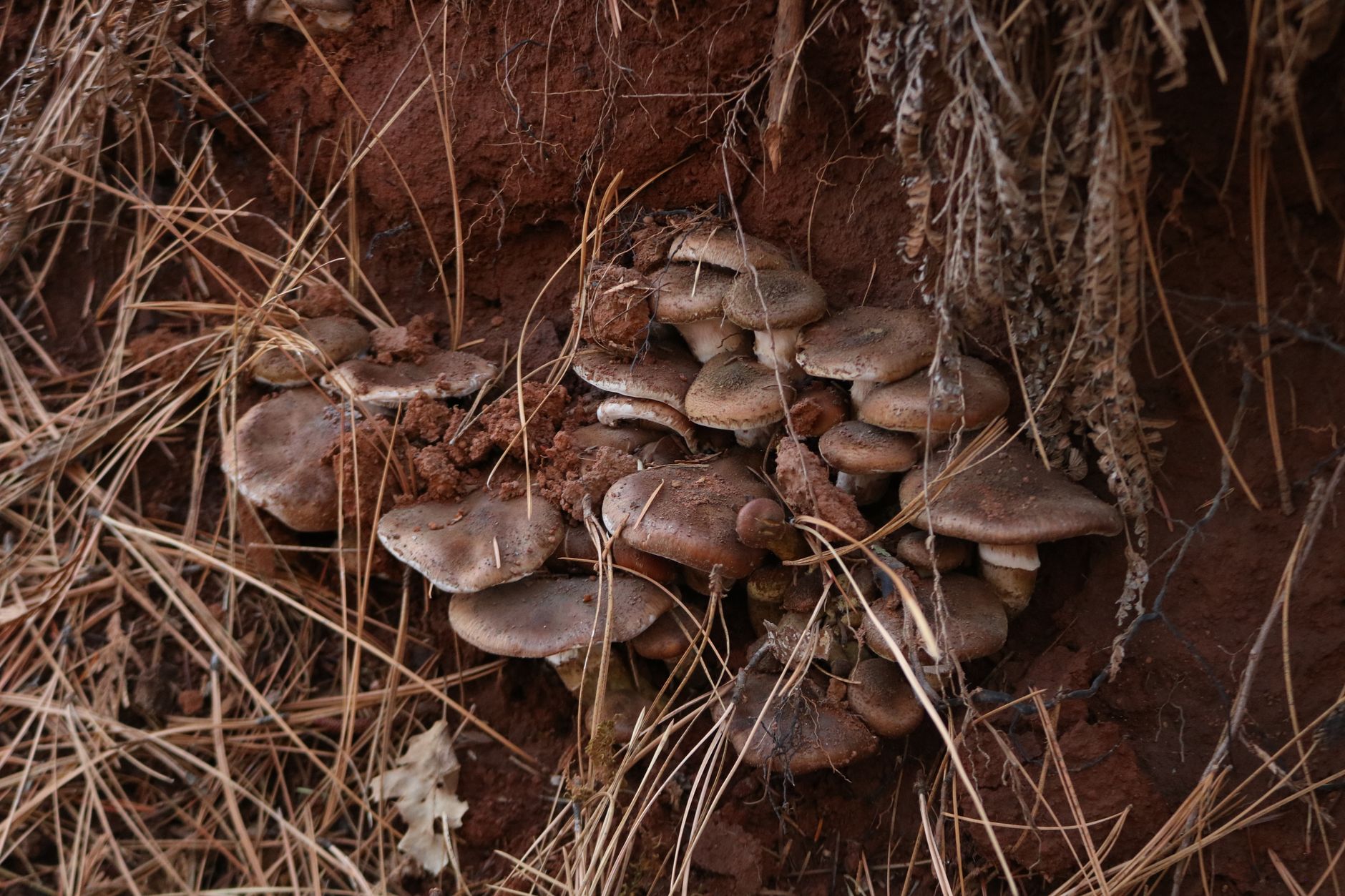
Photo by ㅤAmain ㅤ via Pexels.
The most common failure is overwatering in year one before biology has established enough structure to handle moisture properly — a bed with poor aeration mix drowns roots and stalls fungal colonization. If you see slow, uneven growth in a new bed's first season, check drainage before assuming a nutrient problem; add pumice or rice hulls next build rather than reaching for liquid nutrients, which can disrupt the microbial balance you're trying to establish.
Nitrogen deficiency showing as pale lower leaves in months two or three of a new bed is normal — biology hasn't fully mineralized the nitrogen sources yet. A light kelp meal or alfalfa meal top-dress water-in usually corrects it within 1-2 weeks. Resist the urge to add synthetic nitrogen, which can suppress the very bacterial populations responsible for long-term nitrogen cycling.
pH problems are rarer in mature living soil than in synthetic systems because biological buffering keeps things in the 6.2-6.8 range naturally, but heavy peat-based mixes can drift acidic in year one. Oyster shell flour and gypsum at build time prevent most of this. Finally, don't panic over visible insect and fungal activity in the soil — springtails, mites, and mycelium threads are signs of a healthy, functioning system, not pests to eradicate. The goal is diversity and balance, not sterility, and by year two or three most growers find the bed genuinely self-regulates pest and disease pressure far better than sterile synthetic mixes ever did.
A living soil bed is an investment that compounds. Year one takes real effort and patience — building volume, layering amendments, and tolerating a slower nutrient ramp-up than bottled feed provides. But by year three or four, you'll have a bed that regulates its own fertility, water retention, and pest pressure while consistently producing bigger, healthier plants with less input than the season before. Results will always vary with climate, bed size, and the genetics you start with, but the trajectory of a well-built no-till bed only goes one direction: better. Treat the soil as the crop you're actually growing, and the giant plants take care of themselves.
Photo by Skyler Ewing via Pexels.