Choosing Strains for Cup-Winning Flavor Profiles
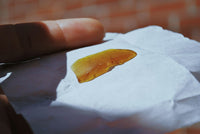
Photo by gjbmiller via Pixabay.
Fancy 3 took first in Indoor Flower at the first High Times Medical Cannabis Cup Argentina. Behind it came Lemon Orange and Blue Zangria. Over in rosin, the podium read Piña Papaya, Persian Pear and Licuado de Fruta.
Read that list out loud and you hear a fruit stand. A judge can forgive a slightly tight bud structure or a trim that isn't perfect, but a jar that smells flat is hard to rescue. Flavor comes from the genetics you start with and from how carefully you dry and cure the plant.
One caveat up front. I couldn't find an official judging rubric or scoring weights for these events, so nothing below is a rule. These are patterns in the placings, paired with growing practice that protects aroma whatever the judges happen to prefer.
Key takeaways
- Recent High Times Cup placings skew fruit-forward, with Piña Papaya, Persian Pear and Lemon Orange all taking top-three spots.
- A 1990s classic, White Widow, still won Best Sativa Flower at the New York Cannabis Cup against modern candy genetics.
- Flavor is decided as much by drying and curing as by genetics, so pick a cultivar you can finish well.
What the 2026 Cup Placings Actually Show
High Times Medical Cannabis Cup Argentina 2026 was the first edition of the event. Entries ran across five categories: Indoor Flower, Outdoor Flower, Solventless Rosin, BHO and Hash Holes. That spread matters, because it means one cultivar can be judged as dried flower, as a washed rosin, or as a hydrocarbon extract.
Here is what stood on the podiums we can verify:
- Indoor Flower: ARCANN with Fancy 3, mercury with Lemon Orange, JamRock Grow Shop with Blue Zangria.
- Solventless Rosin: Colombia exoticz with Piña Papaya, BlumenClub with Persian Pear, Augusto diez with Licuado de Fruta.
- BHO: fasito420 with Super Boof, WAXXED with Moet, and fasito420 again with Cherry Cocktail.
Look at the names and the pattern jumps out. Lemon Orange, Blue Zangria, Piña Papaya, Persian Pear, Licuado de Fruta, Cherry Cocktail: that is a lot of fruit. Keep in mind this is my reading of the names alone. The source doesn't claim judges favor fruit, and a name tells you what a breeder or grower intended, not what the terpene panel showed.
So treat the list as a signal. Entrants chose, and judges rewarded, cultivars with a clear identity you can name in one phrase. What you can safely take from it is that distinct beats generic. Anything more precise would require a rubric nobody has shown me.
Classic Versus Candy: Two Routes to the Podium
The New York Cannabis Cup 2026 gives a useful counterweight. Doobie Labs won Best Sativa Flower with White Widow, a strain the source calls a legendary 1990s, high-potency, sativa-dominant hybrid with peppery pine and citrus notes. That is a thirty-year-old genetic beating a field of modern entries.
Newer lines won plenty too. Blue Zushi took Best Indica Flower for Golden Garden, and Permanent Marker took Best Hybrid Flower for The Kaleidoscope Collective. Obama Runtz won Best Pre-Rolls, and RYTHM's Strawberry Shortcake Remix won Best Infused Pre-Rolls. Those are candy-leaning, dessert-leaning names.
The vape categories add a third note. MFNY's Hash Burger won Best Non-Distillate Vapes, described as sweet, spicy and lemony up front, with woody pine and florals on the exhale. Notice how many stages that description has: an opening, a middle and a finish.
My takeaway is that complexity can beat novelty. White Widow isn't sweet, and it still won. A layered profile with a clean opening and a different finish is a legitimate target, and you don't have to chase pure sugar to get there.
One warning before you build a grow plan around any of these. Lineage and breeder claims in cup coverage need independent confirmation. Cultivar names get reused, crosses get remade, and a Runtz-lineage label can cover a lot of different plants. Verify with the breeder before you commit space and 12 weeks to a seed.
Reading a Strain's Flavor Before You Germinate
Seed descriptions are marketing copy, but you can still decode them. Sort what you read into flavor families and decide which one you actually want to grow:
- Citrus: lemon, orange, tangerine; usually limonene-leaning.
- Fruit-candy: berry, tropical, grape, sweet cream.
- Gas and funk: fuel, skunk, rubber, sour.
- Pine and pepper: resinous, woody, spicy.
- Floral: lavender, rose, perfumey.
Then ask the breeder for lab terpene data on the parent or the stabilized line. Treat any number as a range, not a promise. Terpene content shifts with your environment, your light, and especially your finish, so a panel from someone else's tent is a hint about potential.
Pick well-bred, phenotype-stable lines, and then pop more seeds than you think you need. Eight to ten is a sensible batch for hunting a keeper. Smell each plant by rubbing a lower leaf or a small bud site in mid flower, around week five or six, and take notes while the scent is still developing. Keep the one whose aroma is loudest and cleanest, not the one that grows tallest.
Be skeptical of names that promise fruit without evidence. A strain called anything-papaya tells you nothing about what the terpene profile will actually be. If a vendor can't show lab backing or a grower history, the name is just a label.
Seedtiva offers quality genetics suited to this kind of flavor-focused selection, though results will still vary with your setup and climate.
Growing for Terpenes, Not Just Yield

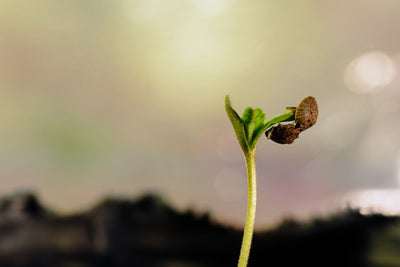
Photo by SocialButterflyMMG via Pixabay.
Terpenes are volatile. Heat and airflow that push yield can also strip the monoterpenes that give citrus and fruit their lift. If flavor is the goal, the environment needs to be set for aroma, not just biomass. These are starting ranges, and they'll move with your genetics, climate and room.
| Factor | General guidance |
|---|---|
| Lights-on temperature, flower | 74-78F |
| Late flower temperature | High 60s F |
| Vapor pressure deficit, mid to late flower | Moderate, steady |
Dropping the temperature in the last couple of weeks slows terpene loss and can bring out color in some cultivars. Keep vapor pressure deficit moderate and steady, and avoid big swings. Hard stress pushes late, such as severe defoliation or drought, tend to cost aroma and are rarely worth it.
Light intensity deserves the same restraint. Some cultivars handle strong light fine; others bleach and lose volatiles when canopy heat climbs. Run the intensity your cultivar tolerates, and measure the temperature at the canopy, not at the thermostat on the wall. A hot canopy cooks off monoterpenes before you ever cut the plant.
Feeding matters too. Excess nitrogen late in flower dulls flavor and leaves a harsh, grassy smoke. Taper nutrients over the final weeks and run a clean finish with properly balanced water, so the plant is working through its own reserves rather than force-fed salts at harvest.
Harvest, Dry and Cure: Where Flavor Is Won or Lost
You can grow a loud plant and still lose it in the last three weeks. This stage is where most fruit and citrus notes are either preserved or flattened.
- Harvest on trichomes. Aim for mostly cloudy with some amber, checked with a loupe on several buds. A lights-off morning harvest is worth considering, since many growers find the plant smells strongest then.
- Dry slowly. Hold cool, moderate conditions, roughly 60F with humidity in the middle range, for 10 to 14 days. Use gentle air movement that circulates the room without blowing directly on the buds.
- Cure in sealed containers. Use jars or food-safe containers. Burp daily at first, then weekly, for at least 3 to 4 weeks.
- Watch jar humidity. Aim for roughly 58-62%. That range helps hold terpenes while keeping mold risk low.
Stems should snap rather than bend before you jar. If they're still rubbery, the buds hold too much moisture and the jar will turn on you.
Fast, hot drying does the most damage. Push the room to 75F with strong airflow and you may be dry in four days, but you'll have traded the bright fruit and citrus notes for a hay-like smell. Those are exactly the notes the Argentine podium entries are named for.
Patience here is cheap. The cure costs you a month and a few jars, and a month is far less than the 10 or 12 weeks you already invested growing the plant.
Measuring and Pitching Your Profile for Competition
Cups aren't judged on nose alone. The Argentina event also handed out Special Analytical Awards for Highest Total THC, Highest Total Terpene Content, and Highest CBD Content & Best THC:CBD Balance. So lab numbers sit beside the judges' scores.
One entry was reported at 1.80% total terpenes. I can't tell from the source which entry or award that figure belongs to, so confirm that before quoting it as a benchmark. Treat it as a curiosity until you've checked.
What you can do is get your own terpene panel before you enter. Knowing what your flower actually delivers lets you choose the right category and tells you whether the cure did its job. A lab report also shows you whether the plant you smell matches the plant you're about to submit.
Think about the end product too. Solventless rosin and hash categories reward cultivars that wash well, meaning resin heads that separate cleanly and return solid yields. A gorgeous flower strain may wash poorly, and a good washer can be unremarkable as flower. Decide before you plant which format you're growing for.
Then enter where your cultivar fits best: flower, rosin, BHO or hash. The Argentina results show the same breeders placing across formats, with fasito420 taking two BHO podium spots. Matching the cultivar to the format matters as much as the cultivar itself.
Podium names change every year. Piña Papaya and White Widow will be replaced by whatever wins next season, but the pattern underneath holds: pick a cultivar with a distinct, layered profile, then protect it through the finish. Genetics set the ceiling, and your drying room decides how close you get to it.
No spec sheet replaces your nose. Lab panels and breeder notes narrow the field, but when you stand in a tent at week six with ten plants and a handful of leaves between your fingers, the keeper is the one that makes you stop. Trust that.
Sources
- High Times Medical Cannabis Cup Argentina 2026: All the Winners
- New York Cannabis Cup Winners: The Brands and Products That Took Top Honors
- 2026 New York Cannabis Cup Winners - Kind Green Buds
- Farmers Cup (420 Edition) 2026 - Cannabis Cup in CA @farmerscupofficial
- Farmers Cup (710 Edition) 2026 - Cannabis Cup in CA @farmerscupofficial
- Farmers Cup (Harvest Edition) 2026 - Cannabis Cup in CA @farmerscupofficial