Late-Stage Stress Techniques for Potency: What Works
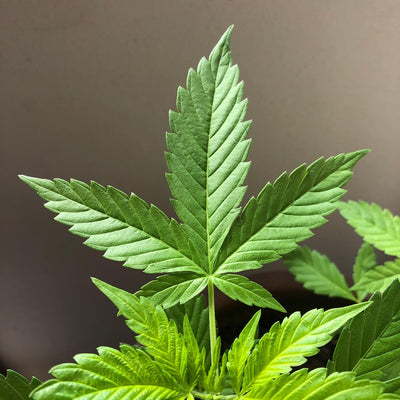
Photo by Erin_Hinterland via Pixabay.
Week seven of flower. The trichomes are frosty, the room smells like a fruit stand, and a forum thread says a long blackout or a UV-B bar will add a few points of THC. It sounds cheap. It sounds like it costs nothing but a weekend.
Some late-stage stress techniques are reasonable fine-tuning. Others are mostly folklore that spread because every grower who tries them sees a good harvest and credits the trick instead of the genetics. The research is mixed, and a lot of what circulates is anecdote.
Here is a ranked look at the common methods, weighed by risk against likely reward. No guaranteed numbers, because nobody honest can give you one.
Key takeaways
- Evidence for late-stage stress boosting THC is mixed; many grower claims rest on anecdote, and some UV-B studies found little or no THC increase.
- Terpene preservation is where gentle late stress, like cooler nights, most plausibly pays off, while heavy stress risks lower yield and mold.
- Harvest timing by trichome maturity and a proper dry and cure influence final potency more than any stress trick.
Why Stress Might Affect Potency at All
Trichomes make cannabinoids and terpenes partly as a defense against pests, UV, and dehydration. That is the logic behind every stress-for-potency claim: poke the plant, and the glands might work harder. The logic is plausible. The leap from plausible to proven is where growers get into trouble.
A response in the plant does not always mean more THC in the jar. Stress can shift gene expression, change terpene profiles, or simply slow the plant down. Some small studies have reported shifts in cannabinoids or terpenes. Others found little or no change. Treat any single result, and any forum screenshot, with caution.
It helps to separate three outcomes that growers constantly blur together:
- Cannabinoid percentage: the THC number on a lab report.
- Terpene content: aroma and flavor, and the volatile part most easily lost.
- Total yield per plant: grams on the scale, which stress usually threatens.
A technique that nudges potency up by a hair while costing you a chunk of your weight is a bad trade. Potency per gram and total potency per plant are different questions.
Also keep the hierarchy straight. Genetics, light intensity, and nutrition set the ceiling. A plant under strong, appropriate light in a dialed-in room, from a well-bred cultivar, will outperform a stressed plant under mediocre light every time. Stress only works at the margins, and only if everything underneath it is already right.
Extended Darkness and Cold Nights

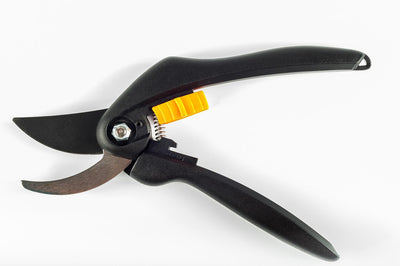
Photo by TeeFarm via Pixabay.
The extended dark period before harvest is a staple of grower lore. The pitch is that darkness triggers a final burst of resin production. In practice, it is mostly anecdotal, and I have not seen solid evidence that it raises THC. What I have seen is the downside.
A sealed, dark room with the fans off and humidity creeping up is exactly what botrytis wants. Dense late-flower colas hold moisture deep inside. One bad cola can ruin a plant, and bud rot spreads faster than most people expect once it starts.
Cold nights are the gentler cousin. Dropping night temperatures to the low 60s F (around 16 to 18 C) for the last one to two weeks can bring out purple and red tones in genetics that carry anthocyanins. It can also help hold onto terpenes, since volatile compounds evaporate less in cooler air. That is a fair reason to do it, even if a THC jump is not.
Do not overdo it. Roots that get very cold take up water and nutrients slowly, and late ripening stalls. If your night temperature drops below what the plant tolerates, you trade a nice color for a sluggish finish. Keep the lights-on temperature normal so the day-night swing stays moderate.
If you want to test a dark period anyway, treat it as an experiment:
- Pick one plant, or one lower branch, instead of the whole crop.
- Keep airflow running and humidity under control during the dark window.
- Label a control plant that gets the standard schedule.
- Dry and cure both identically, then compare.
Supplemental UV-B Light

Photo by TeeFarm via Pixabay.
UV-B is the most talked-about late-flower light stress, and the reasoning is easy to follow. Trichomes sit exposed on the flower surface, so they take the brunt of any UV. If the plant produces resin as sunscreen, more UV might mean more resin.
Published results do not back up the hype. They are inconsistent, and some UV-B work found little or no THC increase. Do not count on a big jump. If a vendor promises one, ask for the data and read it closely.
Safety comes first. UV-B damages skin and eyes, and you will not feel it happening until later. Wear proper UV-rated eye protection, cover your skin, and never work under an active bar. Put the bar on a timer you control from outside the room, and keep other people out.
The plant can take damage too. UV-B can bleach leaf tissue, curl edges, and stress flowers that are already near the end of their run. Growers who try it use short exposures late in flower and inspect the canopy daily. If you see bleaching or crispy leaf tips, stop.
My verdict: low reward, moderate risk. It is not a waste of time if you enjoy experimenting, but only on a small scale. Put one plant under the bar, keep a control plant of the same cultivar out of it, and compare the finished flower side by side. Do not light the whole tent on the strength of a forum post.
Water Restriction and Controlled Dry-Back

Photo by TeeFarm via Pixabay.
Mild dry-back between waterings in the final weeks is standard practice, not a stress hack. Letting the medium dry a little more pulls oxygen into the root zone and keeps roots active. Every competent grower does some version of this.
Deliberate drought is another matter. A wilting plant closes its stomata, photosynthesis drops, and the sugars that fill out the flower are not being made. You can cut final flower weight and gain nothing you could measure on a lab report. I would not wilt a plant on purpose.
The flush debate lands here too. Reducing salt buildup late in flower can improve how the finished bud burns, since less mineral residue tends to mean a cleaner ash. That is a quality-of-smoke question, separate from potency, and it should not be sold as a THC trick.
The medium matters a lot. In coco or soil, the medium buffers the roots, so a bit of extra dry-back is forgiving. In hydro, roots have no buffer at all. A few hours of dryness can do real damage, so hydro growers should leave this technique alone.
A sensible approach for soil or coco: during the last week or so, let the pots get lighter than you normally would before watering. Lift them to judge weight. Water when they feel light but the leaves are still firm and upright. If you ever see drooping, you went too far.
Late Defoliation and Pruning
Removing big fan leaves that block bud sites does two useful things. It improves airflow, and it lets light reach lower flowers. Both lower the mold risk in dense colas, which is the real reason to do it.
Heavy stripping late in flower is a mistake. Those fan leaves are still feeding the plant, and taking them off in the final fortnight can reduce yield. You also open the plant to light stress at the moment it is least able to adapt.
The better move is a light clean-up around week 3 to 4 of flower, once the stretch is over and bud sites are clear. Do the heavy structural work earlier, in veg and the first weeks of flower, so the plant has time to recover. By the final two weeks, you should be mostly hands off.
Remove only what earns removal:
- Leaves that fully shade a flower.
- Leaves that are yellowing and dying off anyway.
- Small, airless lower growth that will never produce anything dense.
Treat defoliation as an airflow and light tool. It protects the crop you already have. It does not boost potency, and anyone who tells you a bare plant makes stronger flower is guessing.
What Actually Moves the Potency Needle

Photo by 2H Media via Unsplash.
If you want measurable gains, put your effort here. Harvest timing is the biggest lever in the final weeks. Use a 60x loupe on the flower, not the leaves, and watch the trichome heads. Mostly cloudy with some amber is the common target. Later harvests, with more amber, tend to give a more sedative effect.
Then protect what you grew. A slow dry of one to two weeks at roughly 60 percent relative humidity and 60 F (about 15 to 16 C) preserves terpenes. Faster drying can leave a hay smell and a harsh smoke. Hang branches or use racks, keep airflow gentle, and stay out of direct fan blasts.
Curing comes next. Sealed jars, filled about three-quarters, burped regularly in the first couple of weeks, protect aroma and smoothness. It is slow, unglamorous work, and it moves the experience more than any blackout does.
Underneath it all, genetics set the potential. Well-bred seeds from a quality source matter more than any end-of-cycle trick, and Seedtiva offers such genetics. Start with a cultivar built for the potency and terpene profile you want, then give it good light and clean nutrition.
Finally, check local lab testing and labeling rules before making any potency claims about your own flower. Outcomes vary by setup, climate, and genetics, so what works in one room may not repeat in yours.
The best late-stage move is usually restraint. The plant spent seven weeks building resin, and your job in the last two is to protect it: steady air, sensible temperatures, no wilting, no panic. A stress experiment in that window gambles with everything already earned.
If you still want to experiment, change one variable on one plant and keep a labeled control beside it. Then judge by lab results or a careful side-by-side sampling, not by how confident the forum post sounded. That is how you learn what your own setup actually responds to.
Sources
- Low-Stress Training (LST) for Cannabis Guide
- Cannabis LST: The Ultimate Guide to Low Stress Training for Maximum Yield 2026 Meta
- Stressing Cannabis: Understanding the Effects and Techniques
- Cannabis Training: Every Plant Method and How to Use Each (2026 Guide)
- 6 Ways To Stress Your Cannabis Plants For Higher Potency And Yield
- Cannabis and Polysubstance Use: Response Inhibition and Stress Exposure