Congress Weighs Fixes to Cannabis User Gun Ban After SCOTUS Ruling
Photo by Ksenia Makagonova via Unsplash.
The Supreme Court doesn't often rule 9-0 on anything touching guns or drugs, so when it happened on June 18, 2026, people in both the cannabis and firearms worlds took notice. The case, United States v. Hemani, struck down the federal government's application of the marijuana-user gun ban against a Texas man on Second Amendment grounds. It was unanimous, but it was also, in the Court's own words, narrow -- and that narrowness is exactly what's now sending Congress scrambling to figure out what comes next.
A new Congressional Research Service report, LSB11450, published in mid-July 2026, lays out the options lawmakers actually have on the table. It's a useful document precisely because the ruling didn't settle much beyond Hemani's own case. The underlying statute, 18 U.S.C. 922(g)(3), is the same one federal prosecutors used to convict Hunter Biden in June 2024, before President Biden pardoned his son later that year. That overlap has given this obscure gun-control provision an unusual bipartisan resonance -- it's not just a cannabis-user issue anymore, it's a law that's ensnared a president's own family. And yet, as of July 15, 2026, nobody in Congress has actually introduced a bill responding to Hemani. The law's fate is genuinely up in the air.
The Ruling That Started It: United States v. Hemani
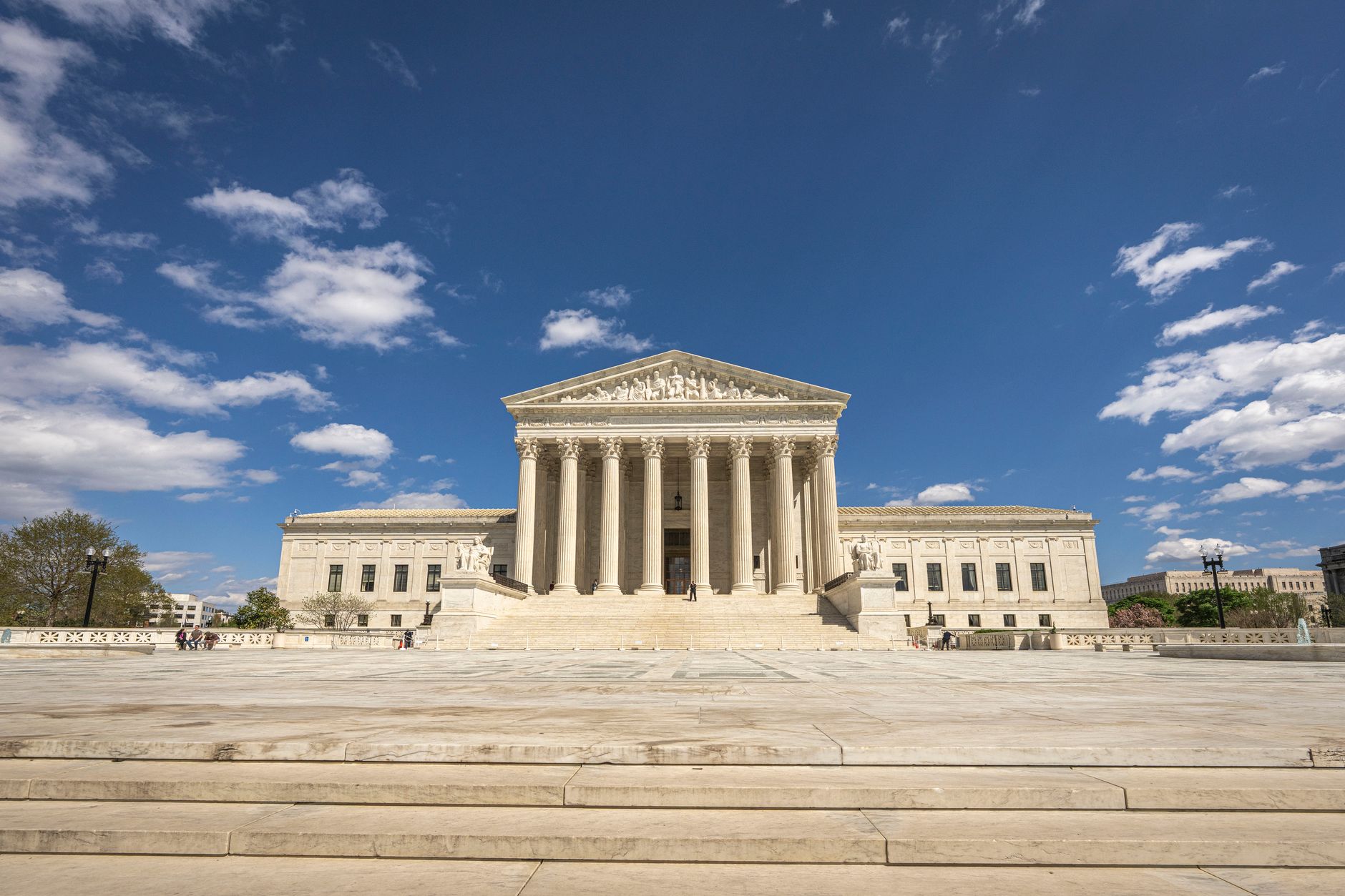
Photo by Mark Stebnicki via Pexels.
The facts of Hemani's case are straightforward enough. Ali Danial Hemani, a dual U.S.-Pakistani citizen living in Texas, was arrested after FBI agents executed a warrant search of his home and turned up a 9mm pistol alongside 60 grams of marijuana and 4.7 grams of cocaine. Federal prosecutors charged him under 922(g)(3), the statute that bars anyone who is an "unlawful user" of a controlled substance from possessing a firearm. Hemani challenged the charge on Second Amendment grounds, and it worked -- all the way to the Supreme Court.
Justice Neil Gorsuch wrote the opinion, and the Court sided with Hemani unanimously. But the ruling was deliberately narrow. Rather than striking down 922(g)(3) as unconstitutional on its face, the justices limited themselves to saying the government's application of the ban to Hemani specifically -- based on his marijuana use, without any showing he posed an actual danger -- went too far. The opinion also included a pointed observation that's likely to matter a lot in the coming policy fight: applying a blanket gun ban to marijuana users sits awkwardly next to the same federal government's own move to reschedule cannabis. You can't easily argue that regular marijuana users are categorically dangerous while simultaneously deciding the drug belongs on Schedule III instead of Schedule I. That tension is baked into the opinion, not incidental to it.
It's also worth remembering this isn't an abstract statute. The same law was used in 2024 to convict Hunter Biden on federal firearms charges tied to his own drug use, before his father pardoned him. That case put 922(g)(3) in front of a national audience in a way few gun statutes ever get, and it's part of why Hemani is landing as more than a niche cannabis story.
What the Ruling Left Unresolved

Photo by www.kaboompics.com via Pexels.
What's striking about Hemani is how much it doesn't resolve. The Court went out of its way to avoid addressing bans on people who are actively addicted to drugs, or who are intoxicated at the moment they possess a firearm -- both scenarios that come up constantly in real prosecutions and that lower courts will now have to sort through without clear guidance from the top.
The CRS report is blunt about this. LSB11450 notes that Hemani leaves plenty of room for lower federal courts to keep working out, case by case, where the constitutional line actually sits. That's not a knock on the Court so much as an accurate description of what a narrow ruling does: it decides one case's facts and leaves the surrounding legal terrain unsettled.
Practically, that means prosecutors and defense attorneys in different circuits are likely to get different answers to what looks like the same basic question -- can someone who uses marijuana, even legally under state law, be prosecuted for owning a gun under federal statute. Some judges will read Hemani generously in favor of defendants; others will find ways to distinguish their facts and uphold convictions. That's an uncomfortable spot for anyone trying to advise clients or, frankly, for cannabis consumers trying to understand their own legal exposure.
None of this amounts to a blanket green light. Hemani doesn't legalize firearm possession for marijuana users generally -- it just narrows how aggressively prosecutors can apply an existing ban to someone whose only established conduct is cannabis use, absent some further showing of danger. The difference between "the ban is gone" and "the ban is limited" is going to matter enormously in courtrooms over the next few years.
Congress's Menu of Options, According to CRS

Photo by Ivan Dražić via Pexels.
According to CRS, Congress essentially has two paths. The first is to actually rewrite 18 U.S.C. 922(g)(3) -- narrowing it so the ban applies only to drug users who've demonstrated some actual danger to themselves or others tied to their use or the substance involved, rather than sweeping in anyone who admits to occasional marijuana use. That would bring the statute in line with where the Court's reasoning in Hemani seems to be pointing.
The second option is simpler and less satisfying: do nothing, and let federal courts keep hashing out the boundaries case by case, the way they're already doing. That's the default outcome if Congress doesn't act, and given how gridlocked gun legislation tends to be, it may be the most likely one regardless of what CRS recommends.
This isn't uncharted territory, either. Back in the 117th Congress, a 2021-2022 bill proposed carving out an exception for people using cannabis legally under their state's law -- distinguishing them from users of federally illegal substances more broadly. It went nowhere. As of this writing, on July 15, 2026, no new bill has been introduced that responds directly to Hemani, which means the CRS report is really describing a menu Congress hasn't started ordering from yet.
Rescheduling adds another wrinkle. With marijuana now sitting on Schedule III rather than Schedule I, the entire premise behind treating its users as presumptively dangerous gets harder to defend -- a point the Court itself flagged. That inconsistency between drug policy and gun policy is exactly the kind of thing that tends to force legislative action eventually, even if it takes years.
Gun Rights Groups and Reform Advocates Read the Decision Differently
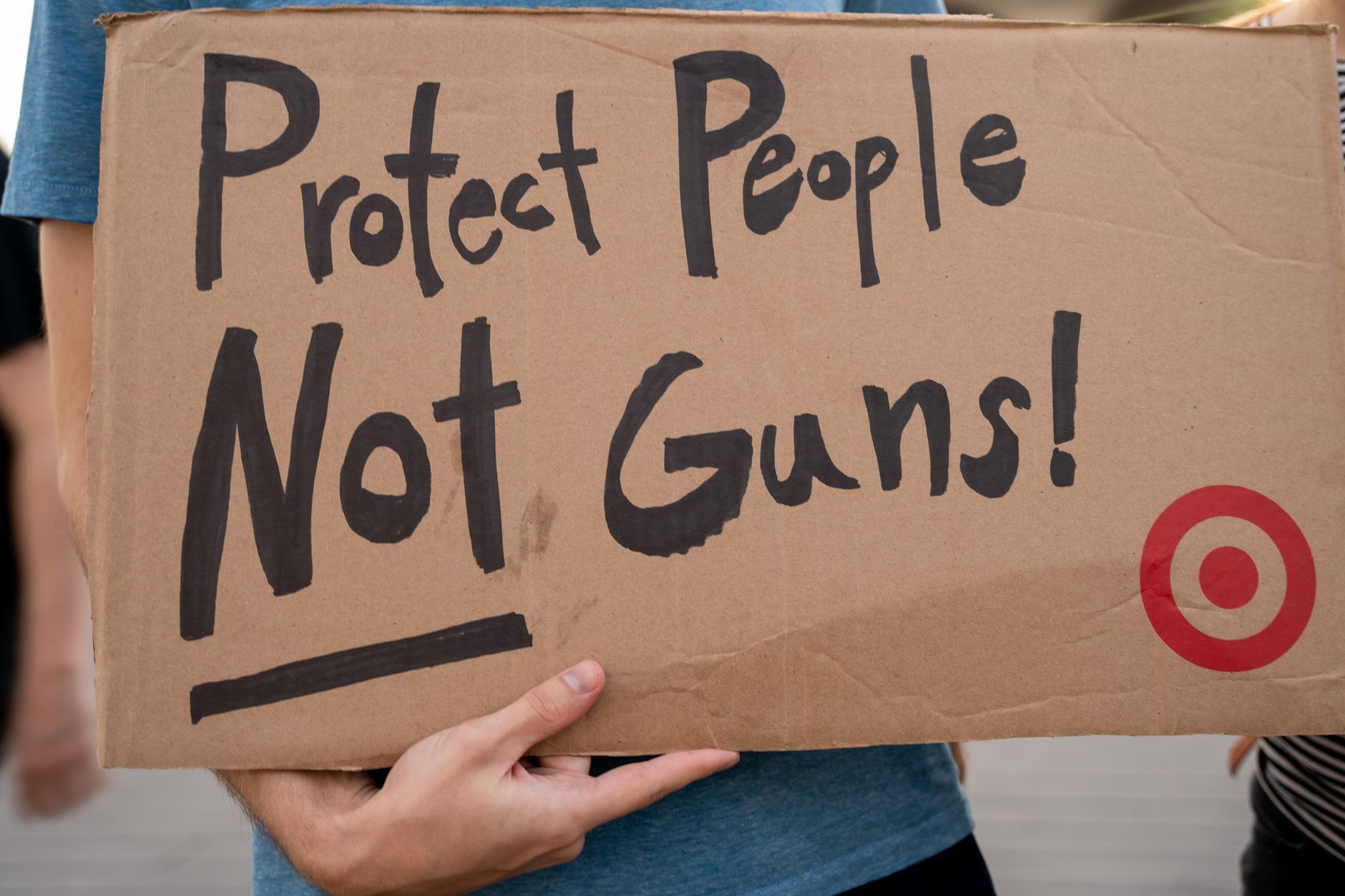
Photo by Emma Guliani via Pexels.
Reactions split fast along predictable lines, though the intensity is worth noting. John Commerford, executive director of the NRA's lobbying arm NRA-ILA, called the ruling "a major victory for the Second Amendment," arguing there's no historical justification for disarming someone simply because they use marijuana.
Gun-violence prevention advocates read it very differently. Leigh Rome of the Giffords Law Center pushed back on the celebratory framing, noting the opinion still "continues to allow the government to enact and enforce reasonable categorical prohibitions on firearms ownership." In other words, gun-safety groups see Hemani as a modest, fact-specific correction, not a repudiation of Congress's authority to restrict gun access based on drug use generally.
That gap in interpretation matters enormously for what happens next. If gun rights groups and gun-safety advocates can't even agree on what the ruling means, they're certainly not going to agree on how to legislate around it. A quick, tidy bipartisan fix -- the kind you might expect given Hunter Biden's own brush with this statute -- looks a lot less likely once you see how far apart the two camps are reading the same opinion.
Cannabis reform advocates, for their part, see an opening. They're pointing back to that failed 2021-2022 carveout bill as a template Congress could revive now that the Supreme Court has essentially validated the core objection: that lumping legal, state-compliant marijuana users in with dangerous felons doesn't hold up. Whether that argument gains traction with a Congress that's shown little appetite to touch gun statutes in either direction remains to be seen.
The ball is now sitting in Congress's court, and it's not obvious anyone's eager to pick it up. With gun rights groups calling Hemani a vindication of the Second Amendment and gun safety advocates insisting the ruling changes less than it seems, a fast legislative fix isn't in the cards. CRS laid out the options plainly enough, but options aren't the same as votes, and nobody's introduced a bill.
Until lawmakers act, cannabis users in legal states remain stuck in a gray zone on firearm ownership -- one where the answer to "can I legally own a gun" depends heavily on which federal circuit you're in and how aggressively local prosecutors want to press the issue. That's not a stable place to leave millions of legal cannabis consumers, but it's likely where things stay for a while, fought out incrementally in federal courtrooms rather than resolved cleanly on Capitol Hill.
If you're a cannabis consumer who also owns or wants to own firearms, this is one area where state legalization genuinely does not protect you. Federal law under 922(g)(3) still applies no matter what your state's cannabis statute says, and Hemani only narrowed how that law gets applied in one specific set of facts. Check your own state's cannabis and firearm laws carefully, and don't assume a state medical or recreational card changes your standing under federal gun law -- because right now, it doesn't.
Sources
- Congress's options for addressing cannabis user gun ban (Newsletter: July 15, 2026) - Marijuana Moment
- Congressional Researchers Lay Out Lawmakers' Options To Address Gun Ban For Marijuana Users Following Supreme Court Ruling - Marijuana Moment
- After Hemani, Congress Still Has Options on Marijuana and Gun Rules | marijuana gun ruling
- Congressional Researchers Lay Out Lawmakers’ Options To Address Gun Ban For Marijuana Users Following Supreme Court Ruling
- Supreme Court Rules Federal Gun Ban Unconstitutional as Applied to Marijuana User | Congress.gov | Library of Congress