Marijuana Midterms 2026: What to Do Before Election Day
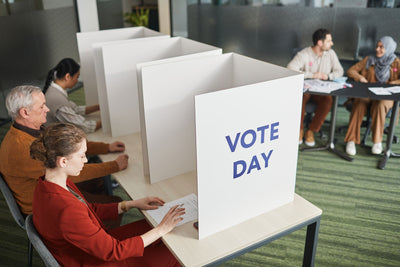
Photo by Edmond Dantès via Pexels.
Election Day is November 3, 2026, and plenty of cannabis voters will lose their say long before anyone counts a ballot. The usual culprit isn't a well-funded opposition campaign. It's a lapsed registration, a missed mail-ballot request, or a polling place that moved.
Double Your Impact is the pitch to bring a second voter to the polls with you. Whoever is behind the name, the arithmetic is the same: one ballot cast by you, another cast because you asked.
This piece covers your ballot, Idaho's constitutional amendment, the deadlines that sink careful voters, and how to recruit that second voter.
Key takeaways
- Cannabis measures vary by state, and your secretary of state's ballot list is the authority on what is on yours.
- Idaho voters will decide a constitutional amendment that would give the Legislature sole power to legalize marijuana and other psychoactive substances.
- Doubling your impact means confirming your own registration, then getting one more person to vote.
Check what is actually on your ballot
The midterm general election lands on November 3, 2026, but what appears on your ballot depends heavily on where you live. Some states have statewide cannabis questions. Others have nothing at the state level and a fight over a single city ordinance.
The final list of statewide cannabis measures is still moving as petitions qualify and courts rule, so the secretary of state's website is the document that settles it. Ballotpedia tracks measures state by state and is the best place to cross-check.
Then look lower on the ballot. Local dispensary bans, cannabis tax questions, and decriminalization ordinances often sit well below the headline races, and they can change what is available in your town far more directly than a statewide vote does.
Candidates matter too. Governors, attorneys general, and legislators shape licensing rules and enforcement priorities, so look up their actual cannabis records rather than their campaign slogans.
The easiest way to see all of it is your sample ballot. Your county elections office publishes one, and reading it before you walk in means no surprises in the booth.
Idaho: the amendment that could close the door

Photo by Brett Sayles via Pexels.
Idaho makes a useful case study. According to reporting from The Hill, it is one of five states where both medical and recreational marijuana are illegal. Six more states allow only CBD oil for medical use.
This November, Idaho voters will decide a constitutional amendment referred by the Legislature. A yes vote would give the Legislature sole authority to legalize marijuana, narcotics, or other psychoactive substances. A no vote would keep the citizens' right to legalize such drugs through future initiatives.
The question never mentions legalization directly. It asks who holds the power, so voters who support reform could approve it without realizing they were handing the keys to a legislature that has shown little appetite for change.
There was also an initiative push underway. Two petitions circulated, one to decriminalize marijuana and one to legalize medical marijuana, with signatures due May 1, 2026. Each needed 70,725 signatures, equal to 6 percent of Idaho's registered voters in the 2024 election. Whether either made the ballot is a question for the Idaho Secretary of State, which certifies qualifying petitions.
A measure about process can shape cannabis policy for a decade, and in Idaho it gets less attention than a measure about the plant would.
Lock down registration and early voting dates

Photo by Sora Shimazaki via Pexels.
Deadlines vary by state, and registration cutoffs often fall weeks before November 3.
Start with your registration. Use your state's official election site to confirm your status well before the deadline. Moves, name changes, and purged records are common, and finding out at the polls is too late.
Next, learn which voting options your state offers. Here is what to pin down:
- Whether early in-person voting is available, and on which dates
- Whether you can vote by mail, when you must request the ballot, and when it must be returned
- Whether same-day registration is allowed
- What ID, if any, you must bring
- Where your polling place is on Election Day
Write the dates down or put them in your phone calendar now. Mail-ballot return rules in particular can trip up careful voters.
Advocacy groups and social posts can flag a deadline, but the secretary of state and your county clerk set it.
How to turn one vote into two
The logic behind a Double Your Impact push is plain. Your vote counts once. Getting one more person to the polls doubles what you contributed.
So pick one person who shares your views but doesn't reliably vote. Help them check their registration, find their polling place, and decide when and how they will cast a ballot. A specific plan beats a vague promise to vote.
If a campaign offers donation matching, find out who is sponsoring it before giving. The sponsor behind this particular drive could be NORML, MPP, or another group, and the match terms are set by whoever funds it.
Volunteering often does more than a small check. Phone banks, ride shares, and voter-registration tables put real people in booths.
Federal rescheduling status and candidate positions can shift quickly, so update your talking points before you make the ask.
Cannabis also remains governed by state-by-state law, so the rules differ depending on where you live.
Idaho's amendment shows that how decisions get made, including who holds the authority to legalize at all, can outweigh any single legalization question.
Whoever you bring, check back with them the week before.
Sources
- 2026 US Elections: Which States Are Voting on Cannabis Measures?
- Eight marijuana and psychedelics-related ballot measures could be on the ballot in 2026 - Ballotpedia News
- States put criminal justice, marijuana policies before voters in 2026 • Stateline
- 2026 Cannabis Ballot Measures: Will Progress Be Pushed Forward or Rolled Back?
- Drugs on the Ballot
- Cannabis voter guide to the 2026 midterm elections