MJBizCon 2026: Where Cannabis Careers and Deals Get Made
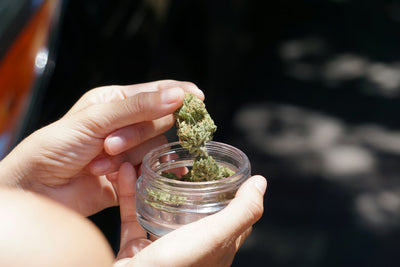
Photo by John Diep via Unsplash.
Roughly 30,000 people are expected to pack the Las Vegas Convention Center this December for MJBizCon, and most of them will tell you afterward that the panel discussions weren't the reason they flew in. The keynote stage matters, sure, and the policy sessions get quoted in every trade outlet for weeks afterward. But ask anyone who's been coming since the early years where their best deal or their current job actually came from, and the answer is rarely a session room. It's a hallway conversation, a booth chat that ran long, or a lunch table where a stranger happened to be working on the exact problem you'd been chewing on for months.
That's the quiet through-line of MJBizCon every year: the official programming sets the agenda, but the unofficial programming -- the meetups, the shared meals, the accidental seat assignments -- is where the actual industry gets built. Heading into 2026, with the show landing in its 15th year and the first post-rescheduling edition on the calendar, that dynamic is worth understanding before you even book your flight.
A Bigger Show for a New Regulatory Era

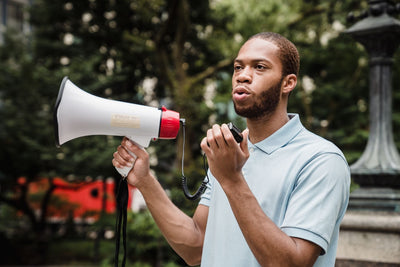
Photo by Florian Schindler via Unsplash.
MJBizCon 2026 runs December 1-4 at the Las Vegas Convention Center, marking the show's 15th year and, notably, its first edition since the federal government moved to reschedule cannabis. That timing gives this year's event more weight than a typical annual gathering. Operators, investors, and multistate players are still working out what rescheduling actually changes for tax treatment, banking access, and interstate strategy, and a lot of that recalibration will happen in Vegas hallways rather than in press releases.
Attendance is expected to land around 30,000, a figure that lines up with 2024 numbers reported through Landbase data and gives a more reliable baseline than some of the bigger totals floating around from earlier years. A widely cited 2022 release put attendance at 35,000 with 1,400 exhibitors, but that figure predates a market correction that hit cannabis capital, valuations, and headcount across the board. Anyone using that older number to gauge the show's current scale is working from outdated math -- worth flagging since it still gets recycled in press coverage and pitch decks.
The expo floor itself is organized into four neighborhoods: cultivation, retail and dispensary, business services, and processing/packaging/lab services. That segmentation isn't just wayfinding -- it shapes how attendees plan their days. A cultivator scouting new lighting or nutrient suppliers can spend a morning entirely in one zone, while a brand executive hunting for co-packing or lab-testing partners works a different quadrant altogether. For a show this size, knowing which neighborhood houses your priorities before you land saves hours you'd otherwise burn walking the floor.
The Lunch Table That Became a Six-Year Partnership

Photo by Hiếu Lê via Pexels.
In 2018, Azuca CEO Kim Rael sat down at an MJBizCon networking luncheon and ended up next to Nancy Whiteman, who was running Wana Brands at the time. Neither had planned the seating. Wana was in the middle of evaluating fast-acting edible technology for what would become its Wana Quick gummy line, and Azuca was in the thick of refining its own rapid-release formulation. The conversation that started over lunch didn't end when the plates were cleared.
Whiteman connected Rael with Wana's innovation team, then led by Mike Hennesey, who put Azuca's technology through its own vetting process before anything moved forward. That due diligence turned into a formulation partnership, and Azuca has been Wana's technology partner since Wana Quick launched in 2020 -- a relationship that's now run six years and counting, all traced back to an assigned seat at a lunch table.
Rael has talked about what keeps her coming back to the show, and it isn't the keynote lineup. As she's put it, it's lovely to hang out with your team -- a small comment that says a lot about what the value of a trade show actually looks like once you strip away the marketing copy. The Azuca-Wana story gets told often in cannabis circles, not because it's unusual but because it's exactly how these things tend to happen. Structured meetings have their place, but lunch programming and casual seating create the kind of low-stakes proximity that lets two people figure out, without any pressure, whether they've got something worth building together.
What's New on the 2026 Program

Photo by tommyyo123 via Pixabay.
The 2026 programming is organized around five tracks: Cultivation Operations, Retail & Marketing, Policy Regulations & Compliance, Drug Development & Clinical Research, and Innovations. That last track has grown noticeably in recent years as more pharma-adjacent and ancillary tech companies show up looking for cannabis-specific applications for their research.
The headline addition for 2026 is the Investment & Liquidity Summit, scheduled for Tuesday, December 1, and presented in partnership with Poseidon, IgniteIt, and The Talman Group. It's built for a specific audience: operators weighing acquisitions or exit strategies, and investors trying to figure out where liquidity actually exists in a market that's spent the last few years starved for it. The summit's existence says something on its own about where the industry's head is at heading into 2026 -- less about launching new brands, more about who's consolidating, who's selling, and who's got capital sitting on the sidelines waiting for the right entry point.
The second annual MJBowl product competition also returns, run in partnership with review platform Budist, with submissions opening August 3. It's grown into a legitimate credibility marker for brands, giving smaller companies a way to get in front of buyers and press without a marketing budget to match the multistate operators.
Taken together, the new additions read as a market maturing past its early growth-at-all-costs phase and into something closer to what most established industries look like: consolidation, disciplined capital, and competitions that reward product quality over hype.
The Networking Infrastructure Behind the Deals

Photo by SNCR_GROUP via Pixabay.
State takeover events, informal industry meetups, Empowering Women in Cannabis, and the Achieving Equity sessions aren't filler between the main events -- they function as core programming for a huge share of attendees. These sessions tend to draw people who already know each other from regional markets, which makes them some of the highest-density networking blocks on the entire schedule. If you're trying to break into a specific state market, these are often more useful than any panel with that state's name in the title.
For attendees who want something more structured than a lucky lunch seat, there's The Exchange at MJBizCon, a hosted-buyer program running two sessions daily, 9:30am-12:30pm and 1:30pm-4:30pm, open only to qualified hosted buyers. It exists specifically because organizers have watched deals like the Azuca-Wana partnership happen organically for years and built a mechanism to engineer more of those introductions on purpose, rather than leaving them to chance seating charts.
None of this is optional if you're serious about what you came for. Anyone attending MJBizCon hunting for a job, an investor, or a manufacturing partner should treat these sessions -- The Exchange, the state meetups, the equity and women's programming -- as calendar priorities, not things to squeeze in if the schedule allows. Show up to a hosted-buyer session with a vague pitch and no follow-up plan, and you'll walk away with nothing more than a stack of business cards. Show up prepared, and you're doing the same thing Rael and Whiteman did over lunch in 2018, just with better odds because someone else did the matchmaking legwork for you.
If this is your first MJBizCon, resist the urge to block your calendar around the keynote stage and treat everything else as filler. Budget just as much time, if not more, for the meetups, the hosted-buyer sessions, and the lunches where nobody's pitching anything yet. The Azuca-Wana story didn't start with a scheduled meeting -- it started with two people who happened to sit down at the same table and had enough time to actually talk.
The show has gotten bigger and more institutional since those early years, with a full investment summit and hosted-buyer infrastructure that didn't exist a decade ago. But the underlying mechanics haven't changed. Deals, hires, and partnerships still tend to start in the rooms with the fewest microphones. Plan your December accordingly, and check your own state's rules on cannabis business activity before you commit to anything discussed on that convention floor -- what's fine to negotiate in Nevada during the show may still require separate licensing or compliance work back home.