One Gram of Hemp Flower Holds 7.5x Illinois's THC Cap
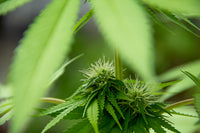
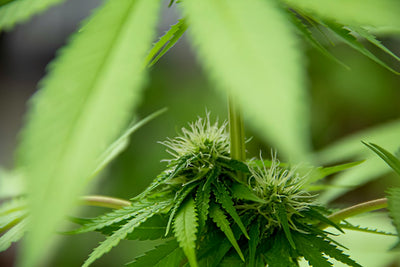
Photo by RDNE Stock project via Pexels.
Take one gram of hemp flower at the federal legal limit of 0.3% THC. Multiply 1,000 mg by 0.003 and you get 3 mg. Illinois's reported cap is 0.4 mg. You can check that on a phone calculator in ten seconds, and the result is uncomfortable.
My argument is simple. For flower, a milligram cap is a product ban, not a potency rule. Most of the coverage has dwelt on gummies, seltzers and other consumables, where a lower dose per unit is a real fix. Flower cannot be diluted. The plant is the product, and its THC content per gram is set by genetics and chemistry.
The news hook is recent. Reporting says Illinois's ban took effect Nov 14, 2026, with a one-week retail reprieve, and that one hemp farmer destroyed the 2026 harvest rather than hold it. I should be plain about the sourcing: those details come from secondary newsletter roundups, not from statute text or a farmer I have spoken to. I will mark what is documented, what is reported and what is my inference as we go.
By the end you will have a method you can run on any hemp label, and a clearer sense of why the 2026 flower crop is in trouble.
Key takeaways
- A gram of flower at the federal 0.3% delta-9 limit holds about 3 mg of THC, roughly 7.5 times a 0.4 mg cap.
- Because THCA converts to THC when heated, real flower sits far above 3 mg per gram, so almost none can comply.
- The cap's unit and statutory text must be confirmed, and the federal rule is per container, so it needs careful wording.
The arithmetic: 3 mg against 0.4 mg

A gram of hemp flower at the federal 0.3% delta-9 limit holds about 3 mg of THC, over seven times Illinois's 0.4 mg cap, and flower with 15% THCA could deliver an estimated 131.6 mg of total THC once heated.
Percent by weight converts to milligrams per gram by multiplying by 10. A gram is 1,000 mg, so 0.3% is 3 mg. Divide by 0.4 and you get 7.5. The working title says about seven times, which is slightly loose; 7.5 is the honest figure.
Now flip it. A cap of 0.4 mg in one gram works out to 0.04% THC, roughly one-eighth of the federal 0.3% concentration line. A flower that passes the old federal test with room to spare can still be nearly eight times over the new one.
Package size makes it worse if the cap applies per package. An eighth ounce is 3.5 g, and it would need to sit below about 0.011% THC to stay under 0.4 mg. Here is how that looks:
| Package | THC allowed at 0.4 mg cap | THC at 0.3% limit |
|---|---|---|
| 1 g | 0.04% | 3 mg |
| 3.5 g | about 0.011% | 10.5 mg |
A word on what is documented. The 0.3% federal limit is long-established. The 0.4 mg figure and its unit come from the pitch and the newsletter reporting, and need checking against statute text. The multiplication is just math, and it holds whatever the statute says.
THCA makes the real gap far wider
Everything above uses 0.3%, and that number is a delta-9 THC test. Raw hemp flower carries most of its THC potential as THCA, the acidic precursor. Commercial flower commonly reports THCA in the mid-teens to the 20s percent by weight. That range is background knowledge, so check it against actual certificates of analysis before leaning on it.
THCA converts to THC when heated. The standard conversion factor is about 0.877. A gram with 15% THCA holds 150 mg of THCA, which yields about 131 mg of THC when smoked.
If Illinois counts total THC, that gram is more than 300 times a 0.4 mg cap. If the cap counts delta-9 only, the gap shrinks, but a gram sitting right at the 3 mg ceiling still fails by a factor of 7.5.
So the 3 mg in the headline is a floor, not a typical figure. It describes flower that barely clears the old federal line on delta-9, ignoring THCA entirely. Real retail flower sits far above it. That strengthens the thesis, with one caveat: only the statute can say which THC definition applies, and I have not been able to confirm it.
What the cap actually says, and what I could not confirm
The size of the problem depends on the cap's unit. Per serving, per package and per gram give different answers, and per package is the harshest reading for flower. A flower jar has no natural serving, which is part of the trouble. Whatever a regulator picks as the unit decides whether flower is merely squeezed or flatly excluded.
Here is what I have not confirmed. I have not read the Illinois statute text or its bill number. I have not seen guidance from the Illinois Department of Agriculture or the Illinois Department of Financial and Professional Regulation. Those are the places to check, starting with ilga.gov.
These items still need confirmation:
- Whether the cap counts total THC including THCA, or delta-9 only.
- Whether the unit is per serving, per package or per gram.
- The reported effective date of Nov 14, 2026, and what the one-week retail reprieve covers.
- The reported Nov 12 deadline for unlicensed growers holding flower, and the penalties attached.
Until those are checked, treat each as reported, not established. The thesis survives either THC definition; the gap just changes size. But a reader planning around a deadline should read the primary text, not a newsletter summary, and not me.
Why farmers destroy crops instead of selling them
The reported case is one hemp farmer who destroyed the 2026 harvest. The source is a secondary newsletter, so the farmer's name and farm are unconfirmed, and I am not going to guess at them. Treat it as a reported example until someone confirms it directly.
My read, and it is inference, not documented fact, is that destruction follows from the logic. If no flower can test under the cap, and unlicensed holders face penalties for keeping flower after Nov 12, there is no legal buyer, no legal storage and no legal sale. Holding a crop becomes a liability. Burning the cost of planting looks painful, but it can be the rational move.
Compare that with gummies and drinks. A formulator can cut the dose per unit, shrink the package or change the recipe, and a product that failed in October can pass in December. Flower offers none of that. You cannot dilute a bud. Its THC content is what the plant made.
What I do not know is whether any outlet remains. Fiber, grain or some licensed channel might give a farmer somewhere to send a flower crop. If such exemptions exist, the destruction story gets less stark. If they do not, expect more of it.
The strongest objection: it was written for drinks and edibles

Photo by Alexas_Fotos via Pixabay.
The best objection is about intent. Lawmakers were aiming at intoxicating consumables: seltzers, gummies, vapes sold at gas stations. A per-serving cap was never meant to describe a plant. On this view flower is collateral damage, not the target, and a sensible regulator will sort it out.
That may well be true of intent. It does not change the result. If the text covers flower and no flower passes, the practical effect is a ban, and regulators enforce text. Retailers and farmers cannot plan around what a legislature probably meant.
There is an honest limit to my claim. Ultra-low-THC varieties could in theory be bred or selected to test near the cap. But 0.04% total THC is far below what typical hemp cultivars deliver, and I have not seen lab data showing real flower at that level. If it exists, the thesis weakens.
Two things would settle it: certificates of analysis from real compliant flower on shelves, or an agency carve-out. And here is what would change my mind: a published guidance document that exempts raw flower or measures it differently. Until one appears, the arithmetic is the strongest evidence in the room.
What the federal redefinition implies for flower
As I recall, the federal change rode in the FY2026 agriculture appropriations package signed in November 2025. It redefines hemp using total THC including THCA and excludes synthesized cannabinoids. I could not verify this against congress.gov, so confirm it before relying on it.
Wording matters here. The old federal test is a 0.3% concentration on a dry-weight basis. The new cap is reportedly 0.4 mg per container for finished products. The arithmetic is similar, but the unit differs, so I would not call it the same rule. The comparison works as an illustration, not an equivalence.
There is also a date problem. The pitch says Dec 11. A one-year effective date from a November 2025 signing would fall around Nov 12, 2026. One of those is wrong, or a delay or guidance has moved it. Check the enacted text, any USDA or AMS guidance, and any bills to delay.
Meanwhile, you can run the test yourself. Take a flower label, multiply the THC percentage by 10 to get mg per gram, and compare that with the cap. For total THC, add THCA times 0.877 to the delta-9 figure. If the answer exceeds 0.4 mg, the product is in trouble.
The open question is whether a federal container cap catches flower the way Illinois's does. If it does, the harvest destroyed in Illinois may be a preview, not an outlier.
The lesson is how to read a cap. Ask for the unit and the THC definition before you look at the number, then multiply. A limit that no product in the category can meet is a ban, whatever it is called.
What remains open is whether Illinois or federal regulators will clarify the status of flower, and what lab data from genuinely compliant product would show. If real flower tests under 0.4 mg, I am wrong and happy to say so. If nobody can produce it, the 2026 crop already tells the story.
Sources
- CANNABIS Newsletter Daily Roundup — November 07, 2026
- CANNABIS Newsletter Daily Roundup — November 14, 2026
- FY 2027-04, Hemp Product Changes, Effective November 12, 2026
- FY 2027-04, Hemp Product Changes, Effective November 12, 2026
- Is THCa Legal in Illinois? What Changes Nov. 12, 2026
- Hemp loophole
- THC Drinks in Illinois: Legal Status, Nov. 12 Change (2026)
- Illinois Hemp Act 2026: New Rules for Hemp and THC Gummies - Hatch Cannabis