SAFE Platforms Act Would Label Cannabis High-Risk Online
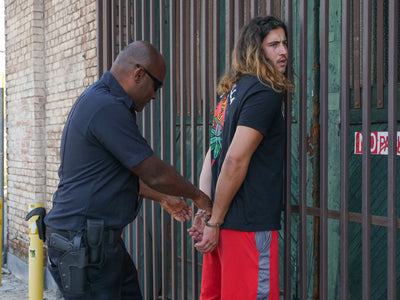
Photo by Mayara Klingner via Pexels.
A bill meant to stop online scams would put state-licensed, lab-tested cannabis businesses in the same risk bucket as the people running the scams. That is the core complaint in a new op-ed from Amy Deneson of the Cannabis Media Council, aimed at the Stopping Abuse and Fraud Enabled by Platforms Act.
The measure, known as the SAFE Platforms Act and numbered H.R. 10433, comes from Rep. Valerie Foushee (D-NC) and Del. James Moylan (R-Guam). Deneson argues it would label cannabis a high-risk advertiser category and make it harder for legal operators to buy ads.
A caution before going further. I could not confirm the bill's status on congress.gov, and a few details, including exactly which industries it names, are described differently by different sources. This is an opinion-driven fight over advertising access, so read the claims below as arguments to check against the bill text.
Key takeaways
- H.R. 10433, the SAFE Platforms Act, would force large online platforms to apply enhanced verification to advertisers in high-risk categories, cannabis included.
- Critics like the Cannabis Media Council say licensed, tested operators are being lumped in with scammers, and that seniors would lose clear product information.
- Reports conflict on which industries share the high-risk bucket, and the bill's committee and markup status is unconfirmed, so read the text before reacting.
What the SAFE Platforms Act Actually Does
The Stopping Abuse and Fraud Enabled by Platforms Act was reportedly introduced in the last week of September 2026 by Foushee and Moylan. Confirm the exact date, committee referral and cosponsors on congress.gov, since I could not reach it.
The bill applies to covered platforms, defined as interactive computer services with at least 100,000 monthly active users or more than $25 million in annual gross revenue. That reaches well beyond the biggest social networks.
The central requirement is that covered platforms make advertisers in high-risk categories meet enhanced verification criteria. Cannabis is one of those categories, according to the op-ed.
The bill also goes after platform behavior more broadly:
- Platforms would have to detect and prevent fraudulent profiles.
- Content that may contain advertising would need a Report Scam button.
- Ad content would face accessibility and design requirements.
One provision deserves attention from every industry. Per the sources I reviewed, a federal agency could designate additional industries as high-risk through regulatory action. The list in the bill is therefore a starting point, not a ceiling.
What a High-Risk Label Means for Cannabis Advertisers
According to the op-ed, cannabis advertisers would face enhanced identity verification and periodic re-verification. That means extra documentation, plus reviews of a company's online presence and business history.
For a multistate operator with a compliance team, that is paperwork. For a single-store licensee running its own social accounts, it is cost, delay and the real possibility of an ad account being paused while a review drags on. Small operators have the least slack, and they depend most on paid reach.
A law-firm analysis circulated through Lexology and the National Law Review argues this is not really a minors-protection rule. Its author says it imposes friction on the whole category, adults included, and would do so whether cannabis sits in Schedule I or Schedule III. That is the author's opinion, but it fits the bill's structure: a category label applies to everyone in the category.
Ad rules for cannabis are already a patchwork. Platforms set their own policies, and states layer on limits covering placement, audience and content. Operators should check their own state's advertising rules and each platform's current ad policy now, rather than waiting on a bill that has not passed.
The Industry's Case: Licensed Operators Are Not the Scam
Deneson says the Cannabis Media Council shares Congress's goal of tackling online scams. Her argument is that licensed operators are the safe, tested alternative, not the problem. Her subhead puts it bluntly: licensed cannabis operators aren't the scam.
She leans on seniors, the group the bill aims to protect. Many are now cannabis customers, she writes, and cutting off licensed advertising would leave them without clear information about which products are legal and tested. That is a sharper point than it first looks. Pushing legal sellers out of ad channels does not remove demand, it just leaves the field to whoever ignores the rules.
The op-ed also says the federal government moved state-licensed medical cannabis to Schedule III in April, giving medical operators a path to reach patients through traditional channels. That is the op-ed's characterization. Check the date and scope at the Federal Register or DEA before repeating it.
The council's proposed fix is self-regulation with high standards. My view: a verification burden that lands on the compliant, while illicit sellers simply skip it, is a weak anti-scam tool. But self-regulation alone is not a federal policy answer either. Industry codes have no teeth against bad actors outside the industry, and Congress will not treat them as a substitute for rules.
Open Questions and the Wider Ad-Restriction Push
Start with a conflict in the sources. The op-ed pairs cannabis with gambling and cryptocurrency as high-risk. The law-firm blog says cannabis sits with crypto, unregulated financial products and gambling, and also says the bill names tobacco and alcohol. Only the bill text settles that, and I have not verified it.
The same blog counts three federal bills this year that single out cannabis advertising for extra scrutiny. It points to two others:
- The KIDS Act, which the House passed in July, would bar platforms from facilitating cannabis advertising to users they know are minors.
- A companion Kids Online Safety Act, advanced by the Senate Commerce Committee in August, has a similar restriction aimed at video streaming services.
Those two are tied to minors. The SAFE Platforms Act, by the blog author's reading, is broader. The author says they are watching whether the high-risk category survives markup or gets narrowed. That suggests no markup had happened as of the post, but I could not confirm markup status or committee referral.
Before drawing conclusions, check four things:
- The exact bill text and whether tobacco and alcohol are listed.
- The cosponsor list.
- Which agency can add industries, and how far that designation authority extends.
- Whether cannabis-specific language gets narrowed to minors.
The real dispute is whether this bill targets scammers or simply restricts access for licensed sellers. A state-licensed industry that is, by the op-ed's account, moving toward federal rescheduling still wants ordinary advertising channels. A high-risk label would make those channels slower and costlier, and it would do so for businesses that already submit to licensing, testing and tracking.
Remember this is a proposal, not law. Track H.R. 10433 on congress.gov for status, text and any markup, and confirm your own state's ad and licensing rules before changing how you market anything. Legality and ad policy vary widely, and nothing here is legal advice.
Sources
- Well, That Didn’t Take Long: Congress Wants to Call Cannabis “High-Risk” Advertising
- New Congressional Bill Wrongly Targets Cannabis As 'High-Risk' Industry For Online Scams (Op-Ed) - Marijuana Moment
- Well, That Didn’t Take Long: Congress Wants to Call Cannabis “High-Risk” Advertising - Lexology
- Cannabis Would Be Considered A 'High-Risk' Product With Additional Advertising Restrictions Under New Congressional Bill - Marijuana Moment
- Well, That Didn't Take Long: Congress Wants to Call Cannabis "High-Risk" Advertising
- "High" Risk, It's Inevitable