White House Asks Congress to Spare CBD From Hemp Ban
Photo by Hanf garten via Unsplash.
The federal hemp product ban is set to take effect Dec. 11, less than three weeks from now, and the White House has just asked Congress to carve something out of it.
The something is narrow. The request covers nonintoxicating full-spectrum CBD products, not the broader market of hemp-derived THC gummies, drinks and vapes that has grown up since the 2018 Farm Bill. Think of it as a lifeline for one product category rather than a rescue of hemp.
The tension sits in how the ask is being delivered. It rides on a must-pass spending bill meant to avoid a government shutdown, and a group of Republican senators is already objecting to any more delay.
Key takeaways
- The White House asked Congress on Nov. 23 to exempt nonintoxicating full-spectrum CBD from the federal hemp product ban.
- The ban takes effect Dec. 11, 2026, and caps finished hemp products at 0.4 mg THC per container.
- The request does not protect intoxicating hemp products like THC beverages, and a dozen GOP senators are already pushing back.
What the White House Actually Asked For

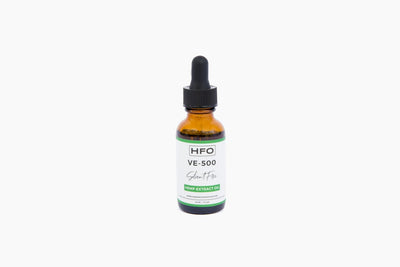
Photo by Cosmin Ursea via Unsplash.
On Monday, Nov. 23, 2026, the White House asked Congress to exclude nonintoxicating full-spectrum CBD products from the federal ban on most hemp-derived cannabinoid products. The request appeared in a White House document listing the administration's asks for a must-pass spending bill, the kind of legislation that keeps the government funded and therefore tends to move.
What the request leaves out matters as much as what it includes. It sets no specific THC limits, so nobody can yet say how much THC a full-spectrum product could carry and still qualify. It also does not call for preserving intoxicating hemp-derived products, THC beverages included.
The ask is not a surprise. It follows Trump's December 2025 executive order, which directed White House officials to work with Congress to preserve access to full-spectrum CBD products and called for research and innovation on hemp-derived CBD. The new request is the administration turning that order into a concrete legislative ask.
One caution for anyone tracking this: the exact spending vehicle and its deadline were not confirmed against official sources like congress.gov. Treat the bill details as fluid until the text is public.
How the Ban Got Here and Where the Calendar Stands
The ban was written into the November 2025 spending bill that Trump signed. It kept the 0.3% THC limit for hemp plants in the field but tightened the rule for finished products, capping them at 0.4 milligrams of THC per package or container. For a typical gummy jar or tincture bottle, that is a very small allowance.
Sen. Mitch McConnell championed the change. Sen. Rand Paul opposed it, warning last year that it would effectively kill the hemp industry. Both positions still frame the fight today.
The calendar has already moved once. Congress pushed most of the new restrictions from Nov. 12 to Dec. 11, 2026, which is the date operators are now planning around. Whether it moves again depends on what lands in the spending bill.
The White House has pressed this point before. Trump publicly urged changes in April 2026, saying Congress could allow CBD products with trace amounts of THC while keeping the ban on other hemp-derived products that pose health risks. A June 5 Statement of Administration Policy from the OMB on H.R. 8646, the House appropriations bill, reportedly asked Congress to soften the CBD ban too, though that detail comes from a secondary site and should be verified before anyone relies on it.
Why Hemp THC Products Are Still at Risk
Start with the wording. Marijuana Moment notes that the word nonintoxicating suggests the White House position may be narrower than what the hemp industry wants. With no THC limits attached, it is unclear which products would be exempted, and advocates were asking Tuesday what would remain protected if the lame-duck Congress agrees.
Intoxicating products get nothing here. THC beverages, gummies and similar hemp-derived items are not covered by the request, and Trump's April comments pointed the same way: trace-THC CBD could be spared, while other hemp-derived products posing health risks stay banned.
Other proposals are circulating, and they point in different directions:
- Comer legislation: Rep. James Comer is circulating a bill that would delay the ban and set rules, including packaging requirements, testing rules and age limits. That is a regulate-instead-of-prohibit approach.
- Conversion measure: A separate measure would still allow conversions for CBD, delta-9 THC and other natural hemp compounds outside the plant, but only if the end product is naturally occurring. The excerpt available does not identify the bill or its sponsor, so verify before citing it.
Neither is tied to the White House request, and neither has a confirmed path. For THC-heavy brands, the practical read is that the administration is not lobbying for them. Their best hope is a delay or a regulatory framework from Congress, not an executive carve-out.
Republican Pushback and What Operators Should Do Now
The pushback came fast. A dozen Republican senators wrote to Trump urging him to let the ban take effect as scheduled. Marijuana Moment reported that the letter was led by a senator whose name should be confirmed before publication.
One senator quoted in that coverage warned that another delay would threaten the entire bill, and said the administration had promised in August not to push for one. Confirm the speaker and exact wording before repeating it. The message is clear enough: opponents see a CBD exemption as the first step toward reopening the whole deal.
For brands and retailers, that argues for planning two scenarios rather than betting on one. Either a CBD carve-out passes, or Dec. 11 holds unchanged. A practical checklist:
- Audit every product by THC per container, since the ban measures the finished package, not the plant.
- Sort products into three groups: clearly nonintoxicating CBD, borderline, and intoxicating.
- Review inventory exposure, including stock in warehouses and on retail shelves, and the cost of selling through versus pulling product.
- Read the spending bill text as soon as it is released, not the summaries.
Legality and enforcement vary by state, and some states have their own hemp rules regardless of the federal outcome. Check local law and talk to counsel before making inventory decisions based on federal headlines.
The request shows where the administration will spend political capital: on CBD, yes, on intoxicating hemp, no. For anyone selling THC drinks or gummies, that is the clearest signal in this episode, and it says the real fight is over regulation and delay rather than a White House rescue.
With under three weeks left and a shutdown deadline attached, the outcome will likely be decided by the final spending-bill language, not by statements or letters. Watch for whether a CBD exemption appears, how it defines nonintoxicating, and whether the Dec. 11 date moves again.
Sources
- Trump White House asks Congress to save hemp CBD, ban looms for THC
- After moves to protect medical marijuana, Trump asks Congress to save hemp
- Trump Begs Congress to Save CBD From His Own Hemp Ban - CLN
- From signature to reversal: Trump now wants Congress to undo part of the hemp ban he signed
- White House Requests Congress Revise Federal Hemp Law to Protect Full-Spectrum CBD Products in Upcoming Spending Package
- White House Asks Congress To Keep Hemp Products Legal As GOP Senators Tell Trump To Close 'Loophole' - Marijuana Moment