

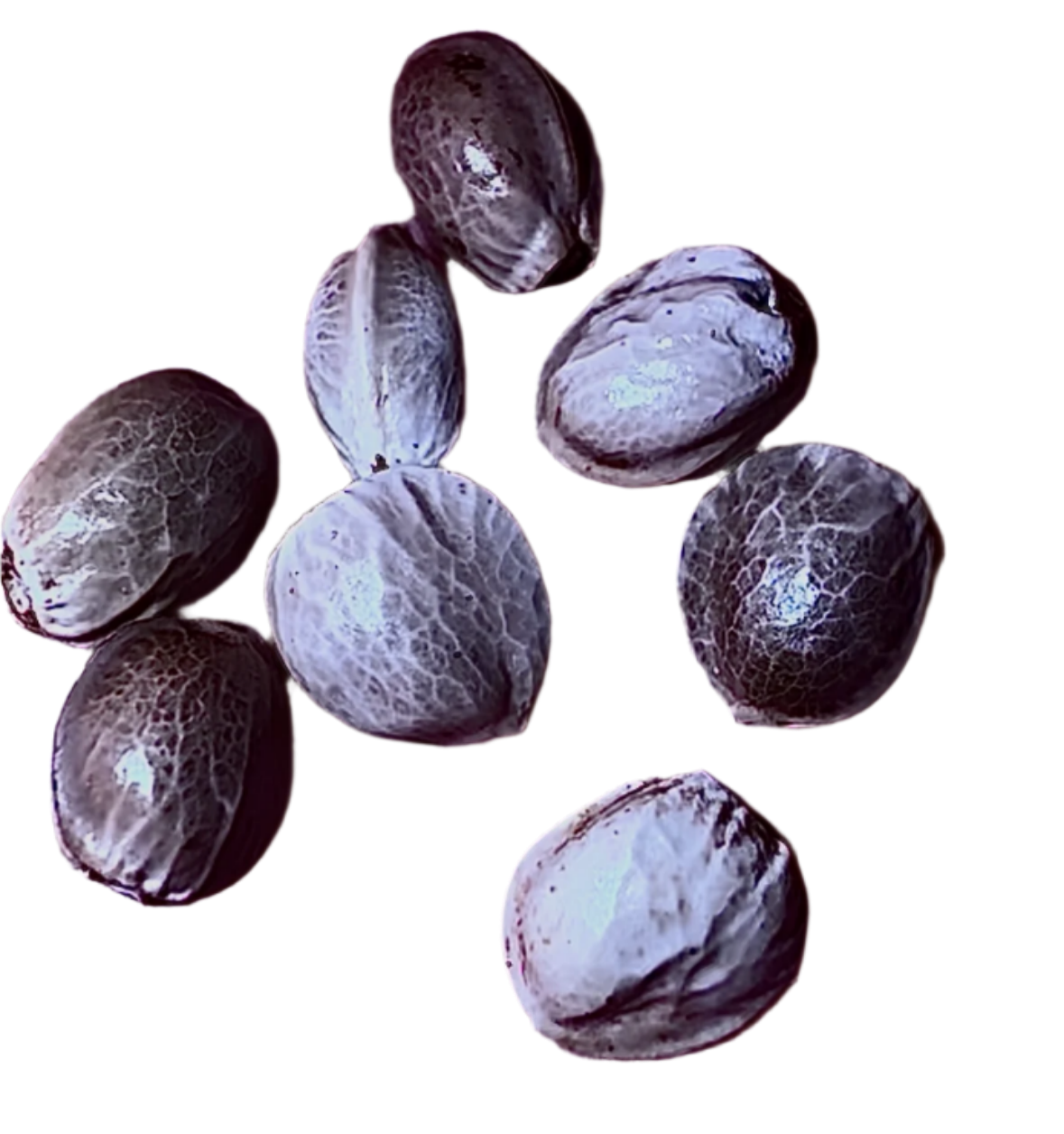
Pictured THAI XXL PHOTOPERIOD SEEDS
LANDRACE SEEDS
Pure Genetics from Cannabis’ Ancient Origins
Landrace seeds come from cannabis strains that evolved naturally in specific regions over centuries, untouched by modern hybridization. These pure genetics reflect the plant’s original characteristics—adapting to local climates, soils, and cultures. Whether from the Hindu Kush mountains, Thai jungles, or African highlands, landrace strains offer a rare glimpse into cannabis’ ancient roots, prized for their unique flavors, effects, and genetic stability.
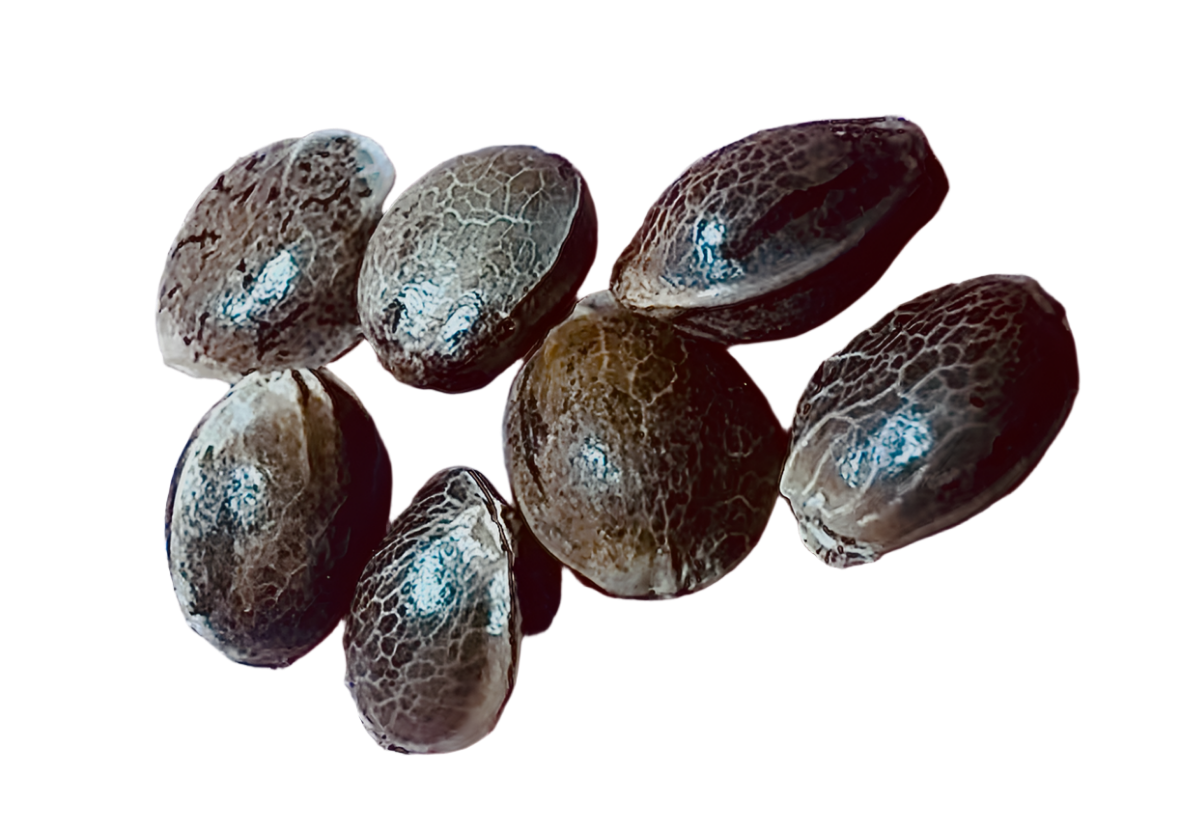
PICTURED ABC MUTANT PHOTOPERIOD SEEDS
MUTANT SEEDS
Cannabis is a genetically diverse plant, and some of its rarest mutations—like Australian Bastard Cannabis (ABC), Freakshow, Ducksfoot, and foxtailing—demonstrate just how strange and varied it can become. ABC features glossy, smooth-edged leaves that don’t resemble cannabis at all, while Freakshow’s deeply serrated, fern-like foliage defies traditional appearances. Ducksfoot, known for its webbed leaves, offers stealth potential, and foxtailing causes buds to form spire-like structures, either through genetics or environmental stress. These mutations, though often visually shocking, offer valuable insights into cannabis genetics, stealthy planting, and future breeding possibilities.
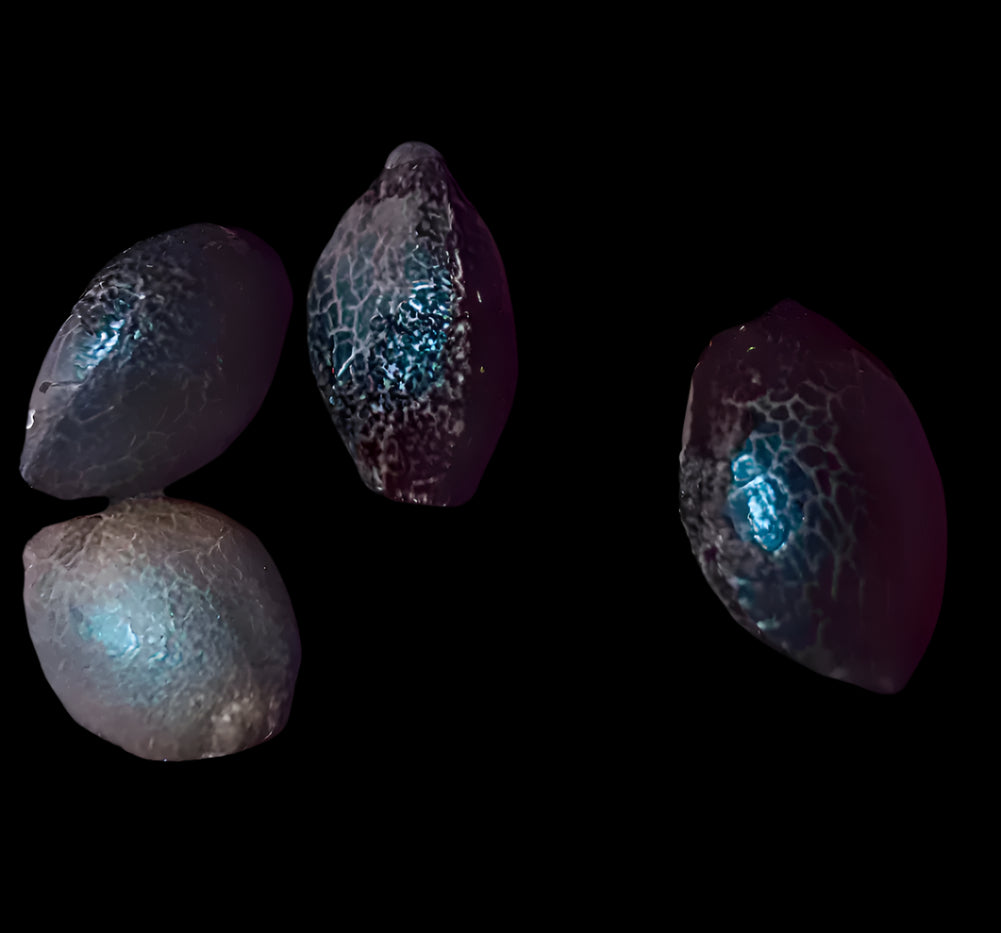
Pictured FAT DADDY FEMINIZED AUTOFLOWER SEEDS
FEMINIZED AUTOFLOWER SEEDS
utoflowering and photoperiod cannabis seeds differ fundamentally in how they respond to light, essentially running on different "biological clocks." Photoperiod strains rely on light cycles to trigger flowering—typically needing about 12 hours of darkness to transition from vegetative growth to bloom—making them ideal for growers who want full control over their grow environment. In contrast, autoflowering strains flower automatically after a set period (usually 2–4 weeks), regardless of light schedule, thanks to their genetic heritage from Cannabis ruderalis, a hardy subspecies adapted to short growing seasons in northern climates. Autoflowers tend to be faster, smaller, and more resilient, making them well-suited for beginners or stealth growers, while photoperiod plants often produce higher yields and potency but require more time and management.
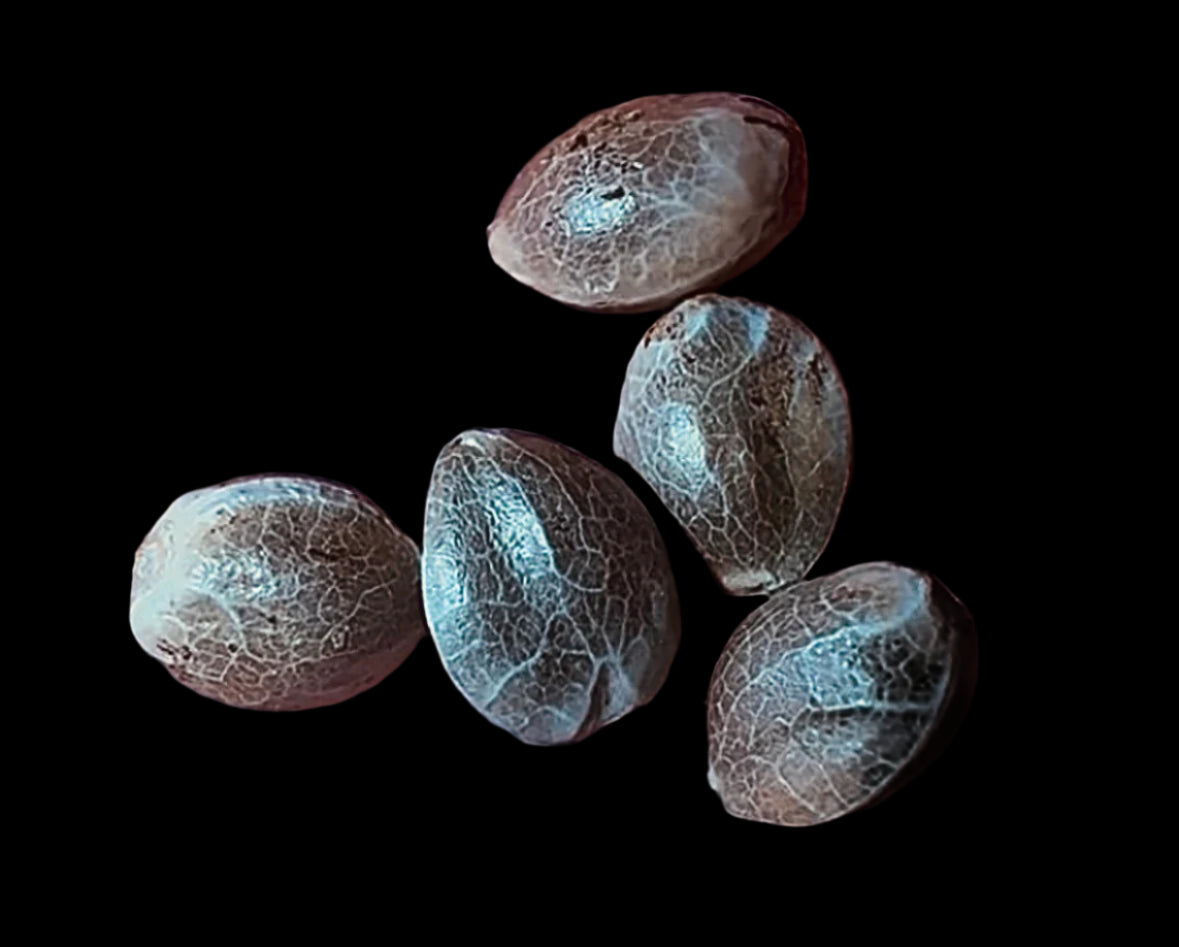
Pictured DOUBLE BUBBLE DONKEY FART OG FEMINIZED SEEDS
FEMINIZED PHOTOPERIOD SEEDS
The Genetics of All-Female Cannabis Plants
In challenging the natural binary of plant sex, feminized seeds represent a profound scientific advancement in cannabis cultivation. Male plants, while essential for breeding, are largely undesirable in production grows due to their ability to pollinate females and reduce bud quality. Feminized seeds, developed through controlled breeding techniques that induce female plants to produce pollen, ensure that nearly 100% of offspring are female. This innovation bypasses the randomness of sex expression in cannabis and allows cultivators to optimize their space, time, and resources—maximizing yields without the need for constant monitoring and culling of male plants.

