North Macedonia's Bid to Be the Balkans' EU-GMP Hub
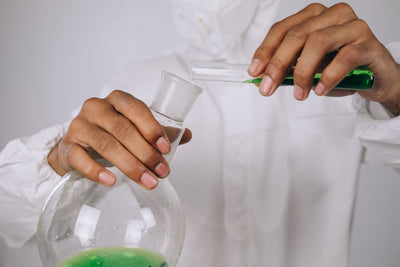
Photo by Thirdman via Pexels.
On February 25, 2026, a California company that owns the KANHA brand said it would make pharmaceutical-grade cannabis edibles in Skopje. The partner is New Garden Pharma, and the target markets are Europe and Australia. A California edibles brand choosing a Balkan capital as its route into regulated medical markets is unusual enough to deserve a close look.
The question underneath it is bigger than one deal. Can a small EU-candidate country become a processing gateway, a place where product is finished, documented and cleared for export, rather than just a cheap place to grow a crop?
A caveat first. The evidence base here is thin. One press release, republished by a trade outlet, is the only confirmed source, and I could not reach any regulator's records. So this piece marks its sentences as it goes: what is confirmed, what is reasoned extrapolation, and what is open speculation.
Key takeaways
- Sunderstorm, the California company behind KANHA, announced on Feb 25, 2026 that it will make pharmaceutical-grade edibles at New Garden Pharma's EU-GMP site in Skopje.
- The edibles are aimed at Europe and Australia, but the claims of compliance come from the companies' own release, not an independent audit. The release gives no capacity or certificate detail to test them against.
- Licensing rules, certificate details and shipment data remain unconfirmed, so the next 1-3 years hinge on checking public registers, not press releases.
What Was Actually Announced in Skopje
Here is what the record confirms. On February 25, 2026, Sunderstorm, a California cannabis company that owns the KANHA brand, announced a strategic partnership with New Garden Pharma. New Garden Pharma is described as a licensed manufacturer in North Macedonia.
Sunderstorm plans to make pharmaceutical-grade cannabis edibles at New Garden Pharma's EU-GMP facility in Skopje. The stated destinations are Europe and Australia. The two companies also plan to commercialize premium cannabis flower and to develop new product formats together.
Now the caveat. The announcement went out through PRNewswire and was republished by Cannabis Tech. The framing, that Skopje supplies the regulatory compliance and manufacturing infrastructure needed for global medical markets, is the companies' own. Nobody independent has verified it.
Plenty is also missing. The research found no investment size, no production capacity and no detail on the scope of the EU-GMP certificate. It found nothing after February 2026, so whether any product has actually shipped is unknown.
Treat the announcement, then, as an intention with a named site attached. That is worth tracking, but it is not yet evidence of a working supply line.
Why EU-GMP Is the Real Asset, Not the Soil
In plain terms, EU-GMP is a manufacturing quality standard for medicinal products. It covers documented procedures, trained staff, controlled facilities and batch records. European importers and regulators generally treat it as the baseline for medical cannabis supply.
The reasoned extrapolation is that for a processor, the certificate and the quality system behind it are scarcer than land or labor. Soil and sunlight are easy to find. A site that has already passed inspection, and has the paperwork habits to keep passing, takes years to build. That is why a brand like Sunderstorm would plausibly partner for a site rather than construct its own.
There is historical background worth reasoning from, though I have not verified it against sources for this piece. Some European supply chains reportedly grew around certified facilities. Canadian producers bought or built European GMP footholds to reach German pharmacies. The pattern, if it holds, is that access followed the certificate, not the farmland.
The details of this particular certificate are unconfirmed: issuing authority, date and scope. The EudraGMDP database is the place to check, and anyone doing diligence should start there rather than with the press release.
Here is the conservative counter-case, and it is a serious one. A GMP certificate covers specific activities and dosage forms. One that covers dried flower handling or extract production does not automatically cover edibles. The headline says EU-GMP; the scope line says what can actually be made. Scope is where this deal will be won or lost.
The Case That North Macedonia Can Be a Gateway
Start with background that should be verified against official sources. North Macedonia has, as I understand it, permitted medical cannabis production under licensing for several years, and it has been an EU candidate country for a long time. Neither point is confirmed by the brief.
The reasoned argument runs like this. A lower-cost, EU-adjacent jurisdiction with an existing licensed manufacturer lets a foreign brand test European demand without the overhead of a core EU market. Rent, labor and build-out costs are lower. A brand can learn what European medical buyers want before committing to a large fixed investment.
The Australia angle is part of the pitch. The release names Australia, a large prescription market that imports much of its supply. If one EU-GMP site can credibly serve both regions, the brand gets two markets from one compliance investment. That is the efficient version of the story, and it explains why the release names both.
Now the more speculative read. If one foreign brand succeeds in Skopje, other North American and Israeli brands that need a European processing partner may follow. Contract manufacturing tends to cluster, because shared inspectors, suppliers and know-how lower the cost for each newcomer. That would turn a single deal into a sector pattern.
For any of this to be true, three things must hold:
- Licensing stays stable and predictable.
- Export permissions are reliable, not negotiated shipment by shipment.
- Inspections come back clean, repeatedly.
If any one of them fails, the gateway thesis weakens quickly.
The Conservative Counter-Case: Edibles, Export Rules and Politics
Edibles are the hard part. In most European medical systems, flower and extracts dominate. An edible would likely need to qualify as a medicinal product in each destination country, and the regulatory path for each one is unconfirmed here. A pharmaceutical-grade label is a manufacturing claim, not a marketing authorization.
Export and import sit with different authorities. Skopje needs permission to send product out, and each destination needs to approve it coming in. The Ministry of Health and the MALMED registers should show current rules on the Macedonian side. This research could not confirm them, so I will not guess at what they allow.
Candidate-country status cuts both ways. It signals alignment with EU standards, and that helps credibility. It offers no guarantee of favorable trade treatment, and accession talks have been slow. Being near the club is not the same as being in it.
History argues for caution. Several early European cannabis supply deals stalled on documentation, import quotas or inspection findings, not on lack of demand. Buyers were there; paperwork was not. If Skopje stumbles, the likeliest cause is that same dull one.
And a brand partnership announcement is not a shipment. The brief found nothing after February 2026. Until a batch clears a border and reaches a pharmacy or prescriber, the honest label for this project is plan, not supply chain.
What to Watch Over the Next 1-3 Years
Over the next one to three years, a handful of verifiable signals will tell you more than any further press release. Here they are in the order I would check them:
| Signal | Where to check | A positive result means |
|---|---|---|
| EU-GMP certificate scope | EudraGMDP database | Edibles or the relevant dosage forms are actually covered |
| Licensed producers and licence status | MALMED register | New Garden Pharma is current and in good standing |
| Changes to licensing law | Ministry of Health (zdravstvo.gov.mk) | Rules are stable or becoming friendlier to export |
| First export notifications | Company announcements, regulator disclosures | Product has cleared a border |
| Production or shipment figures | Sunderstorm, New Garden Pharma | Capacity is real, not just claimed |
| Acceptance in Germany or Australia | Destination regulators, importers | Skopje-made product is usable in those systems |
| Other Macedonian partnerships | Licensed companies' announcements | A sector pattern, not a one-off |
The last row matters because one deal can be an accident. Two or three similar ones would suggest a sector pattern.
Risk factors deserve equal attention. EU regulation could change. German or Australian demand could shift, or tighten around different product types. Quality or inspection problems at any single site could freeze a whole pipeline. None of these is predicted here, but each would change the forecast.
Opportunities for Operators and Investors Watching the Balkans
Based on this one partnership, the most plausible near-term business model is contract manufacturing and white-label production. Brands that lack European compliance infrastructure rent it instead of building it. That is the logic the Sunderstorm announcement implies.
Ancillary opportunities follow, and all of them are speculative. Testing services, packaging built to pharmaceutical standards, and regulatory consulting for brands entering EU-adjacent markets would all gain if a processing cluster formed. Service businesses often make steadier money than the brands they serve, but that is a pattern, not a finding about Skopje.
State the assumptions plainly. This only works if Skopje-made product clears destination-country import rules. No market-size or funding figures are available, so I will not put a number on the opportunity. Anyone quoting one for this sector right now is making it up.
Due diligence is simple and unglamorous. Before treating a press-release claim as capacity, ask for:
- The EU-GMP certificate, including its scope.
- The Macedonian licence number, checked against the register.
- Recent inspection history and any findings.
- Evidence of export permissions already granted.
If a counterparty hesitates on any of these, that tells you something too.
The most useful reading of the Skopje deal is as a test. It asks whether regulatory infrastructure can be rented across borders: whether a brand from California can borrow a Balkan site's compliance record and use it to reach European and Australian patients. The answer will show up in inspection records and shipping manifests, not announcements.
If it works, expect copycats within a year or two, because contract manufacturing clusters once someone proves the route. If it stalls, the likely cause is paperwork rather than demand, which is how many earlier European cannabis supply plans slowed. Either outcome will be informative, and both are checkable by anyone willing to look at the registers.
Sources
- North Macedonia Medical Cannabis Market
- KANHA Pushes Into Global Medical Markets With New EU‑GMP Partnership - Cannabis Tech
- Cannabis in North Macedonia
- Europe’s Cannabis Land Grab: The 30 Companies Leading EU Market Expansion In 2026
- EU-GMP Certification for Cannabis: The Complete 2026 Gui
- Flower Power