Māori Hemp Enterprises and the Treaty in New Zealand
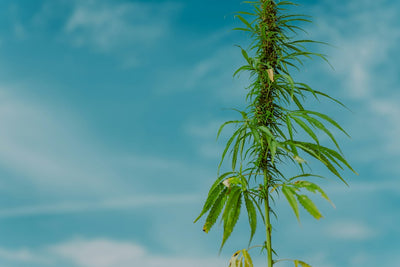
Photo by Francesco Ungaro via Pexels.
Hemp is not a taonga species in the way harakeke is. Cannabis came to Aotearoa with Europeans, and any story about Māori-led hemp has to begin there, not with a borrowed tradition.
What makes the topic worth covering is a real structural tension. Te Tiriti o Waitangi promises Māori authority over their lands and resources. Industrial hemp and medicinal cannabis, meanwhile, run through a licensing system administered by the Ministry of Health, which makes no reference to iwi or hapū.
This is a framework piece. Specific Māori-led hemp enterprises, acreages and licence numbers could not be verified for this article, so none are claimed. What follows is the legal and historical terrain a reader needs to judge any claim they come across.
Key takeaways
- Cannabis is not a traditional Māori crop; harakeke (flax) was the historic fibre, so the hemp case rests on Treaty rights and economics.
- Article 2 of Te Tiriti guarantees tino rangatiratanga over lands and taonga, but no verified cannabis-specific Tribunal finding is cited here.
- Multiply-owned Māori freehold land and licensing rules under the 2006 hemp regulations are practical hurdles; readers should verify current rules.
Harakeke Came First: Hemp's Place in Māori History
Māori fibre culture was built on harakeke, the New Zealand flax, Phormium tenax. It supplied clothing, rope, baskets, mats and much else. Cannabis, by contrast, arrived with Europeans, and there is no basis here for claiming ancestral Māori cannabis use.
That history still matters, just in a different way. Raranga, the art of weaving, comes with detailed knowledge of when and how to cut harakeke, which leaves to take and which to leave so the plant keeps thriving. It is a worked example of Māori managing a fibre plant as a long-term resource.
Some Māori growers and advocates draw on that experience when they talk about hemp. They describe it as a fibre crop that could sit alongside existing land stewardship and fit the values of kaitiakitanga, the duty of guardianship over land and resources. That is a perspective held by particular people, not a settled consensus across iwi, and plenty of Māori will see the matter differently.
The honest framing is economic. Hemp is a contemporary opportunity that Māori landholders may choose to pursue, or not. Presenting it as a revived tradition would be inaccurate, and it would also do a disservice to the harakeke knowledge that is genuinely Māori.
What the Treaty Actually Guarantees

Photo by Jeffry Surianto via Pexels.
Te Tiriti o Waitangi was signed in 1840. Article 2 affirms tino rangatiratanga, chiefly authority, over lands, forests, fisheries and other taonga. That wording is the backbone of most Treaty arguments about resources.
The closest the Waitangi Tribunal has come to plants as a subject is Wai 262. Its report, Ko Aotearoa Tēnei, examined Māori interests in flora, fauna and taonga species, along with the intellectual property questions that follow. It is useful context for how the Crown might think about Māori interests in plants. It is not a ruling on cannabis or hemp.
The research for this article could not confirm any Tribunal claim or hearing specific to cannabis or hemp. None is asserted here.
There is also a legal gap worth understanding. Treaty principles guide how the Crown makes decisions, and ministers and agencies are expected to take them into account. They do not, on their own, create a licence entitlement for any iwi or hapū. A Māori entity wanting to grow hemp still applies under the same regulations as everyone else, unless Parliament decides otherwise.
The Licensing Reality: Hemp and Medicinal Cannabis Rules
Industrial hemp is regulated under the Misuse of Drugs (Industrial Hemp) Regulations 2006, with licences issued through the Ministry of Health. Anyone planning to grow commercially needs to work within that system.
Medicinal products follow a separate pathway. The Medicinal Cannabis Scheme set up its own regime for medicinal products, separate from the hemp regulations. Its current settings should be checked directly on health.govt.nz.
Adult-use legalisation is a different matter. The referendum on recreational cannabis failed, with a narrow majority voting no. That left a recreational market off the table, and it means any Māori commercial role has to be found in hemp and medicinal channels.
One caution applies. Changes to these rules in 2025-26 could not be verified for this article. Laws change, and readers should confirm current licensing requirements with the Ministry of Health and legislation.govt.nz before acting on anything here.
- Industrial hemp: 2006 Regulations, Ministry of Health licences
- Medicinal products: Medicinal Cannabis Scheme, separate pathway
- Recreational use: referendum failed, no adult-use framework
Whenua Māori: Land Law as a Business Hurdle

Photo by Petra Reid via Unsplash.
Licensing is only one hurdle. Land is the other, and for Māori landowners it comes with its own statute. The Māori land legislation governs Māori freehold land, which is frequently held in multiple ownership, sometimes with hundreds of beneficiaries.
That structure protects land from being lost, which is its purpose. It can also make leasing, decision-making and raising finance slow. A hemp crop needs upfront investment, equipment and compliance work, so a block with scattered owners can struggle to move at the pace of a growing season.
Against that, many Māori land trusts and incorporations already run farming, forestry and horticulture. They have governance structures, managers, machinery and relationships with banks and processors. In principle, a hemp venture could build on that existing infrastructure instead of starting from scratch.
Whether that is happening is another question. Named Māori-led hemp enterprises, their acreage and their licence counts were not verified for this article, and none are listed. Anyone writing or investing on this topic should get those figures from the entities themselves and from Ministry of Health records.
Politics and Positions: Who Is Making the Treaty Argument

Photo by Matthew Larsen via Unsplash.
The Treaty argument is being made most visibly in party politics. The Legalise Cannabis Party's 2026 policy page says it supports Treaty principles of partnership, tolerance and cooperation. It argues that legal regulation supports fairer law and Māori self-determination. That is party advocacy, not a government finding, and should be read as such.
The argument connects to a wider justice debate. Māori have been over-represented in cannabis enforcement, a point repeatedly raised in reform discussions. Any figures should be checked against Ministry of Justice or Police data before they are cited, and none are given here.
The timing of the 2026 general election should also be confirmed before anyone makes an election-year claim. Policy pages are written to win votes, and dates and commitments shift.
Several things will show whether the Treaty case gains traction:
- Māori participation commitments written into any licensing reform
- Crown consultation with iwi and hapū on hemp and medicinal cannabis rules
- Any filings with the Waitangi Tribunal that touch on cannabis or hemp
The bottom line is plain. The case for Māori leadership in hemp is a policy and economic argument built on land and self-determination. It does not rest on a documented cannabis tradition, because the documented fibre tradition is harakeke.
Three things would settle how strong the case is: verified licence data showing who actually holds hemp licences, named iwi or trust enterprises with real acreage, and any engagement from the Waitangi Tribunal. Until those exist, claims in either direction deserve caution.
New Zealand's rules change, and this article could not verify 2025-26 updates. Check health.govt.nz, legislation.govt.nz, parliament.nz and waitangitribunal.govt.nz before relying on any detail.