Vietnam Hemp Seed Quota: What We Can Confirm for Cambodia
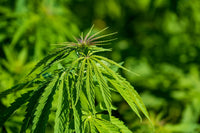
Photo by ulleo via Pixabay.
A claim has been passed around regional trade chatter: Vietnam has set an import quota on hemp seed, and Cambodian growers are feeling the squeeze. It sounds specific enough to be true. Yet no primary source turned up for it, whether a ministry notice, a customs circular or a quota document with a number on it.
What follows sorts the documented from the undocumented, because the difference decides whether a Cambodian grower or trader should change any plans for seed this season.
The Claim, and Why It Needs Checking
The premise is simple: Vietnam limits how much hemp seed can be imported, and that cap has downstream effects on growers in Cambodia. Nothing surfaced on the issuing ministry, the dates or the volumes. A forwarded message about a cap can still change what a farmer plants and which contracts a trader signs.
Part of the confusion is that the phrase hemp seed covers several different things. Customs and drug law treat each of them differently:
- Hemp seed as food or oilseed: hulled seed, seed cake or pressed oil, usually handled as a food or agricultural commodity.
- Seed for planting: viable seed intended to grow a crop, which tends to draw plant-health and narcotics scrutiny.
- Seed from cannabis varieties: seed from drug-type plants, which falls squarely under narcotics control in most strict-law countries.
A quota rumor that does not say which of these it means is incomplete from the start.
Vietnam's Restrictive Framework

Photo by Fakhri Abbas via Pexels.
Vietnam's drug control framework treats the cannabis plant as a prohibited substance. Cultivation and possession are restricted, and enforcement runs through the public security system.
It follows that importing seed of the plant, even for industrial hemp, would run into narcotics-control rules. It would more likely need specific authorization than fall under an ordinary commercial quota. A quota implies a routine, licensed trade, and no such trade for planting seed appears in what we found.
Vietnamese officials and researchers have discussed industrial hemp from time to time. No particular pilot, decree or date can be sourced, and talk about a crop is not a legal import channel.
One distinction deserves attention. Processed hemp seed foods and non-viable seed may be treated differently from viable planting seed. Whether heat-treated or hulled seed clears customs under food rules, and under what classification, is exactly the detail to confirm in writing with Vietnamese customs.
Until a written ruling says otherwise, traders should treat viable seed of any cannabis plant as falling under narcotics control before ordinary trade rules apply.
Where Cambodia Stands

Photo by Pon Thhao via Pexels.
Cambodia's drug control law classifies cannabis as a narcotic. No licensed commercial hemp export sector in the country turned up.
Practice has been messier than the statute: cannabis leaves have appeared in some traditional Cambodian dishes and in tourist-area cafes selling cannabis-infused food, a gray area the law does not recognize.
Two bodies are the right places to look for anything official. The Ministry of Agriculture, Forestry and Fisheries would be involved in any crop or seed program. The National Authority for Combating Drugs handles narcotics policy and enforcement.
Without a legal hemp program, any Cambodian grower's exposure to Vietnamese import rules is likely informal, undocumented or unconfirmed. A farmer cannot be squeezed by a quota on a trade that has no lawful paper trail on the Cambodian side. That is a reason to doubt the framing, even if it does not disprove it.
Growing or trading cannabis in Cambodia can carry criminal penalties. Anyone considering seed trade or cultivation should get local legal advice before acting, not after.
If a Quota Existed: The Likely Ripple Effects

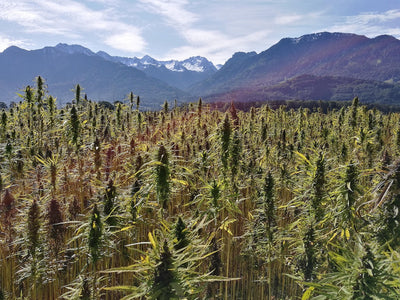
Photo by Canvast Supply Co. via Unsplash.
Nothing in this section is confirmed. If a cap on seed imports did exist, less seed would move through formal channels, and some trade would likely drift to land borders where documentation is thin.
A cap would likely hit sellers of seed or oilseed harder than fiber growers. Fiber crops depend on the stalk and need seed only at planting, while seed and oilseed sellers depend on volume sold. Cambodia's small-farm structure would leave growers with little leverage, since they lack the scale to negotiate or the organizations to lobby.
The useful part is the questions it raises. Which product does the cap cover? Who issues it, and for what period? Who may import? A trader who cannot answer these has no evidence of a quota.
How to Verify Before You Act
Before acting on the quota claim, take these steps in order:
- Ask Vietnamese customs and the Ministry of Industry and Trade for a written ruling on the specific product and whether any quota applies.
- Check notices from Cambodia's Ministry of Agriculture, Forestry and Fisheries for any hemp or seed-related rules.
- Ask any trader who cites a quota for the document number and issue date. A real instrument has both.
- Cross-check primary-sourced reporting in outlets such as Khmer Times, Phnom Penh Post, VnExpress and Vietnam News.
- Hire a customs broker or local lawyer to classify the product, whether food-grade seed, oil or planting seed, before anything ships.
Do not sign a supply contract that depends on a quota rule nobody can produce on paper.
For Cambodian growers and traders, the larger exposure is probably legal. Neither country offers a clearly lawful hemp seed trade route, so the first question is whether the trade is permitted at all, and a written answer from the right authority outweighs any rumor.