Best Dehumidifier Setup to Prevent Bud Rot Indoors
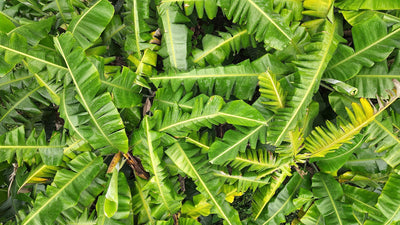
Photo by noexcusesradio via Pixabay.
You pinch open a dense cola in week 7. The outside looks perfect, frosted and tight. Then the core comes apart in your fingers: gray, damp, smelling faintly of wet cardboard.
That plant did not get unlucky. Bud rot is a moisture-management failure, and a dehumidifier is only one piece of the system that prevents it. Buy the wrong unit, put it in the wrong spot or ignore airflow, and you will still lose flowers.
This guide covers the practical setup: how to size a unit, where to put it, how to control it, and how to pair it with airflow and temperature. Some figures here are commonly cited rules of thumb rather than lab-verified thresholds, and I flag them as such. Your room, climate and genetics will move the numbers.
Key takeaways
- Late flower is where bud rot strikes, and a commonly cited target is keeping relative humidity roughly 40-50% with constant air movement.
- Dehumidifier pints-per-day ratings changed under 2019 US Department of Energy test conditions, so older and newer spec sheets cannot be compared directly.
- Lights-off is when humidity spikes, so put your humidity sensor at canopy level and check overnight readings, not just daytime ones.
Why Bud Rot Takes Hold Indoors
Bud rot is Botrytis cinerea, a fungus that thrives in high relative humidity and stagnant air. It favors dense late-flower colas, and it almost always starts inside them, where air never reaches. The outside can look healthy until the damage is well advanced.
Lights-off is where many rooms get into trouble. Plants keep transpiring after the lights go out, and in a sealed room that moisture has nowhere to go. RH climbs overnight, often while you are asleep and not looking at the hygrometer.
Timing matters too. Late-flower buds are heavy, dense and hold water, which is why the last three weeks carry the most risk. A cola that shrugged off moderately humid air in week 3 can turn into a sponge in week 7.
A dehumidifier fixes the moisture load. It does not fix a crowded canopy. If branches are touching, fan leaves are blocking the airflow under the buds and the middle of the plant is a dark tangle, you are asking the machine to compensate for a structural problem.
So defoliation and spacing still matter. Open the canopy so air can reach the interior of the plant, then let the dehumidifier handle what is left. Treat the two as one job.
Sizing a Dehumidifier for Your Grow Room
Dehumidifier capacity is quoted in pints per day, and that number is slipperier than it looks. The US Department of Energy changed its test conditions in 2019, which lowered the rated pints/day for many units. A newer unit can look weaker on paper than an older one that removes the same amount of water.
Never compare an older spec sheet with a newer one without checking which test standard each used. Look at the rating conditions too: the temperature and RH at which the capacity was measured. A figure rated at a warm, humid test point will not match what you get in a cooler, drier room.
Size by the water your plants release, not by floor area alone. More plants, a bigger canopy and late-flower transpiration all raise the load, so a flowering room needs more capacity than a veg room of the same size.
When in doubt, go slightly larger. A unit running flat out all night has no margin when conditions worsen, and a slightly oversized one cycles off and on with room to spare.
Commercial-grade units from makers such as Quest, Santa Fe, AlorAir and Ideal-Air are the usual shortlist for serious rooms. Compare them on current manufacturer specs, not forum memory, since ratings and models change.
Residential units can work in small tents. Check two things first: that the unit restarts by itself after a power loss, and that it tolerates warm grow-room temperatures. Some stay off after an outage, and you find out the hard way.
Placement, Drainage and Heat
In a small sealed tent, a compact dehumidifier removes moisture right at the source. The tradeoff is heat and noise in a very small space, so factor both into your temperature plan.
In a dedicated room, place the unit away from the canopy. Its exhaust air is warm and dry, and blowing it directly onto plants invites uneven drying and leaf stress. Aim it along a wall or into open room air.
Plan for condensate before you plan for anything else. Run it straight to a drain, or use a condensate pump. A bucket that fills overnight shuts the unit off at the worst possible moment.
Remember that every dehumidifier is also a heater. The compressor and fan put heat into the room, and with high-output LEDs already running, that adds to your cooling load. Account for it when sizing your AC or exhaust.
- Keep intake filters clean so airflow across the coils stays strong.
- Raise the unit off the floor if the room sees watering spills.
- Seal obvious air leaks around doors, ducts and cable passes.
That last point is easy to overlook. A room pulling in humid outside air will keep your dehumidifier fighting a losing battle, no matter how big it is.
Pair It With Airflow, Exhaust and VPD

Commonly cited maximum relative humidity targets drop steadily as plants mature, from 70% for seedlings and clones to just 45% in late flower. Growers need progressively more dehumidification capacity as the cycle advances.
A dehumidifier controls humidity in the air. Oscillating fans keep moisture from pooling inside the canopy, which is where rot starts. You need both.
Place fans so air moves through and under the canopy, not just across the top. If the tops sway but the lower branches sit still, the interior is stagnant. Aim for gentle, visible movement of leaves throughout the plant.
For targets, these humidity ceilings are commonly cited. Treat them as rules of thumb, and adjust for your genetics, temperature and local conditions:
- Seedlings and clones: the highest ceiling of any stage.
- Veg: somewhat lower than seedlings.
- Early flower: lower again as buds begin to form.
- Mid flower: lower still as buds bulk up.
- Late flower: the lowest ceiling, within the 40-50% range above.
Pair humidity with temperature through VPD. Warmer air holds more water, so the same RH means different stress at different temperatures. A room at a given RH and a warm temperature behaves very differently from the same RH when cool.
Exhaust fans with a carbon filter swap in drier outside air when your climate allows it, which takes load off the dehumidifier. When outside air is humid, the dehumidifier handles the rest. Think of exhaust as the first line and the dehumidifier as the backstop.
Controls and the Lights-Off Problem
If the built-in humidistat is coarse or reads inaccurately, plug the dehumidifier into an external humidity controller. It gives you tighter setpoints and a probe you can place where it matters.
That place is canopy level, not the wall. Readings differ between the canopy and the room, sometimes by several points, and the canopy is what the fungus cares about. Put a hygrometer there, next to the densest colas.
Then log overnight highs for a week. The worst RH spike is often at lights-off, when transpiration continues and temperature drops. That number tells you more than any afternoon reading.
Two adjustments help with the lights-off problem:
- Shift the light schedule so lights-off falls during the cooler part of the day, which can reduce overnight humidity swings.
- Avoid big temperature drops at lights-off. Cooler air reaches saturation faster and can push buds toward condensation.
Last, check your electrical layout. Keep the dehumidifier and controller off a circuit shared with other heavy loads such as AC units or heaters. A tripped breaker at 3 a.m. is a silent failure that you discover at sunrise.
Scouting, Genetics and What to Do if Rot Appears
Scout dense colas in late flower every few days. Look for gray or brown discoloration, wilting sugar leaves and a mushy core. Sugar leaves that suddenly droop on one cola are an early warning worth following up.
If you find rot, cut out the infected bud well below the visible damage. Remove it from the room carefully, ideally in a bag, to avoid spreading spores. Do not shake it over the canopy.
Check neighboring colas right away. Spores spread easily, and rot usually shows up in clusters rather than as a single event.
Genetics matter here. Denser indica-leaning cultivars hold more moisture than airier sativa-leaning ones, so choose genetics that fit your room's humidity control. If your climate runs humid or your equipment is modest, structure should be part of the selection. Seedtiva offers quality genetics suited to different indoor conditions, which helps when you are matching a plant to a room.
Outcomes vary by climate, setup and genetics. Treat every target in this guide as a starting point, and let your own overnight logs, not a generic chart, decide where you land.
A dehumidifier is insurance, and you size it for your worst night, not your average afternoon. That is why the overnight log is the number that tells you whether your setup works. A room that looks fine at 2 p.m. and spikes at lights-off in week 7 is a room that is going to lose flowers.
Before your next flower run, do two checks. Confirm the pints/day rating conditions on your unit's spec sheet, and put a sensor at canopy level. Those two checks catch most setup mistakes, and both take under an hour.
Sources
- Best Dehumidifiers for Grow Rooms 2026 — Quest, Anden & More
- 6 Best Dehumidifiers for Grow Rooms in 2026 - SpectraLore
- 10 Best Dehumidifiers For Grow Rooms In 2026
- Choose The Best Dehumidifier For Grow Tent in 2026
- 7 Best Dehumidifiers for Grow Room (2026 Guide)
- 7 Best Dehumidifiers for Cannabis (2026 Guide)