Full Melt Hash Explained: What It Means and How It's Made
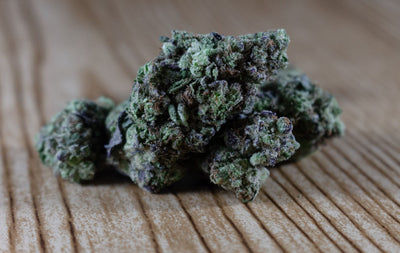
Photo by 4657743 via Pixabay.
Put a dab of bubble hash on a hot nail and watch what happens. The good stuff bubbles, sizzles and collapses into a clear golden oil. The rest blackens, smokes, and leaves a crust of ash you have to scrape off before the next hit.
That difference is what the term full melt describes. It is a quality grade for ice water hash, not a product category, and it gets tangled up with rosin and with hash in general all the time. Rosin is pressed with heat. Hash is a broad family. Full melt is a verdict on how clean a particular batch of bubble hash turned out.
This guide walks the whole path: genetics, harvest, washing, sorting, drying and testing. I will also be straight about the shaky parts. Star ratings and micron ranges are shared conventions, not regulated standards, and I will flag them as such.
Key takeaways
- Full melt describes how completely a hash vaporizes under heat, leaving little or no char, not a separate product type.
- Fresh-frozen, resin-rich starting material and cold, gentle washing matter more than any piece of equipment.
- Commonly cited head micron ranges sit around 70-120, but standards vary by producer and competition, so treat them as guides.
What Full Melt Actually Means
Full melt is a grade applied to ice water hash, also called bubble hash. The grade reflects how completely a sample melts and vaporizes under heat. Top-tier material leaves little to nothing behind on the nail.
You will often hear six-star as the top tier. Treat that as informal. Different producers and competitions draw the star lines in different places, so a six-star from one washer may not match another's. Use the stars as shorthand, not as a certificate.
The residue is the whole story. What does not vaporize is plant matter, cell wall fragments and other contaminants that rode along with the resin heads. The cleaner and more intact the trichome heads, the less debris is left to char.
Two clarifications save a lot of confusion:
- Full melt is not rosin. Rosin is made by pressing flower or hash with heat and pressure. You can press full melt hash into rosin, but the terms describe different things.
- Full melt is not a potency or flavor guarantee. It measures purity and head integrity. A very clean wash of a mediocre cultivar is still a mediocre dab.
Think of it like a clarity grade on a gemstone. It tells you how little junk is in there, not how impressive the stone is.
Start With the Right Plant Material
Full melt starts at seed selection. Resin-heavy cultivars with large, well-stalked trichome heads release cleanly in cold water, while plants with small, sessile glands cling to the leaf and drag plant matter along. If you want to wash, pick genetics bred for resin and for easy separation, then run a small test wash before committing a whole room.
Harvest timing comes next. Aim for mostly cloudy trichomes with some amber showing, so the heads are mature but not degrading. Overripe heads get fragile and lose terpenes, and underripe heads are small and sticky with little to give.
Freshness decides how much of that quality survives. Fresh-frozen material, flash-frozen right at harvest, keeps heads intact and terpenes locked in better than dried flower for most washers. Dried flower can still make hash, but heads are more brittle and the flavor tends to be flatter.
Cleanliness is non-negotiable. Hash concentrates whatever is on the plant, so powdery mildew, botrytis, pest residue and dust all end up in the final product. If you would not want to smoke a flower, do not wash it.
Yield and wash quality vary with genetics, climate and setup, and no two rooms behave the same. This is where well-bred seeds pay off, and Seedtiva offers quality genetics suited to resin-focused growers. Whatever you run, keep notes by cultivar so you learn which plants wash well in your hands.
The Ice Water Wash, Step by Step

Photo by Teona Swift via Pexels.
The gear is simple: a wash bucket or machine, plenty of ice, cold clean water, and a nested set of micron-rated bags. The technique is where batches are won or lost.
- Load frozen material into the bucket or the largest bag, straight from the freezer.
- Add ice and water. Pack in ice first, then pour cold water over it so the slurry stays near freezing.
- Agitate gently. Stir slowly for a short period rather than whipping it.
- Settle. Let the mix rest so heavy resin heads sink and lighter debris stays suspended.
- Drain through the bag stack, then lift each bag and let it drip.
Temperature is the lever people underestimate. Near-freezing water keeps trichome heads brittle so they snap off cleanly. Warm water makes resin sticky and smeary, and sticky resin grabs plant matter.
Go easy on agitation. Harsh or long washes shred leaf and push chlorophyll and green fragments into the heads, which later show up as dark residue and a grassy taste. Short and gentle is the rule.
Finally, wash the same material more than once, and keep each wash separate. The first wash usually holds the cleanest heads, while later runs pick up more debris. Label each pass so you can compare them on the nail instead of blending away your best material.
Micron Bags and Where Full Melt Collects
Micron ratings describe the mesh opening in each bag. The heads of top-quality hash are commonly cited as collecting in roughly the 70 to 120 micron range. Take that as a starting point, since producers and competitions use different standards and your cultivar's gland size may sit a little higher or lower.
The bag set works as a sorting system. Small bags catch fragments, broken glands and debris. Large bags let heads pass through and hold back leaf. The ones in the middle are where intact heads settle.
Run each bag out separately and judge it by color, texture and feel. Good heads look light tan to golden and feel sandy and loose. Dark, greasy or green-tinged material is carrying contamination.
| Bag range (general guidance) | What tends to collect |
|---|---|
| Smallest bags | Fragments, debris, broken glands |
| Roughly 70-120 microns | Intact heads, most likely top grade |
| Larger bags | Mixed heads and plant matter, or material that passes through |
Do not blend bags until you have tested them. A single mid-range bag that melts clean is worth more than a big combined batch that leaves ash. Record which bag produced which result, and your own numbers will beat any chart, including this one.
Drying, Curing and Storage
Moisture is the enemy. Wet hash can mold quickly, so collect it with a spatula onto parchment and press out water gently. Do not crush or smear the heads, since broken glands lose terpenes and clump.
There are two common drying routes: freeze-drying, or air-drying in a cool, low-humidity space. Either is fine if you avoid heat, which cooks off terpenes and turns bright hash into something dull and flat.
Dry hash should crumble into a loose, sandy powder. If it clumps, feels tacky or holds a dent, it still has moisture or too much plant matter, and it needs more time before storage.
Once dry, store it cold, airtight and away from light, ideally frozen. Heat, oxygen and light all degrade terpenes and darken the material over time.
Appearance helps as a quick sanity check. Tan, sandy hash is typically a better sign than dark, gummy or green-tinged material. Color is not proof, but it usually tells you what the nail will say.
Testing the Melt and Troubleshooting Poor Results
The nail test is the verdict. Use a clean nail at a low temperature and dab a small amount. Full melt should bubble into a clear, golden oil and leave minimal char behind.
When it does not, the cause usually falls into one of these buckets:
- Dark residue: plant matter contamination, over-agitation, or small-micron bags mixed into the collection.
- Dull flavor: poor starting material, warm wash water, or flower that dried out before washing.
- Low yield: cultivars with small or poorly separating heads, or harvest timing that missed peak maturity.
Compare lots side by side on the same nail at the same temperature. Keep notes on cultivar, wash time, water temperature and which bag each sample came from. After a handful of runs, patterns show up fast, and you can change one variable at a time.
One last point: solventless rules and testing requirements vary by state, and this article does not cover them. Check your local regulator before you sell, share or enter anything in a competition.
Full melt is earned long before the wash. Genetics, harvest timing and the freezer decide most of the outcome, so the best upgrade is often better input rather than better gear. A cheap bucket with excellent frozen flower will beat a fancy machine running tired material.
Treat stars and microns as shared language, not law. They help you talk to other washers, but the nail is the judge. Run your lots side by side, write down what you did, and trust what melts.
Sources
- What Is Full Melt Hash? 6-Star Solventless Explained
- Full Melt Hash Explained: A Practical UK Guide
- What Is Full Melt Hash? Meaning, Grades and Myths - Plenny
- Full-Melt Hash the Popular Solventless Concentrate
- Full Melt Hash Dabbing Tips That Keep Your Terpenes Intact
- Every Variable That Decides If Your Bubble Hash Will Full Melt