How to Choose the Right Trim for Solventless Concentrates
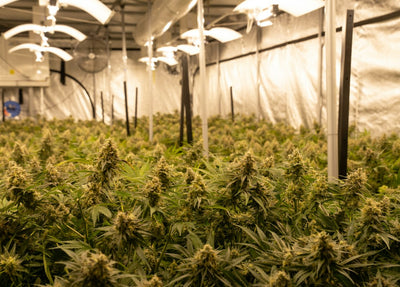
Photo via Pexels.
Every hash maker has a story about a batch that should have been incredible and wasn't. The genetics were right, the press was dialed, the wash technique was clean — and the rosin still came out thin, dull, and stingy on yield. Nine times out of ten, the problem traces back to a decision made before the wash bags ever got wet: what trim went into the freezer in the first place. Your press can be perfectly calibrated and your screens can be brand new, but none of that changes the amount of resin that was actually present on the material you started with. Trim sets a ceiling, and no amount of downstream skill raises it.
The variables that determine that ceiling aren't mysterious, but they do interact in ways that trip people up. Sugar leaf and fan leaf aren't interchangeable, fresh-frozen material behaves nothing like trim that sat out for a few hours, and genetics can make or break a wash regardless of how the plant was handled post-harvest. Get any one of these wrong and you're capping your own yield before you've touched a screen. This guide breaks down what to actually look for — whether you're sourcing trim from a partner grow, buying it, or planning your own garden specifically to feed a solventless program.
Sugar Leaf vs. Fan Leaf: Why the Difference Matters
Sugar leaves are the small, resin-crusted leaves that grow directly out of the bud structure — the ones so coated in trichomes they often look frosted white even before harvest. Fan leaves are the big, flat water leaves that do the plant's photosynthesis work; they carry chlorophyll, fiber, and almost no cannabinoid content worth extracting. Visually they can seem similar to someone who hasn't worked around cannabis much, but under a loupe the difference is obvious, and in a wash bag the difference is massive.
Trichome density is not evenly distributed across the plant. It's concentrated on sugar leaf and bud material, which means a pound of clean sugar leaf trim can out-produce several pounds of fan leaf by a wide margin. This is the single biggest reason two growers can process the same total weight of trim and end up with wildly different yields — one was washing resin, the other was mostly washing cellulose.
This is also where the term trim gets slippery. Plenty of material sold or handed off as trim is actually a mixed bag: sugar leaf tangled up with fan leaf that never got separated during the trim pass. That unsorted mix dilutes your average trichome content per pound, and you end up burning freezer space, wash time, and ice on material that was never going to contribute much hash. If you're sourcing trim from someone else, ask directly whether it's been separated into sugar leaf only. A grower who trims tight and separates as they go is going to hand you material worth working with; one who bags whatever came off the plant is handing you a yield problem.
Genetics matter here too, before trim selection even becomes a variable. Plants bred for dense trichome coverage extending onto the sugar leaves — not just the cola tops — give you a head start on trim quality that no amount of careful bagging can manufacture afterward. Seedtiva's genetics are selected with this in mind, so growers running a solventless program aren't fighting their own plant structure from day one.
Fresh-Frozen Timing: The Clock Starts at Harvest
Live rosin quality is decided in the first hour after the plant is cut, not in the wash room weeks later. The moment cannabis is severed from the root, volatile monoterpenes and sesquiterpenes start degrading at room temperature — the compounds responsible for the loud, specific aroma that separates live rosin from anything pressed off dry cured material. That degradation is fast, it's not reversible, and it doesn't care how good your press is going to be later.
How fast is fast enough? A hash maker referenced in a September 2026 High Times feature, produced in partnership with Humboldt Seed Company, described getting freshly cut flower into the freezer within 30 minutes of the chop. The piece followed the material all the way from freezer to press, and the throughline was that genetics, equipment, timing, and technical precision all compound — none of them individually saves a batch if the others are off. Thirty minutes isn't an arbitrary flex number either; it's roughly the window before terpene loss starts becoming noticeable in the finished product.
This is why vague trim sourcing is a red flag. If a listing or a supplier just says trim without specifying fresh frozen, hash-grade, or washed for rosin, assume it's been sitting at ambient temperature for an unknown stretch before bagging. That material can still make hash, but it won't have the terpene profile or the yield of something that hit sub-zero fast.
Sub-zero actually means something specific here — commonly -20°F or colder, and in a dedicated freezer, not a shared kitchen chest freezer that gets opened twenty times a day and swings in temperature every time someone grabs ice cream. Those swings promote condensation and degrade trichome structure over time.
Moisture is the other silent killer. Fresh-cut material carries a lot of water weight, and if it's bagged loosely or packed too dense before hitting freezing temps, that moisture becomes a breeding ground for mold or bacterial growth even inside the freezer. Material needs to freeze fast, in sealed and purged bags, with air pushed out before the seal goes on. Slow freezes and sloppy bagging turn a promising fresh-frozen batch into a moldy write-off before it ever reaches the wash.
Genetics: Some Strains Just Wash Better

Photo via Unsplash.
Trim quality has a ceiling, and genetics is what sets it before the first leaf is ever cut. Some cultivars are simply resin factories — dense trichome coverage, robust gland heads, and a structure that separates cleanly in an ice water wash even at conservative agitation. Others produce plenty of visible frost but wash poorly regardless of how fresh, how cold, or how carefully handled the trim is. This has been a known headache in phenotype selection for solventless work for as long as ice water hash has been a serious category — plenty of gorgeous, dense phenotypes just don't want to let go of their trichome heads in water, or the heads themselves are fragile and shatter into contaminant-sized fragments instead of separating cleanly.
One of the clearest tells of good genetics meeting good trim is what happens at lower press temperatures. When a cultivar is genuinely suited to solventless extraction, you can often press it in the 160-175°F range and still get a full, loud terpene expression with respectable yield. Weaker genetics tend to need higher heat to squeeze out comparable yield, and that extra heat cooks off the more volatile aromatics you were trying to preserve in the first place. If you find yourself cranking the plates past 195°F just to get acceptable numbers, that's often a genetics problem dressed up as a technique problem.
For growers planning a garden specifically to feed solventless production, this changes what you're selecting for at the cut stage. Bag appeal and bud structure — the things that matter for flower sales — aren't the same traits that matter for hash. You want trichome density on the sugar leaf, gland stalk integrity that survives agitation without shattering, and heads large enough to land in the productive micron range during the wash. Starting with well-bred seed genetics selected for these traits stacks the odds in your favor long before trim selection or freezer timing become variables at all.
The Wash: Screen Sizes and Where the Good Hash Lives

Ice-water wash screens range from 220 microns down to 25 microns, with each successive screen size decreasing in a stepwise progression to separate progressively finer trichome particles.
Once fresh-frozen trim goes into the ice water wash, the screen stack is what separates real hash from plant debris. A standard setup runs from coarse to fine: 220 micron, 160, 120, 90, 73, 45, and 25 micron bags. Material is agitated in ice water, trichome heads knock loose from the plant matter, and as the slurry moves down through the stack, particles get caught according to size — biggest debris and unbroken plant matter stay high, cleaner and smaller trichome heads work their way down.
The bags aren't just filters for junk, though that's part of the job. They're a grading tool. Trichome gland heads have a fairly consistent size range when they're intact and healthy, and that range happens to land in a sweet spot for pressing — generally material caught on the 73 to 159 micron screens is what serious solventless producers consider prime hash, the stuff that presses clean and full-melt with minimal plant contamination.
Everything caught above or below that range still has a use, it's just not the same tier. Material on the coarser screens (220u) usually carries more plant material mixed in with the resin and presses into a lower-grade, often darker rosin with less refined flavor. Material on the finer screens (45u and 25u) tends to be broken or immature trichome fragments — still cannabinoid-rich, but structurally compromised, better suited to lower-grade concentrate uses than a showcase press.
Here's where trim selection upstream comes full circle: everything that happens before the wash directly determines how much of your total yield lands in that 73-159 micron sweet spot. Clean, well-separated sugar leaf trim from resin-dense genetics, frozen fast and handled gently, breaks apart into intact, properly-sized trichome heads during the wash. Diluted, degraded, or poorly-timed trim doesn't just yield less total hash — it skews what you do get toward the low-value screens. You can't fix that ratio with a better screen stack. The screens only sort what's already there.
Yield Economics: Why Trim Choice Moves the Bottom Line

Photo via Unsplash.
The math on trim quality gets concrete fast once you look at actual conversion numbers. Roughly 100 pounds of standard flower-grade material converts into about 3 to 5 pounds of finished solvent-based rosin equivalent, while that same starting weight run as live resin through solvent extraction can produce 15 to 20 pounds. That's before you even get into solventless-specific numbers, and it illustrates just how much leverage the starting material has on everything downstream.
For ice water hash specifically, a well-made batch of bubble hash typically yields somewhere around 30 to 55 percent of its dry weight back as finished pressed rosin once you run it through the plates. That's a wide range, and where you land in it depends heavily on everything covered above — screen grading, wash technique, and critically, how much of that hash was actually prime-range material versus low-value screens.
Scaled up to premium flower, it takes roughly 20 pounds of top-tier fresh-frozen material to produce one pound of top-shelf live rosin. That ratio is steep, and it's exactly why live rosin commands $60 to $120 per gram at retail in mature markets — the economics reflect just how much raw plant material and precision it takes to get there, not just brand markup.
This is the part that makes trim selection a business decision as much as a craft one. Poor trim doesn't cost you a little at one step — it compounds losses at every stage after it. Less trichome density on the front end means less resin content overall, which means fewer heads land in the prime 73-159 micron range during the wash, which means less material makes it to the press as pressable hash, which means lower final rosin output relative to your starting weight. Each stage multiplies the previous one's shortfall instead of just adding to it. A grower who tightens up sourcing and timing on the front end sees that improvement reflected — magnified, really — in the final gram count, not just marginally improved.
Pressing Temperature and Handling the Fresh-Frozen Risk

Photo by Anna Tarazevich via Pexels.
Most hash rosin gets pressed somewhere between 160°F and 200°F, with 190°F functioning as a rough industry average for a reason: it's a workable middle ground between preserving terpenes and pulling acceptable yield. Push the plates lower — down toward 160-170°F — and you generally protect more of the volatile aromatic compounds, giving you rosin that smells and tastes closer to the live plant. The tradeoff is that lower heat often means less material flows out of the bag, so you're trading some yield for terpene fidelity. Where exactly that balance sits isn't universal — it shifts with your specific trim and genetics, which is why testing temperature in small increments batch by batch, rather than locking in one number for everything you press, is worth the extra time.
Fresh-frozen material brings a risk that dry trim doesn't: excess moisture. Freshly cut plant matter carries significant water content, and if that material is bagged too tightly or stored improperly before or during freezing, you're creating conditions for mold and bacterial growth that can compromise a batch before it ever reaches the press — sometimes without obvious visual signs until you're mid-wash.
Managing that risk means being disciplined at two points. First, drying the washed hash properly before pressing — freeze-drying has become the standard approach because it pulls residual moisture out of the hash cake without exposing it to heat that would degrade terpenes early. Second, keeping your sourcing clean from the start: fast freezing, sealed and purged bags, and trim that wasn't sitting around accumulating moisture or handling damage before it ever got cold.
Beyond moisture control, the habit that actually improves your pressing over time is simple record-keeping. Track plate temperature and time under pressure for every batch, and note it against the trim source and genetics you used. Patterns show up fast — certain material wants a shorter press at higher heat, other material rewards patience at a lower temperature. Without that log, every batch is a one-off experiment instead of a data point building toward a repeatable, dialed-in process specific to your material.
Every step in this process is a link in a chain — sugar leaf separated from fan leaf, minutes counted from cut to freezer, genetics actually suited to washing rather than just looking frosty, screens sorted to catch the prime range, plates dialed to protect what you worked to preserve. None of these steps compensates for a weak link somewhere else in the chain. A perfect wash on mediocre trim gives you a lot of low-grade hash, fast. Pristine fresh-frozen timing on the wrong genetics still washes poorly. There's no single fix downstream that rescues a bad decision made upstream.
That's the real argument for treating trim sourcing with the same seriousness growers already apply to choosing a press or building a wash setup. Nobody buys a mediocre press and expects it to somehow outperform a good one through technique alone — yet plenty of hash makers will spend thousands on equipment and then wash whatever trim happened to be sitting around. The material you start with isn't a background detail; it's the variable with the most leverage over your final result, full stop.
If solventless output is actually the goal rather than an afterthought, it belongs in the planning conversation at seed selection, not at harvest cleanup. That means choosing genetics known to hold up in an ice water wash, planning trim separation into the trim schedule itself, and having a freezer and bagging protocol ready before the first plant gets cut down. Outcomes will still vary with your climate, your equipment, and the specific phenotype you're running — that's just the nature of working with a living plant. But growers who plan for solventless from seed forward consistently get more out of the same square footage than those chasing better numbers by tweaking press settings alone.
Sources
- What Are Solventless Concentrates, How Are Solventless Dabs Different | Verilife
- Don’t Throw Away Your Trim! Turn Them Into Concentrates Instead
- Solventless Concentrate Types: A Complete Guide
- Solventless vs Distillate | Which Wins? (2026 Guide)
- Cannabis concentrates guide: types, THCA, dosing & how to choose | Weedmaps