Why Some Strains Make Better Concentrates Than Others
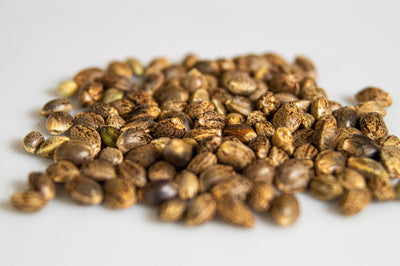
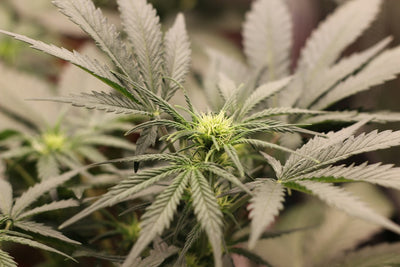
Photo by Jack H via Unsplash.
Walk any concentrate forum in 2026 and you'll see the same argument repeated in a hundred different threads: someone presses a strain everyone swears by, gets a mediocre wash, and can't figure out why the bag with the famous name let them down. The answer is almost always the same. A strain's reputation on the shelf tells you nothing about what happens when that flower hits a rosin bag or a wash bag full of ice. What actually predicts the outcome is sitting under a loupe the whole time — trichome density, head size, and how cleanly those resin glands shear off the plant material under pressure or agitation.
Extractors who take this seriously have stopped talking about strains in terms of vibes or lineage stories and started talking about them like raw material specs. The term making the rounds this year is hash dumper — genetics that convert to solventless concentrate at rates and consistency that make the press operator's job easy. It's not a marketing term, it's a shorthand for measurable traits: gland size in microns, shear behavior, terpene retention at specific press temperatures. This piece breaks down the actual biology behind why some cultivars dump resin generously and others fight you for every percentage point, what the current yield benchmarks look like, and which named genetics are actually earning their keep in extraction rooms right now — plus the honest caveat that a famous cut grown badly will lose every time to a lesser-known plant grown right.
Trichomes Are the Whole Game

Photo by Jack H via Unsplash.
Everything you're chasing in a concentrate — the cannabinoids, the terpenes, the flavor and effect profile — is manufactured and stored in the trichome head, a tiny mushroom-shaped gland sitting on top of a stalk. It doesn't live diffusely through the leaf or stem tissue. It's concentrated in these glandular structures, which means the entire question of concentrate quality is really a question about trichome biology: how many glands per unit of surface area, how large the heads are, and how intact they stay through harvest and processing.
A peer-reviewed review published in 2026 makes a point that doesn't get repeated enough in grower circles — accurately assessing trichome density is genuinely difficult, and there's still no standardized methodology that labs and breeders agree on. Anatomical variability across different parts of the same plant, different growth stages, and different lighting conditions all throw off comparisons. That's not an excuse to ignore the metric, it's a reason to be careful about how and where you're sampling.
The most reliable sampling unit turns out to be the bract — the small leaf-like structure that cups the calyx. Bracts show far more homogeneous trichome distribution than other plant parts and consistently test higher in cannabinoid concentration than the surrounding tissue. Sugar leaves and calyxes, by contrast, show real variability from one to the next, which is exactly why judging an entire plant's concentrate potential off a single trim leaf you happened to grab is a mistake. You might be looking at a low-density outlier or a high-density lucky pull, and either way you're not getting the real picture.
The practical version of this for anyone scouting a cultivar: pull several bracts from different parts of the canopy, not just the top cola, and look at them under a loupe or a jeweler's scope. Overall frost on a cola photographed for social media tells you almost nothing reliable. Bract coverage, evenness, and head shape tell you what you actually need to know.
What 'Hash Dumper' Genetics Actually Means

Photo by Vitaly Gariev via Unsplash.
Hash dumper isn't a strain family, it's a description of behavior at the press or in the wash. Extractors use it for plants that convert to rosin at unusually high rates with minimal fuss — material that doesn't require babying, doesn't clog screens with plant matter, and doesn't leave you scraping for every last percentage point of return.
The defining physical traits are specific enough to measure. Dumper genetics tend to carry large trichomes with bulbous heads landing in the 90 to 120 micron range, and those heads shear off the stalk cleanly under light pressure rather than smearing, tearing, or staying stubbornly attached. That clean shear matters more than people give it credit for — it's the difference between a wash that separates efficiently and one that leaves you with a soupy mess of ruptured glands and plant fragments.
When the genetics are right, fresh-frozen material is regularly clearing 20%+ rosin yield, with terpene profiles that survive low-temperature pressing in the 180 to 220°F range without breaking down into flatter, more oxidized flavors. That temperature window matters because terpenes are volatile — push too hot and you cook off the exact compounds that make a strain-specific rosin worth chasing in the first place.
Genetics set the ceiling here, and that ceiling is real. Some plants simply produce more trichomes per unit area than others, full stop, no amount of dialing in nutrition or environment changes that baseline. But genetics only sets the ceiling — nutrition, environment, and harvest timing determine how much of that potential you actually recover in the wash. A dumper genotype grown under nutrient stress or harvested two weeks late can underperform badly, and that's the part growers underestimate constantly.
It's also worth being blunt about a common misread: not every frosty-looking plant is a dumper. A plant can look absolutely blanketed in trichomes and still press poorly if the heads are small, fragile, or prone to rupturing before they ever make it into the bag. Density alone isn't the story — head size and gland integrity are just as important.
Rosin Yields by the Numbers

Rosin yields typically range from 10-30%, with top 2025 strains averaging around 20% and new 2026 crosses showing improved yields near 25%.
The industry-wide benchmark for rosin yield sits somewhere between 10% and 30%, and that spread is wide on purpose — it depends heavily on strain, starting material, and press parameters like temperature, pressure, and bag micron size. Anyone quoting a single number as the standard is oversimplifying.
Within that range, the top-performing strains hit 18 to 22% resin yield in live rosin form through 2025, which was already considered strong by commercial extraction standards. What's shifted in 2026 is the emergence of new crosses pushing well past that ceiling — lines like Cookies x Tropicana x Sherbert are now producing stable yields above 25%, which is a meaningful jump when you're talking about pounds of biomass at commercial scale.
The input material matters as much as the genetics. Fresh-frozen flower consistently boosts overall rosin yield by 2 to 5% compared to processing from dried biomass, a gap large enough that it's changed standard practice across serious solventless operations. Drying and curing before pressing lets trichome heads degrade and terpenes off-gas before you ever get the material into a bag.
At the very top end, full-melt hash — the highest solventless grade, made through careful ice-water separation and further refined into a stable, meltable product — is reaching 70 to 90% THC in the best batches. That's a ceiling that concentrates derived from dried flower essentially never touch, because so much is lost to degradation and inefficient separation before you get there.
Taken together, these numbers explain a shift that's become close to universal among serious extractors: fresh-freezing at harvest, meaning the plant goes straight into a deep freeze without a standard dry and cure cycle, has become the default practice for anyone chasing top-tier solventless yield rather than an optional extra step for enthusiasts.
Named Genetics Extractors Are Actually Running

Photo by CRYSTALWEED cannabis via Unsplash.
Ask extractors what they're actually running right now, not what they'd like to be running, and a fairly consistent list comes back. Gorilla Glue #4, Chem Dawg, Strawberry Banana, Blue Cheese, Afghan Kush, Permanent Marker, GMO, Super Boof, Oreoz, Zkittlez, Cookies USA, and Tahoe Cure all get named repeatedly across current industry conversation as concentrate-friendly cultivars — not because of hype but because they keep showing up in the wash room delivering.
Chem Dawg and its GMO lineage descendants earn their spot for a specific reason: gassy, dense resin heads that show reliable gland fragility under low-temperature pressing. That fragility sounds like a bad thing until you understand it in context — it means the heads shear cleanly at reasonable pressure instead of requiring you to crank the press hot enough to start degrading terpenes just to get separation.
Afghan Kush sits on the list for different reasons. It's older, landrace-influenced genetics, and it's been a benchmark for hash-making for decades, long before rosin presses existed, back when static sieving and traditional hash-making were the standard. Indica-heavy trichome density was the whole point of these lines historically, and that trait hasn't gone anywhere.
Newer crosses like Permanent Marker and Super Boof represent the other end of the timeline — genetics where modern breeders are deliberately selecting for trichome traits themselves, not just flavor or how a bud looks in a jar. That's a real shift in breeding philosophy: trichome architecture as a primary selection criterion rather than a side effect of chasing bag appeal or potency numbers on a label.
None of these names function as a guarantee. A Gorilla Glue #4 cut grown under heat stress, underfed, or pulled a week early can absolutely underperform a well-dialed-in plant from a lesser-known line. The name gets you in the door; the growing decides what actually shows up in the bag.
Why Live Rosin Is Overtaking Distillate
Live rosin's rise over distillate isn't really about potency — distillate can hit higher raw THC numbers without much trouble. It's about fidelity to the plant. Rosin pressed from fresh-frozen flower preserves a strain's original terpene profile in a way distillate simply can't, because distillate production runs through solvent-based refinement that strips terpenes out along with everything else that isn't cannabinoid.
What that means in practice is that the flavor in a live rosin is the strain — not an additive, not a flavoring agent reintroduced later, but the actual volatile compounds that specific plant produced in that specific environment. Two different cultivars pressed under identical conditions will taste distinctly different from each other, and that distinction is the entire appeal for concentrate consumers who've moved past chasing a THC percentage and started chasing something closer to terroir.
Distillate, by comparison, tends toward sameness. Because the process removes the native terpenes almost entirely, what gets reintroduced is often synthetic or sourced from other plants entirely, and the result is a flatter, more homogenized flavor experience regardless of what strain the raw material started as. It works fine for vape cartridges chasing consistency, but it can't deliver the nuance rosin drinkers are after.
This is pushing growers and extractors toward a mindset shift that looks a lot like winemaking. A winemaker doesn't treat grape variety as an afterthought to fermentation technique — the varietal is half the product's identity before a single process decision gets made. Strain selection is heading the same direction in concentrates: the cultivar itself is becoming the product's identity, not just a label on the jar.
For home growers starting from seed, this has a direct implication. Genetics selection matters more for eventual concentrate quality than anything you do post-harvest. You can dial in your press temperature and bag micron perfectly, but you can't press terpene complexity into a plant that never had the trichome architecture to hold it in the first place.
Selecting and Growing for Concentrate Quality

Photo by Antoine Pouligny via Unsplash.
If concentrate quality is the goal from day one, the selection process starts before you ever germinate a seed. Look for genetics bred or documented for trichome density and head size specifically, not just a potency percentage printed on a breeder's page. A high THC number on paper tells you nothing about gland size, shear behavior, or terpene retention under heat — the actual traits that determine what comes out of a press.
Once you've got the right genetics in the ground, harvest handling becomes the next lever, and it's a big one. Fresh-freezing at harvest — going straight from the plant into a deep freeze rather than running a standard dry and cure cycle first — is the single change most likely to move solventless yield from single digits into the 20%+ range discussed earlier. If solventless output is the priority, drying first is working against you.
Environmental stress late in flower is the other major yield killer, and it's one growers often don't connect to their final press numbers. Heat and excess light intensity in the last two to three weeks cause trichome heads to rupture prematurely, bleeding terpenes into the air before the plant ever reaches a press. A plant that looked frosty on day 50 can arrive at harvest with a meaningful fraction of its resin heads already compromised if the last stretch of flower ran too hot or too bright.
Harvest timing itself is a narrow window, not a flexible one. Pull too early and the resin heads haven't finished developing — you're leaving both yield and cannabinoid content on the table. Pull too late and you risk amber, brittle glands and terpene degradation, both of which show up as harsh, muted flavor in the final product rather than the bright, strain-true profile you're after.
Starting with quality genetics from a reputable seed source gives you a realistic shot at these traits showing up — that's the philosophy Seedtiva breeds around. But no seed bank can promise a specific yield number for every garden, because climate, setup, and how the plant is actually grown and harvested all shape the final outcome as much as the genetics do.
Strip away the branding and the forum hype, and concentrate quality comes down to something closer to a materials science question than a marketing one. Trichome morphology, not a catchy strain name, is the actual predictor of what a plant will give up under pressure or in a wash — a plant either has the resin architecture, the head size, the gland fragility that makes for clean separation, or it doesn't, and no amount of reputation changes that fact once the material is in the bag.
What's genuinely different about where the industry sits in 2026 compared to five years ago is the move toward measurable traits over guesswork. Head size in microns, percent yield from fresh-frozen input, terpene retention across a specific temperature range — these are numbers you can compare across cultivars and across harvests, something closer to an actual specification sheet than the folklore that used to pass for strain knowledge. That shift benefits everyone from commercial extractors to a home grower running a single tent, because it gives you something concrete to select for instead of a name on a seed pack.
So chase the traits behind the name rather than the name itself. Look for bulbous heads in that 90 to 120 micron range, clean shear under modest pressure, and terpenes that hold up under heat instead of flattening out. Get those right, through genetics and through how you grow and harvest the plant, and the results — and eventually the reputation — take care of themselves.
Sources
- Best Cannabis Strains of 2026: A Data-Backed Guide by Chemotype and Terpene Class | The Cannigma
- Best Cannabis Strains of 2026: Flavor, Terpenes & Trends
- Top Cannabis Strains of 2025 & What to Watch in 2026 | RISE Dispensaries
- The Best Cannabis Strains of 2026 – Kind Goods
- Best THCA Strains of 2026: Top Picks by Effect | The Haze Connect