District Cannabis Workers in Maryland Vote to Unionize
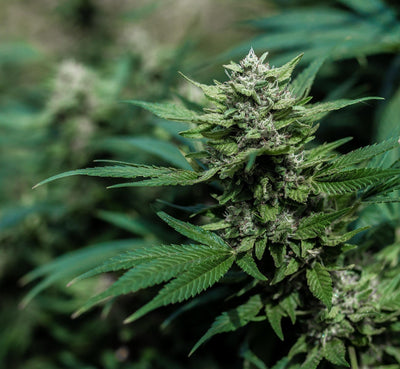
Photo by Kindel Media via Pexels.
Eight workers who sort, pack and handle finished flower at a Hagerstown, Maryland, cultivation facility have voted to join UFCW Local 27. Ganjapreneur reported the vote on November 12, 2026.
One clarification, since the headline invites it: District is the company's name, District Cannabis. The facility is in western Maryland, not Washington, DC.
Eight people is a tiny unit by any labor standard. That is what makes it worth watching, because it shows what the National Labor Relations Board's May 2026 ruling looks like once it reaches an actual shop floor.
Key takeaways
- Eight post-production, packaging and sorting workers at District Cannabis in Hagerstown, Maryland, voted to join UFCW Local 27.
- A May 2026 NLRB decision held cannabis cultivation and manufacturing employees are not agricultural workers, so they can unionize under federal law.
- Vote tally, certification status and any first-contract timeline were not available, so the story's long-term impact is still unclear.
What Happened at District Cannabis in Hagerstown
Workers at District Cannabis's Hagerstown cultivation facility voted to join United Food & Commercial Workers Union Local 27. Eight employees are involved. They work in post-production, packaging and sorting, the stretch of the operation between harvest and the box that ships to a dispensary.
Local 27 President Jason Chorpenning addressed the result in a press release. He said workers in the industry have faced barriers to organizing for too long. He called the vote another step forward for cannabis workers across Maryland and said the local is committed to helping more cultivation workers organize.
Several basics are still unconfirmed. The material available does not include the vote count or the date of the election. It also does not say whether the union has been formally certified, and I found no response from District Cannabis.
- Vote tally: not confirmed
- Election date: not confirmed
- Certification status: not confirmed
- Company comment: none found
Everything here rests on a single published report built around the union's own statement. The NLRB regional office or Local 27 can fill in the rest.
The NLRB Ruling That Cleared the Way
The legal groundwork came in May 2026. The NLRB held that cannabis cultivation and manufacturing employees can unionize because they are not agricultural workers. The board wrote that none of the workers employed in the classifications at issue are agricultural laborers under the secondary definition of agriculture.
That distinction carries weight because agricultural laborers are exempt from National Labor Relations Act coverage. A grow operation can look like farming, and an employer could argue its staff fall under that exemption. If they do, the NLRB's process and protections simply do not apply to them.
Coverage under the NLRA gives workers two practical things. One is a formal route to a union: a petition, a supervised secret-ballot election and, if the union wins, a legal duty for the employer to bargain. The other is protection against retaliation for organizing, meaning an employer cannot lawfully fire or discipline someone for trying to form a union.
Before publishing anything that cites the decision, check the case name, case number and exact decision date at nlrb.gov. The Ganjapreneur report ties the Hagerstown vote to the ruling, but the primary document is the one to cite.
Why Post-Production Workers Are Often the Organizing Front
Post-production is where cultivation turns into manufacturing-style work. Trimming, sorting and packaging are hands-on and repetitive. Workers handle harvested flower, sort it by grade or size, and pack it into containers for sale.
That kind of work is often organized around production quotas and shift schedules, which are common flashpoints in any labor drive. I have no information on pay, staffing or conditions at District, so none of that should be assumed here.
Unit size cuts both ways. A group of eight is easy to organize, since everyone can talk to everyone. It also gives the union limited leverage at the bargaining table. And it is not confirmed whether these eight are the facility's entire bargaining unit.
There is earlier context from Arizona. An older MJBizDaily report said Trulieve Magnolia cultivation workers in Phoenix voted 37-4 to join UFCW Local 99. That report is undated in my results and predates the May ruling, and it described those workers as agricultural. Treat it as background only, and check the date before leaning on it.
What Comes Next for Maryland's Cannabis Workforce
The next step is first-contract bargaining. Winning an election does not produce a contract, and nothing in the available reporting indicates when talks might begin or how they will go. Anyone claiming a timeline is guessing.
Chorpenning's stated aim of helping more cultivation workers organize points toward possible campaigns at other Maryland facilities. That is the union's intent, not a confirmed trend, and it will take actual petitions to show it.
Employers face a clearer landscape. After the May ruling, the argument that cultivation staff are exempt agricultural laborers looks much weaker. Operators who assumed that defense would hold may want to review how they handle organizing activity.
Labor law here is federal, under the NLRA. Cannabis licensing and workplace rules still vary by state, and Maryland's requirements will not match those elsewhere. Workers and employers with specific questions should consult labor counsel or the NLRB rather than relying on a news summary.
Eight workers is a small number, and the vote itself is not the real test. What counts is whether a first contract gets signed and whether other Maryland facilities see their own campaigns follow.
Keep an eye on the gaps: the vote count, the certification status and any statement from District Cannabis. Those details will show whether this process was smooth or contested, and that says more about what the NLRB ruling means in practice than the headline does.
Sources
- Workers at District Cannabis Cultivation Facility Vote to Join Union - Ganjapreneur
- Trulieve cannabis cultivation workers vote to unionize in Arizona
- PharmaCann Cannabis Cultivation Workers Vote to Unionize in Illinois
- Unionization Gains Ground in Connecticut's Cannabis Industry
- Workers at FRESH Cannabis’ Cultivation Site in New Jersey Vote to Unionize
- St. Louis ‘post-harvest’ cannabis workers win union election after two-year ballot battle - The Labor Tribune