Nepal's Shiva Cannabis Tradition Meets a Patchwork of Laws
Photo by Fares Nimri via Unsplash.
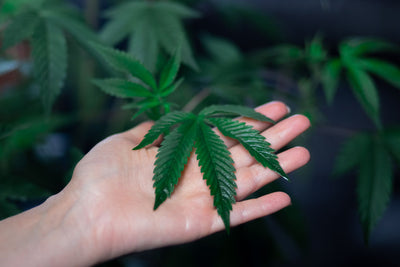
The scene, as reported in accounts of Shivaratri at Pashupatinath in Kathmandu, goes like this: sadhus with ash-smeared skin and matted hair sit in clusters near the temple grounds, smoke drifting over them, while pilgrims bring the plant as an offering to Shiva. The plant is formally illegal under Nepali law.
That gap is the story. Cannabis is woven into Nepali festival life, yet the national statute bans farming, possession and use. Now the first real movement on reform has come not from Kathmandu but from Gandaki Province, which has approved regulated cultivation for medicinal and industrial purposes.
A caution before going further. The details here come from secondary reporting, including AP coverage and local outlets, not from primary government documents or firsthand observation. Several dates conflict between sources, and laws change. Check current specifics against official records before relying on any of it.
Key takeaways
- Cannabis has long been tied to Shiva worship in the Kathmandu Valley, even though national law bans farming, possession and use.
- Gandaki Province passed a regulated medicinal and industrial cultivation bill, but federal law still prohibits most production, so the province cannot legalize alone.
- The 2020 effort was a parliamentary motion filed by Birodh Khatiwada and 47 lawmakers, and no federal measure is confirmed as passed.
Shiva, Sadhus and the Shivaratri Crowds

Photo by Mehmet Turgut Kirkgoz via Pexels.
In Hindu tradition, cannabis is closely associated with Shiva, and that link is the reason the plant shows up at Shivaratri. Pashupatinath, the Shiva temple in Kathmandu, is the focal point of the gatherings. Festival dates shift each year with the lunar calendar, and the temple area is overseen by the Pashupati Area Development Trust, so confirm both through the trust.
Reporting on the scene is consistent in broad strokes. The Independent has reported thousands of people smoking cannabis at Shivaratri in Kathmandu. I have not read that article, so treat its figures and date as unverified. AP, for its part, describes cannabis as native to Nepal and widely used during festivals.
Who is actually there? Sadhus, the ascetics who renounce ordinary household life and devote themselves to Shiva, are the most visible participants. Pilgrims and ordinary festival-goers make up the rest of the crowd. For the sadhus, the practice is part of devotion to the deity, not a lifestyle affectation, and it is better described that way than as exotic color.
The open question is policing. Reports of large-scale public smoking suggest officials do not stop everyone, but I found no sourced account of how police treat sadhus or festival-goers in practice. Assuming blanket tolerance would be a guess. Whether enforcement is relaxed, selective or simply unreported is something only local reporting or police statements can settle.
From Licensed Charas Trade to Prohibition
Nepal's hand-rolled charas, the resin rubbed from live plants, had a reputation abroad dating to at least the 1700s. It was a known product of the hills, not an underground curiosity. For generations, farmers grew the plant and merchants traded it under a recognized system.
That system ended in the 1970s, though sources differ on the date. Wikipedia reports that in 1973 Nepal canceled the licenses of all cannabis shops, dealers and farmers. AP says the country outlawed cannabis in the late 1970s. These accounts may describe different steps, license cancellation first and a fuller legal ban after, but I could not confirm that. Present them as differing accounts, not one settled fact.
A 1976 narcotics statute is sometimes cited in this context. My research did not confirm it, so treat it as something to verify through Nepal's legislative records instead of a established citation.
The irony is hard to miss. The prohibition did not arrive against a backdrop of an unregulated plant. It replaced a licensed, taxed-style commodity trade with shops, dealers and farmers on the books. Reform advocates today are, in a sense, asking Nepal to return to a model it once ran.
What the National Law Says Today
As AP describes it, national law bans cannabis farming, possession and use. There is no carve-out in the reporting for religious practice, and no sourced exemption for Pashupatinath or any other temple.
Penalties scale with the offense. Personal possession can mean up to a month in jail. Distribution and sales can bring up to 10 years, depending on the amount seized. Those are the figures AP reports; confirm them against the statute text, since I could not check the underlying law.
- Possession for personal use: up to one month in jail
- Distribution and sales: up to 10 years, depending on the amount seized
- Farming and use: banned under national law
How these provisions are applied during festivals is not documented in the sources I have, so I make no claim about it. What is documented is the gap itself. Reporting describes widespread ceremonial use around Shiva worship, and the statute prohibits the same plant. That tension is a recognized feature of the situation, one that advocates and officials describe differently, and this article does not try to adjudicate it.
The 2020 Motion and the Bills That Followed

Photo by MasterTux via Pixabay.
The common shorthand is a 2020 decriminalization bill. The record is more modest. In January 2020, Birodh Khatiwada and 47 other party lawmakers filed a motion in parliament calling for legalization. It was a motion, and it called for legalization, not merely decriminalization.
A further legalization bill followed in 2021, backed by the national health minister. Wikipedia also lists a page titled Legalising Cannabis Bill 2023. I did not open it, so flag it for checking before anyone treats it as a third distinct measure or a continuation of an earlier one.
Did any of these pass? I found no evidence that either the 2020 motion or the 2021 bill became law. Stalled is the reasonable reading, given that AP still reports a national ban. But that is an inference, not a finding, and no parliament source confirmed it for me.
Readers who need certainty should check two places:
- The Nepali parliament's records, for the current status of each measure.
- The Home Ministry, which handles narcotics enforcement and would be central to any change.
Gandaki Province Moves First
Gandaki Province's assembly passed a bill allowing regulated cannabis cultivation for medicinal and industrial purposes. Reports describe the vote as unanimous and the approval as the first of its kind at the provincial level in Nepal. Speaker Krishna Prasad Dhital said it passed at the 21st meeting of the 10th session.
The bill was tabled in November 2025. AP reports it took effect on a Monday after the Gandaki chief endorsed it, as confirmed by Prabin Poudyal, spokesman for the chief's office. Dates conflict, though: one outlet is dated July 9, 2026, while AP is dated August 5, 2026. Check a primary source.
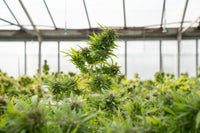
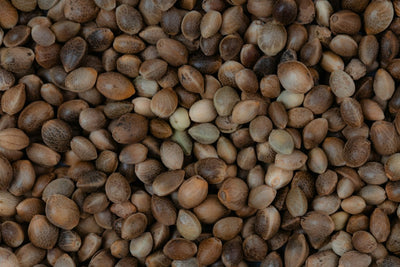
Farmers must get permission from the provincial authority and will be closely monitored. The bill also recognizes hemp as a commodity for food and other industrial uses.
Quality of drafting is a live issue. At a March 16, 2026 committee meeting, Dhakaram Bhandari, a chemistry and natural products researcher, said the bill must clearly distinguish THC and CBD levels. One outlet headlined its coverage calling the bill technically weak.
The limits are significant. Federal law still prohibits most production, so implementation needs coordination with the national government. The bill does not legalize cannabis nationwide.
A smaller experiment runs elsewhere. Ilam Municipality has a hemp-for-fiber pilot under a procedure published in the Gazette on November 25, 2025, with farmer proposals invited on March 11, 2026.
Gandaki changes the question. For years the debate was whether Nepal would reform at all; now it is who has the authority to. A federal challenge, or the publication of provincial licensing rules and fees, would show how far a province can actually go. I found nothing on either.
Note also what the reform covers. The framing is medicinal and industrial, with hemp for food and fiber. It does not directly address the ceremonial use at Shiva temples, which remains a matter of national law and, as far as the sources show, unresolved practice.
Laws and dates here are drawn from secondary reporting and may have moved since. Verify current provincial and federal specifics with official sources before acting on any of it.
Sources
- Nepal’s Gandaki Province Legalizes Medical Cannabis Farming and Use
- Nepal’s Gandaki province legalizes medical cannabis farming and use - The Washington Post
- Two subnational governments in Nepal on the path to legalizing cannabis cultivation
- Cannabis in Nepal
- Gandaki Becomes First Province in Nepal to Approve Medical, Industrial Marijuana Cultivation Bill
- Nepal Province Unanimously Approves Medical Cannabis Measure