Strains That Actually Deliver High Terpenes
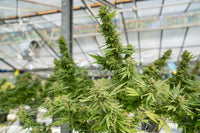
Photo by Colin redwood via Unsplash.
Terpene hunting has become the new baseline in serious cultivation. Growers across home, craft, and commercial operations are openly deprioritizing raw THC numbers in favor of genetics bred specifically for flavor expression and complex cannabinoid/terpene ratios. This shift is concrete: the 2026 Grower Intelligence Report surveyed over 300 active cultivators and found that terpene profile and bag appeal now outrank pure potency across every operation scale. Strains like White Widow, Blue Dream, and OG Kush continue to dominate demand, while flavor-forward categories—Fruity (39.38% of planned 2026 grows), Cookies (14.75%), and Kush (8.12%)—show exactly where breeders and growers are placing their bets.
Consumers demonstrably pay premiums for distinctive terpene profiles. A concentrate with a recognizable flavor signature and consistent chemical profile commands higher prices than an undifferentiated high-THC product. This economic reality has rewritten breeding priorities. But here's the critical detail: terpene content swings wildly between batches, environments, and individual plants. A Blue Zushi specimen hitting 2.9% total terpenes under ideal conditions might test at lower levels under mediocre lighting or late-stage nutrient stress. That's why the strains with the strongest lab documentation—Blue Zushi, GMO, Jack Herer—matter far more than chasing a mythical single highest-terpene cultivar that doesn't actually exist across all conditions.
Why Growers Are Betting On Terpene-Forward Genetics Now

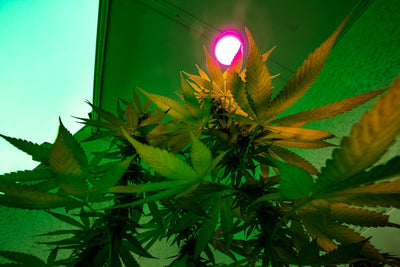
Photo via Pexels.
The data from 2026 shows a sharp generational shift in grower priorities. White Widow, Blue Dream, and OG Kush dominate cultivar selection not because they're the absolute highest in any single cannabinoid, but because they deliver consistent, distinctive flavor profiles that extract well and move product. The Fruity strain family category alone captures nearly 40% of planned grows for 2026—a number that would have seemed almost absurd five years ago when pure THC percentage was the singular obsession.
What's driving this? Consumer preference is half of it. High-THC flower with thin, generic terpene profiles has flooded the market. A high-THC strain with minimal terpene expression feels flat, tastes like hay, and doesn't command premium pricing. A 22% THC strain with a distinctive, documented terpene profile—genuine citrus and fuel notes, or candy and grape undertones—does something the high-THC commodity doesn't: it tells a story in the consumer's mouth and drives repeat purchases. Retailers and concentrate manufacturers know this intimately.
The commercial logic runs deeper into extraction. Candy Hustle, a newer cultivar, achieves notable solventless extract returns—meaning the rosin yield relative to starting material is exceptional. That's not pure THC or CBD efficiency; that's terpene content directly multiplying your concentrate weight and marketability. A high-THC strain with minimal terpenes will yield less and less interesting rosin than a 22% THC strain with robust terpene expression. The grower who understands this math selects genetics accordingly. The 2026 Grower Intelligence Report captured this preference shift in real-time: terpene expression and flavor now outpriority raw cannabinoid numbers across home, craft, and commercial operations without exception.
Terpene content also influences the entire downstream market. A distinctive profile doesn't just move flower—it creates a repeatable consumer expectation. People ask for Jack Herer by name, not by THC percentage. They hunt for Blue Zushi specifically because they remember the sour citrus and candy gas. That brand loyalty around flavor, not potency, is what converts casual consumers into loyal buyers and allows growers to command premium prices year after year.
The Strains Hitting 2.5–3% Total Terpenes in Real Labs

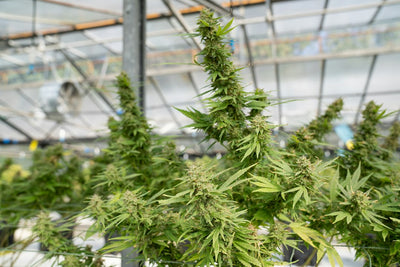
Photo via Unsplash.
Blue Zushi stands out as perhaps the current terpene benchmark. It's a cross of Zkittlez and Kush Mints, and lab results consistently place it between 2.3% and 2.9% total terpenes—reliably in the upper tier of any tested population. The dominant notes are limonene and caryophyllene, creating that distinctive sour citrus top with a candy-gas undertone that the market recognizes instantly. More importantly, multiple independent labs have documented this range across different grow operations, which means the genetics themselves are reliably expressive, not a one-off anomaly.
Super Lemon Haze and Sour Diesel have both been documented hitting 3% terpene content in laboratory analyses, representing the realistic upper boundary of what cannabis genetics can consistently achieve. These are not theoretical ceiling values—they're actual test results from multiple cultivation facilities. However, hitting that 3% mark requires precision: optimal lighting (130–150 PPFD in flower), VPD management between 0.8–1.2 kPa, and harvest timing locked into a narrow window before terpene degradation accelerates.
GMO (also called Garlic Cookies, a Chemdog × Girl Scout Cookies cross) deserves specific attention as 2026's data champion for consistency. Where Blue Zushi can fluctuate between 2.3–2.9%, GMO delivers exceptional batch-to-batch uniformity in its terpene expression. Caryophyllene and myrcene lead its profile, creating that distinctive fuel and garlic note that consumers either love immediately or skip entirely. What growers value about GMO is exactly that consistency: you can grow it in your facility, send samples to the lab, and expect results within a narrow range of the last batch you ran. For commercial operations planning inventory and managing customer expectations, that predictability is worth far more than chasing a theoretically higher peak.
The reality growers must internalize is that terpene percentages are not fixed values stamped on a strain's genetics. They fluctuate based on growing conditions, environmental stress, nutrient regimen, light spectrum, and harvest timing. A Blue Zushi plant hitting 2.9% under 600 µmol PPFD, perfect VPD, and optimal nutrient delivery might yield significantly lower terpene content if grown under 400 µmol PPFD with fluctuating humidity and inconsistent feeding. The genetics are the blueprint, but the cultivation conditions write the final number. This is why documented strains matter more than chasing rumors of undocumented cultivars allegedly hitting exceptional terpene levels somewhere in a private facility.
Terpinolene Champions: Jack Herer and the Creative-Effect Genetics
Terpinolene is a genuinely rare dominant terpene in cannabis. It appears as the primary terpene in roughly 10% of all cannabis strains in circulation. Most growers and consumers never encounter a terpinolene-forward strain in their entire cultivation experience because the genetics are genuinely scarce. That scarcity drives demand. Terpinolene itself produces uplifting, creative effects—energetic, often with piney and herbal notes—and cultivators specifically hunting for those effects have limited legitimate options beyond a small handful of strains with established terpinolene dominance.
Jack Herer is the undisputed benchmark. It holds some of the highest terpinolene concentrations available in any cannabis strain and is widely considered the most iconic terpinolene-dominant cultivar in the market. If you're sourcing for terpinolene expression, Jack Herer is the strain every grower has tested, every extract lab has analyzed, and every consumer who's encountered it remembers. That track record matters because you know roughly what to expect.
Beyond Jack Herer, the documented terpinolene-dominant strains include Ghost Train Haze, Golden Pineapple, Super Lemon Haze, Lilac Diesel, Clementine, Dutch Treat, Golden Goat, XJ-13, and Orange Cookies. Each brings some variation in secondary terpenes and effects, but they all share that terpinolene backbone. Durban Poison, a South African landrace, represents something particularly interesting: it was cited in 2026 survey data as having strong terpinolene content, demonstrating how regional landraces sometimes preserve these profiles more reliably than modern hybrids.
The practical implication is that if terpinolene-dominant effects are your target—uplifting, creative, energetic—your options are genuinely limited to these established strains. There's no innovation happening on the bleeding edge here; the market hasn't cracked a radically new high-terpinolene strain in years because the genetics are proving stubbornly conservative with terpinolene expression. Starting with Jack Herer or Ghost Train Haze isn't settling for a compromised option; it's selecting the actual best available genetics that have decades of cultivation data behind them. Secondary breeding around these genetics is happening, but the primary terpinolene expression remains most reliable in the originals.
Building a Terpene-Focused Garden: Practical Strain Selection
Practical strain selection for a terpene-focused garden begins with matching your harvest target to established genetics. If your end market or personal preference trends toward calming and anxiolytic effects, linalool is the terpene you're hunting. Lavender strain and Pink Rozay both document significant linalool content. But the newer Candy Hustle release (2026) is worth noting specifically for its distinctive gassy candy notes layered with grape and menthol undertones, plus the purple coloration that adds visual bag appeal. More importantly, Candy Hustle achieves strong solventless extract yields, which means if you're running a solventless concentrate operation, the margin on this cultivar can be materially different than on lower-terpene genetics.
Extract method should drive strain selection. If you're producing hydrocarbon or ethanol extracts, terpene percentage still matters, but the extraction process itself introduces variables that reduce the final terpene signature compared to solventless methods. If solventless rosin is your target, terpene content becomes nearly everything—you want Blue Zushi, Candy Hustle, or GMO because the rosin quality directly correlates to the starting material's terpene profile. That economic alignment between genetics, extraction method, and final product quality is where serious growers build sustainable margins.
Start with documented strains rather than new or untested cultivars if terpene consistency is non-negotiable. Blue Zushi, GMO, and Jack Herer have hundreds of grow reports and multiple lab analyses across different facilities. New strains marketed with incredible terpene profiles often lack that track record. You're making an educated bet with established genetics, not a speculation on an unproven line. Build your canopy with 2–3 proven terpene-forward strains rather than rotating every new release through your space.
Acknowledge that your own environment will shift numbers by meaningful amounts in either direction depending on your light intensity, humidity management, nutrient precision, and harvest timing. Late harvest timing—pushing into the 63–70 day window rather than 56–60—typically increases terpene content measurably because terpenes continue accumulating as cannabinoids plateau. But late harvest also increases cannabinoid degradation risk, so you're optimizing within constraints, not chasing unbounded gains. Know what your setup reasonably achieves and select strains that will express well under those actual conditions rather than theoretical ideal ones.
The market shift away from pure THC breeding toward terpene-rich cultivars is not a trend or a fad—it reflects a real, measurable economic reality. Growers and consumers both value distinctive flavor, recognizable effect profiles, and complex chemistry over undifferentiated potency numbers. A strain with significant documented terpenes, a repeatable flavor signature, and strong batch consistency commands higher prices and faster turnover than an undifferentiated high-potency strain with minimal terpene expression. The economics are non-negotiable.
Your odds of achieving your target terpene profile improve dramatically when you work with genetics that have documented lab histories behind them. Blue Zushi at consistent terpene levels, GMO's batch-to-batch consistency, Jack Herer's terpinolene dominance—these aren't guarantees, but they're far better odds than betting on untested genetics or hearsay about some legendary cultivar hitting exceptional terpene levels under perfect conditions no one can actually replicate. You're buying probability, not certainty. Choose the proven strains and manage your environment to let those genetics express.
The practical move now is assembling a canopy strategy: 2–3 proven terpene-forward strains tailored to your extraction method or target market demand, rather than rotating endlessly or hunting the mythical single highest-terpene cultivar that doesn't exist consistently across conditions. Seedtiva and other quality seed sources have made sourcing genuine, well-bred genetics straightforward—the constraint now is execution, not access. Dial in your lighting, manage VPD and humidity precisely, time your harvest for terpene expression rather than peak cannabinoid accumulation, and let documented genetics do what they're bred to do. That's where the real premiums live.
Sources
- Best Cannabis Strains of 2026: Flavor, Terpenes & Trends
- High-Terpene Strains: Top 15 Most Flavorful & Aromatic Buds
- 16 High-THC Strains for 2026 - Cannabis Seeds | Humboldt Seed Company
- The Top 10 Cannabis Strains of 2026 – THCa By Mail
- The 25 Best Cannabis Strains of 2026: Data-Driven Rankings by Effect, Potency, and Terpene Profile | Green Rush