Wisconsin Marijuana Legalization Under a Democratic Legislature
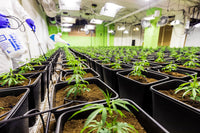
Photo by TeeFarm via Pixabay.
Wisconsin sits next to Illinois, Michigan and Minnesota, three states with legal adult-use cannabis, and still has nothing on its own books. Democratic lawmakers have introduced legalization bills for years. Most of them never got a hearing.
The news driving this story is a possible shift in who controls the legislature, which means a shift in who controls the committee calendar. That is a different thing from a guaranteed path to legal sales, and the gap between the two is where this article lives.
One thing first: nothing changes for consumers today. Possession is still a crime in Wisconsin. Any claim that Democrats now control a chamber should be checked against final results from the Wisconsin Elections Commission, because this piece leans on the original reporting for that premise.
Key takeaways
- Wisconsin has no recreational program and no broad medical program, so cannabis remains illegal there until lawmakers change the statute.
- Wisconsin has no citizen ballot initiative, so legalization would have to pass through the legislature and the governor's desk.
- Control of a chamber matters because Republican-led committees have historically declined to hold hearings on Democratic cannabis bills.
Why control of the committee room matters
In Wisconsin, the fight over cannabis has mostly been a fight over whether a bill gets heard at all. Democratic proposals have typically been introduced and then left sitting. No public hearing meant no committee vote, and no committee vote meant nothing ever reached the floor.
That is how majorities work. The party in charge picks which bills get hearings, which get votes and which quietly die in committee. A new majority could put cannabis on a hearing schedule for the first time in a meaningful way.
Two cautions apply. First, the claim that a chamber has flipped comes from the source reporting, and official results from the Wisconsin Elections Commission need to be confirmed before anyone treats it as settled. Close legislative races can shift in recounts and canvasses.
Second, holding one chamber is not holding both. A split legislature could still block a bill, with the other chamber simply declining to take it up. A majority makes a hearing possible. It does not make one certain, and it certainly does not make passage certain.
Where Wisconsin stands today
Wisconsin has no legal adult-use market and no broad medical cannabis program. That puts it in an increasingly lonely spot among its neighbors.
- Illinois has a legal adult-use market.
- Michigan has a legal adult-use market.
- Minnesota's adult-use law took effect in August 2023.
Residents can cross a state line and buy legally, which is the core of the revenue argument. Supporters say Wisconsin is handing sales and tax dollars to its neighbors while still spending enforcement resources at home. That argument is easy to make, but legislators still weigh it against public safety and local control concerns before any vote.
None of this alters the law in Wisconsin. Possession remains a crime here, and carrying cannabis back across the border does not make it legal. Enforcement practice can also differ by county and city, so confirm current Wisconsin law and local policy before assuming anything about risk.
The governor's desk is the second gate
A bill that clears both chambers still has to be signed. That makes the governor's race as important as the legislative results, and arguably more so for anyone hoping to see a law actually take effect.
Gov. Tony Evers announced he would not seek a third term, so the winner is a new face. Who that person is, and where they stand on cannabis, should be verified against official results and their own statements before anyone writes the signature off as a given.
The legislative math matters just as much. If Republicans keep a chamber, they keep a veto point over any Democratic bill, even with a friendly governor. Republican leaders such as Senate Majority Leader Devin LeMahieu and Assembly Speaker Robin Vos have not backed legalization in the past, and their current positions need confirming after this election.
So no single seat count settles the question. The outcome depends on the combination: which party holds each chamber, who sits in the governor's office, and whether any Republicans are willing to deal.
No ballot initiative, so lawmakers decide
Wisconsin has no statewide citizen initiative. In states where voters legalized cannabis directly at the ballot box, that route skipped the legislature entirely. Wisconsin residents do not have it, so lawmakers decide.
Voters have still found ways to speak. Nonbinding advisory referendums in several counties and municipalities have been the main way residents have signaled support. They carry political weight but no legal force.
Passing a bill is only the start of the design work. The legislature would have to build the program from scratch:
- a licensing structure
- tax rates
- local opt-out rules for towns and counties
- a regulator to run it all
Expungement and the treatment of past convictions would likely be central to negotiations, and could split coalitions on both sides. Minnesota offers a regional precedent. Its 2023 law came through the legislature rather than a ballot measure, after a change in political control opened the door. Wisconsin would be following a similar path, with its own divided politics.
What to watch before any sales begin
Timing is the first constraint. The new legislature would be seated in January 2027, so any bill would likely move during that session at the earliest, and only after results are confirmed.
Practical signals to track on the Wisconsin legislature's website:
- New bill numbers and their listed sponsors.
- Hearing notices from the relevant committees.
- Any statements from the new majority leaders about scheduling.
Outcomes could range widely. A medical-only program is a realistic compromise, and a full adult-use framework is possible, but neither is guaranteed. Lawmakers who oppose full legalization might still consider a narrower bill, though that would depend on who is in the room.
Even after passage, retail would not open overnight. Licensing and rulemaking take months, and Minnesota's experience shows how long a new market can take to get going after the law is signed. Until a bill is signed and takes effect, cannabis stays illegal in Wisconsin.
The real test is whether a new majority calls a hearing at all. That is the step Wisconsin's cannabis bills have never cleared, and it is the first thing to look for once the legislature is seated.
Sitting between three legal-market neighbors makes the revenue argument harder to dismiss. It still does not replace votes in both chambers and a governor's signature, and every one of those pieces has to line up.
Sources
- Wisconsin
- Rep. Darrin Madison Calls for Just Cannabis Legalization ...
- Wisconsin Could Legalize Marijuana Under New Democratic Control Of The State Legislature - Marijuana Moment
- Wisconsin Democratic Governor Candidates Promise To Advance Marijuana Legalization And Protect Hemp In 2027 - Marijuana Moment
- Wisconsin Is Ready To Legalize Marijuana Next Year Under Democratic Or GOP Control, Congressman Says - Marijuana Moment
- Cannabis in Wisconsin