Legacy Growing: What We Lost and What to Revive
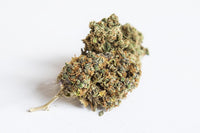
Photo by pixundfertig via Pixabay.
Late in the season, a hillside garden, first light burning the fog off the ridge. A grower walks the rows slowly, stopping at each plant. Is it finishing ahead of the rain? Do the calyxes feel tight or loose? Is there gray rot hiding deep in the main cola? Some plants get a strip of flagging tape. Those are the seed mothers for next year.
That kind of reading, daily, physical and tied to one piece of ground, is what's fading. Legacy growing was a body of working knowledge, not a mood or a marketing label. Some of it deserves to be reclaimed. Some of it should stay buried, and I'll say which is which.
One note on scope: this is a craft-knowledge piece built on established horticulture, not a market report. I won't cite farm counts or sales figures. Results will depend on your climate, your setup and your genetics.
Key takeaways
- Seed selection by region, not just by potency, was the legacy grower's biggest edge and the first thing commercial breeding dropped.
- Living soil, dry farming and slow curing still hold up against modern methods and cost little to adopt.
- Not everything old deserves a revival: unregulated pesticide use, untested product and mold-prone drying are better left behind.
What Legacy Growing Actually Meant
Legacy growers learned before legal frameworks existed. They worked outdoors on remote ground or in small, hidden indoor rooms, and they learned from other people: a neighbor, an older cousin, a friend who had already ruined a few harvests. Nothing was written down in any reliable way.
The conditions shaped the craft. Inputs were limited, plant counts were small, and nobody had a lab report to tell them what they had. Every plant had to earn its space, so growers paid close attention to each one.
Out of that necessity came a recognizable skill set:
- Reading plants daily for stress, hunger and pests before problems spread
- Selecting seed from the best performers, year after year
- Building soil rather than renting fertility from a bottle
- Hand trimming and slow curing to protect what the plant produced
Nostalgia is not the argument here. The argument is that these practices solved real horticultural problems, and many of them still do. A grower who can spot a nitrogen lockout by leaf posture, three days before the tips yellow, has an advantage no controller replaces.
This article draws on established cultivation practice. It makes no claims about specific market figures or farm counts, because the craft question stands apart from the market one.
The Genetics Problem: Regional Selection Gets Diluted
Landrace and heirloom lines, the Afghan and other regional types, were shaped by place. Over many generations they adapted to specific latitudes, altitudes and season lengths. A type from high, dry country tends to finish early and stay compact. A type from near the equator wants a long season and stretches hard.
Modern breeding mostly chases other targets: THC percentage, bag appeal and uniform performance under indoor lights. That's a legitimate goal, but it narrows the gene pool and trades away resilience. Plants bred for a tent are rarely tested against wind, cold nights or a wet October.
Legacy growers did the opposite. They grew out large populations from open-pollinated seed, culled weak or mold-prone plants without sentiment, and kept the ones that finished before autumn rain. Repeat that for ten seasons and you have a line that fits its hillside.
The practical loss is obvious to anyone who has put a finicky modern hybrid outdoors. It sulks, molds or finishes three weeks late, because nobody ever selected it under outdoor stress.
Here is how to start reclaiming that selection:
- Look for lines with documented parentage, not just a catchy name.
- Run a small phenohunt with a handful of seeds.
- Keep notes on finish date, mold resistance and vigor for every plant.
Seedtiva offers well-bred genetics suited to growers who want to select for their own site, and a phenohunt like this is exactly where they pay off.
Living Soil and Dry Farming: Methods That Still Win

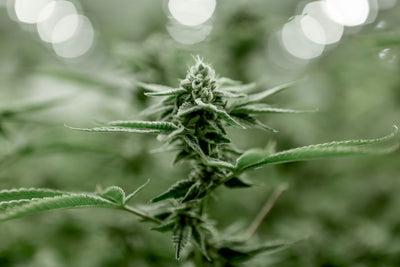
Photo by Dino via Pexels.
Legacy growers treated soil as a long-term asset. They fed it with compost, aged amendments, cover crops and mulch, and they cared about the living community inside it rather than bottled salts alone. The soil was the fertilizer program.
Amended living soil buffers swings in pH and nutrient availability. That makes it forgiving for growers who don't have perfect monitoring, which describes most of us on a busy week. A missed feeding or a hard rain rarely turns into a crisis.
Dry farming is the other half, and it suits dry-summer climates with soil that holds water at depth. The principles are simple: water deeply at transplant, get plants in the ground early, mulch heavily, then cut irrigation back so roots chase moisture downward. It does not suit every soil or region. Sandy ground or a hot, windy site may punish it.
Be honest about the tradeoffs. Dry-farmed plants run smaller and yield less per plant than heavily irrigated ones. In return you get far better water efficiency and, often, more concentrated aroma.
These starting points vary by site, so adjust them:
- Large outdoor plants: roughly 100 to 300 gallons of soil volume in the ground or in big containers
- Mulch: several inches deep, typically 3 to 6, kept off the stem
- Cover crop: sown in autumn and chopped in before spring planting
Don't convert the whole garden at once. Change one bed or a few containers, watch it through a full season, and compare it against what you already do.
Hand Trimming, Slow Drying and the Cure
Post-harvest handling is where legacy craft shows most. A slow dry around 60 degrees F and 60 percent relative humidity, for a week or two, preserves terpenes that a fast, warm dry evaporates. Aroma is volatile. Heat and speed are how you lose it.
The traditional method is hang drying whole plants or large branches. The stems and surrounding leaf act as a moisture reservoir, so the buds lose water gradually instead of crusting on the outside while staying wet within. That slow gradient is the whole point.
The cure comes next. Once stems snap rather than bend, move the buds into sealed jars or containers. Open them often early on, a few times a day in the first week, then less. Aim for a stable 58 to 62 percent humidity inside over several weeks, and the harshness fades while the flavor rounds out.
Hand trimming earns its place selectively. It means less rough tumbling of trichome heads, which matters on top-shelf flower. Machine trimming is fine for volume, and it shouldn't be treated as a moral failing. Plenty of good cannabis goes through a tumbler.
A warning, though. Slow drying done badly invites botrytis. Dense buds in a damp, still room will rot from the inside. Keep air moving without blasting the flowers directly, check buds daily, and use a hygrometer rather than a hunch. This is a revival with guardrails.
What Should Stay in the Past
Legacy does not mean leaving safety behind. Untested product, unlabeled pesticide residues and unregulated fertilizers were common risks of the era, not virtues. Nobody should romanticize smoking something with unknown mold or a mystery spray on it.
Lab testing for potency, pesticides and mold is a genuine improvement. Home and craft growers can still use it where it's available, especially when trying a new cure method or a questionable harvest. A mold test costs far less than a ruined lung.
Secrecy cost the culture too. Knowledge was hoarded, strains were mislabeled, and lineage claims were often impossible to verify. Many growers spent years rediscovering lessons someone nearby already knew, and a lot of genetics were lost because nobody wrote down where they came from.
The line is easy to draw. The habits worth keeping are observation, patience and selection. The habits to drop are guesswork and shortcuts with chemicals.
Nostalgia also has limits. Some legacy-era yields and consistency were modest, and that was a cost, not a charm. Modern tools like soil moisture meters and climate monitoring add real value without removing the craft. A grower who reads the plant and checks the meter is working better than one who does only either.
A Practical Way to Bring It Back in Your Own Garden

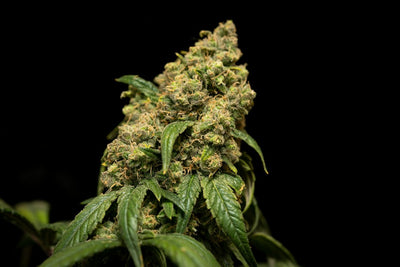
Photo by 2H Media via Unsplash.
Here is a plan you can run next season:
- Pick a regionally suited line, one that matches your season length and rainfall.
- Start seeds in spring, on time for your latitude.
- Build soil in advance, ideally a few weeks before transplant.
- Keep notes every week, even short ones.
- Select and save what works.
Then run a one-season experiment. Grow one plant the legacy way, with living soil, minimal inputs and a slow cure, beside one grown your usual way. Same genetics, same light, as close as you can manage.
Record the same things for both:
- Finish date
- Mold or pest pressure
- Water use
- Aroma at cure
- Smoke quality after 4 weeks
On seed saving, check your local law first, and remember it only works if the plants are stable. Start with careful selection of what you grow before attempting your own crosses. Crossing unstable parents mostly produces chaos.
Be honest about expectations. Outcomes vary with climate, soil and genetics, and a first season is for learning. If the legacy plant comes in smaller but smells better, that's useful data, not a failure.
Legacy growing is best understood as a set of questions asked over many seasons. Which plant finished first? Which one resisted rot? What did the soil do when the rain came late? A grower who keeps asking them keeps the craft alive, whether they run six plants on a balcony or a whole hillside.
The most valuable thing to preserve is not a single strain name. Names drift and get mislabeled anyway. What's worth carrying forward is the habit of selecting, noting and adapting to your own ground, one season stacked on the next.
Sources
- Washington state has too much pot as recreational cannabis sales decline
- New Docu-Series Puts Humboldt’s Legacy Growers Front and Center - Redheaded Blackbelt
- California’s Small Cannabis Farmers Have Been Left High and Dry
- The Death of a Fifth-Generation Vermont Farm
- Hemp's Regulatory Reckoning: What Lawmakers Still Don't Understand
- The Legacy Knowledge Drain: Why Corporate Cannabis is a Dying System