Sexing a Single Cannabis Plant in a 2x2 Tent
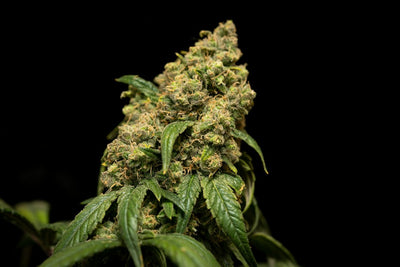
Photo by XRP Relic via Unsplash.
A 2x2 tent has room for one plant. If that plant turns out to be male, you find out weeks into the run, with nothing else growing to take its place.
That changes how you should think about sexing. It stops being a skill you apply at the first pre-flower and becomes a risk-management problem, and the best fixes are made before the seed goes into the cup: feminized genetics, and a backup in the form of a second seedling or a cutting.
This walkthrough covers what to buy, when to start looking, what you are actually looking at under a loupe, and what to do when something goes wrong. Outcomes vary with genetics, climate and setup, so treat the numbers here as typical ranges rather than promises.
Key takeaways
- In a one-plant tent, a male means a lost run, so the real decision happens at seed selection, not at sexing.
- Check the nodes closely for pre-flowers: pistils mean female, small round pollen sacs mean male.
- Keep a clone in veg or a spare seedling as insurance, and inspect weekly for hermaphrodite signs.
Why One Plant Changes the Sexing Problem
A 2x2 tent gives you about 4 square feet of floor. That suits a single well-trained plant, and it leaves no spare plant to absorb a bad result. In a bigger space, a male among six plants is an annoyance. Here it is the whole crop.
Cannabis is dioecious, which means plants are normally either male or female, and only females produce the flowers you are growing for. Males make pollen sacs, not buds. A male in your tent will not ruin the grow by itself, but it will never give you anything worth smoking, and its pollen can seed any female nearby.
With regular seeds, expect roughly half to turn out male. That is fine when you have a dozen slots and plan to cull. It is a poor bet when you have exactly one. If you plant a single regular seed, you are flipping a coin on weeks of work.
Consider what a late discovery costs:
- The weeks of vegetative growth, which cannot be recovered
- The seed itself, plus any nutrients and electricity spent
- The restart, since you begin again from germination
Before you plan anything, check your local home-grow rules. Plant limits and legal requirements vary by state and country and have changed often, so confirm them on your official state or regulator website rather than relying on a forum post. Knowing the limit also tells you whether a second plant in a separate space is even allowed.
Stack the Odds: Feminized Seeds and a Backup Plan
Feminized seeds are the standard answer for a one-plant tent because they remove most of the male risk. If you are running a single slot, there is little reason to gamble on regular seed.
Feminized does not mean hermaphrodite-proof, though. Stability depends on the quality of the genetics and on the conditions you grow them in. A poorly bred feminized line can throw nanners under mild stress, while a well-bred one tolerates a lot more abuse.
That is why breeder quality counts for so much here. With one shot, you cannot offset a weak line by culling the bad phenotypes. Seedtiva offers quality genetics suited to exactly this situation, and well-bred seeds from any reputable breeder are the right place to spend your money.
Beyond the seed itself, you have three ways to build in a safety net:
- Start two seedlings. Cull down to the stronger one once you have confirmed sex, or at least judged vigor. It costs one extra seed and a few weeks of a second cup.
- Take an early cutting. Clone your plant and keep the cutting in a small veg space as insurance. If the mother shows male or hermaphrodite traits, you still have genetics to work with, though a cutting from a hermaphroditic plant will carry that tendency. This needs extra light and space, even if only a small shelf.
- Use DNA sex testing. Some services will confirm sex from a small leaf sample, long before pre-flowers appear. Check current pricing and turnaround before relying on one, since a slow result defeats the purpose.
For most home growers, feminized seed plus a second seedling is the cheapest, simplest combination.
When and Where to Look for Pre-Flowers
Pre-flowers show up at the nodes, the points where a branch meets the main stem. They typically appear a few weeks into the plant's life from seed, often before you have touched the light schedule at all.
Many growers see them within roughly one to two weeks of flipping to 12/12. Timing varies with genetics and conditions, so do not panic if nothing shows by day ten.
Check the upper nodes first, then work down. Look at the spot between the stem and the petiole, where the small stipules sit, because that is where the first signs appear.
Good tools make a real difference:
- A jeweler's loupe, or a 30x to 60x clip-on magnifier for your phone
- A neutral white light for inspection, not the purple glow some LED fixtures give off, which can hide or distort what you see
- Your phone camera, to photograph the same node every couple of days and compare
Comparing photos helps because early structures change slowly. A node that looks ambiguous on Tuesday often looks obvious by Friday.
You also face a timing decision. You can flip early to force the plant to reveal its sex, accepting a smaller final plant. Or you can let it reach target size first, then flip. In a 2x2 with a low ceiling, flipping a little early is often the sensible choice anyway, since plants stretch considerably after the switch. If you are running a backup, flipping early also tells you sooner whether you need it.
Reading the Signs: Female, Male, or Hermaphrodite

Photo by 12222786 via Pixabay.
Once you have a clear view, the signs are distinct. The table below sets them side by side.
| Feature | Female sign | Male sign |
|---|---|---|
| Structure | Small calyx, often teardrop-shaped | Clusters of small round sacs on short stalks |
| Key identifier | A pair of wispy white hairs (pistils) | Ball-like pollen sacs, banana-like as they mature |
| Placement | At the node, close to the stem | At the node, hanging on small stalks |
A hermaphrodite shows both. The telltale sign is nanners, banana-like stamens that appear inside buds or at the nodes of a plant that otherwise looks female.
If you find a male, remove it right away. Pollen spreads easily, and in a small tent it will reach everything. With one plant, this is the moment your backup plan takes over, whether that is a second seedling or a cutting kept in veg.
If you are unsure, wait. Young plants can look ambiguous, and an early calyx without visible hairs can fool you. Wait a few days, recheck the same node, and compare photos. Culling on a hunch is worse than waiting, because you may throw away the only female you have.
Keeping a Lone Female Stable in a Tight Tent
Once you have a confirmed female, the aim is to keep her that way. Stress is the main trigger for hermaphroditism, and the usual causes are light leaks during dark hours, heat spikes, root problems and rough training.
In a 2x2, lights sit close to the canopy, so watch canopy temperature and keep it in a comfortable range instead of chasing maximum light intensity. A slightly dimmer light that keeps the plant calm usually beats a hotter one that pushes it.
Seal light leaks at zippers and vents, and avoid opening the tent during lights-off. Even a brief flash can disrupt the cycle on a sensitive plant. Train gently, and give roots a stable environment with consistent watering.
From week 3 of flower onward, inspect weekly for nanners. If you find a few, pick them off carefully and bag them before they open, since a handful is not always fatal to a harvest. Check the whole plant, including lower branches.
If the plant is heavily pollinating itself, the buds will seed. Decide whether to salvage or restart based on how widespread it is. A few seeds in a large harvest may be acceptable, while seeds throughout every bud usually mean the run is not worth finishing.
Outcomes vary by genetics, climate and setup, and no method guarantees zero hermies. What you can do is lower the odds and be ready to react quickly.
The best sexing strategy for a one-plant tent is decided before you germinate. Feminized genetics and a built-in backup will do more for you than any amount of skill at spotting pre-flowers.
Treat the first sign of sex as information for your next run. Note which genetics held stable, what your tent conditions were, and where the stress points were. Over a few runs, that record becomes more useful than any general advice, because it describes your tent, your climate and your seeds.
Sources
- Sexing Cannabis Plants in the Vegetative Stage: 4 Ways To Do It
- Male vs Female Weed Plants: How to Tell the Difference
- Male, Female or Hermie? Sexing Your Cannabis Plant
- Sexing Cannabis Plants
- How to identify male vs female cannabis plants (with pictures and tips for hermaphrodites)
- How to Sex a Pot Plant: Identifying Males and Females - Biology Insights